Meaning
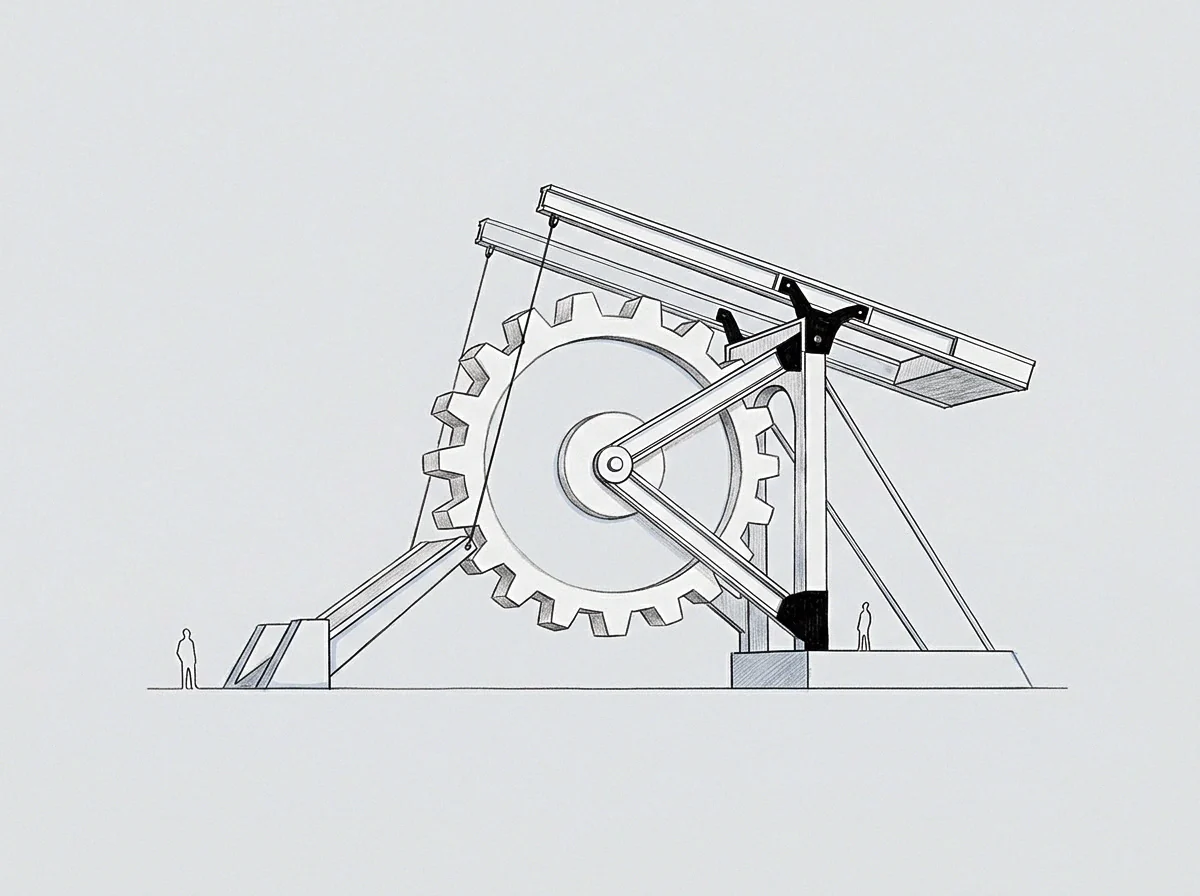
Non-performing capital allocations on an equity statement create a continuous reduction in capital efficiency. A balance sheet drag occurs when legacy assets or unamortized expenditures absorb reserves without producing proportional cash yields. The term applies to tangible assets that yield below benchmark hurdle rates and intangible capital locked in non-earning subsidiaries.
This condition restricts operational flexibility and reduces liquidity available for new strategic deployments across fiscal periods. The boundary of the concept excludes direct operational losses stemming from active trade activities.
Capital Retention
Retention of underperforming equity positions degrades net internal rate of return across multi-year holding periods. Maintaining a persistent balance sheet drag consumes carrying fees and tax overhead over extended timeframes. Equity tied to non-productive reserves lowers total capital productivity, forcing leadership to seek secondary debt funding to cover short-term operational needs.
Yield Gradient
The ordinal gradient of asset productivity drops as non-yielding capital increases relative to active treasury funds. When balance sheet drag expands beyond baseline thresholds, the ratio of cash flow to total assets declines sharply. The gap between theoretical enterprise valuation and deployable cash reserves widens as equity remains stuck in legacy accounts.
Resolution Barrier
Removing encumbered accounts requires formal write downs or asset liquidations that recognize accrued capital losses on official financial disclosures. Corporate entities facing balance sheet drag often delay write downs to prevent immediate equity adjustments. Resolution occurs when capital shifts directly into yield-bearing accounts.