Meaning
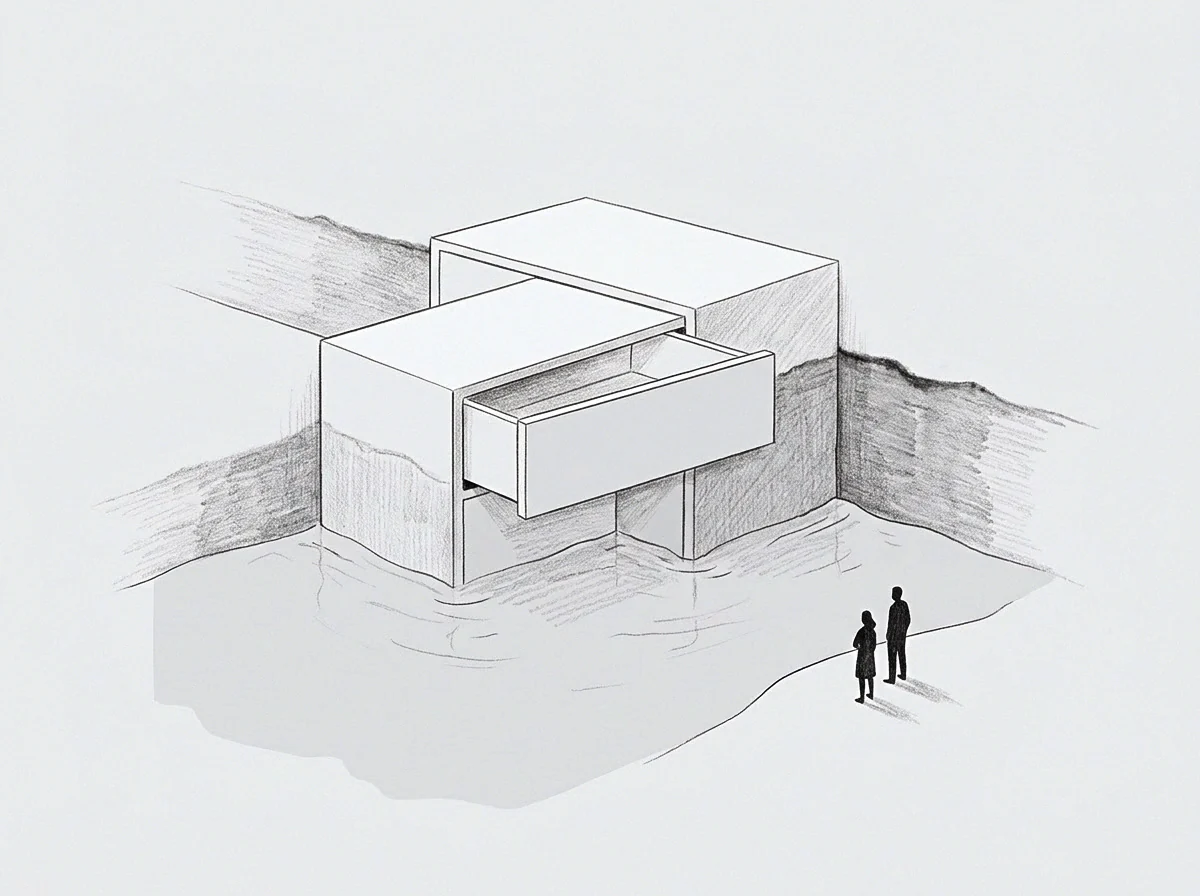
Structural point of contact describes the zone where distinct operational systems or organizational units exchange information and assets. Every boundary interface functions as a filter that determines the rate and quality of transfer between two domains. It provides the protocol for communication while maintaining the separation of internal processes.
This zone defines the limit of one authority and the start of another.
Coordination Logic
Effective management relies on clear protocols within this space. A boundary interface regulates the flow of resources to prevent systemic overload or data corruption. When two departments share a database, the connection point acts as a regulator for permissions and update frequencies.
This structure prevents the internal logic of one system from disrupting the stability of the adjacent one. It ensures that inputs meet the specific criteria required by the receiving unit.
Failure Condition
Friction occurs when rules governing the exchange become ambiguous. A poorly defined boundary interface leads to delays in decision making. These failures often stem from a lack of alignment in update frequencies.
Spatial Width
Spatial width affects the total latency of the system. A narrow boundary interface minimizes the time spent in transit but increases the risk of collision between competing data packets. Conversely, a wide buffer allows for more thorough validation at the expense of speed.
The optimal width depends on the volatility of the environment and the sensitivity of the assets being moved.