Meaning
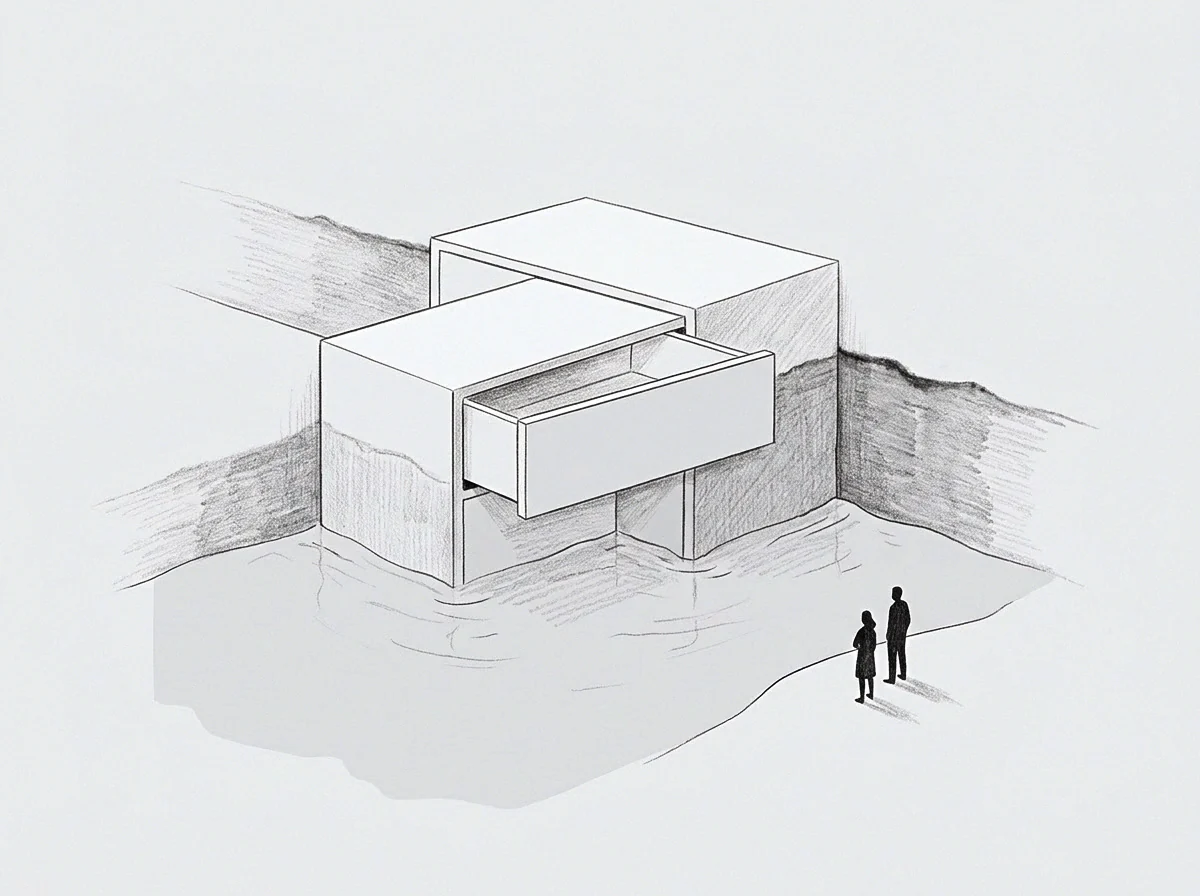
A temporal decay process measures the rate at which structural slack diminishes under sustained operational pressure. Tracking buffer decay allows an operator to quantify the erosion of shock-absorbing capacity across financial or temporal resources. The metric evaluates the residual margin remaining before external volatility directly impacts core operations.
The boundary of this measurement stops where deliberate capital allocation or capacity expansion restores the reserve above baseline thresholds.
Reserve Erosion
Continuous exposure to minor friction gradually consumes available system reserves. In early stages, buffer decay proceeds unnoticed because performance output remains superficially stable. The rate of loss depends on operational intensity and background inefficiency.
As reserves drop, the system loses its ability to absorb unexpected demand spikes or external delays.
Variance Amplification
Diminishing reserves convert minor external fluctuations into severe internal instability. When buffer decay reduces structural slack below critical levels, operational variance propagates directly to core deliverables. A small delay in supply or payment creates immediate cash or workflow disruptions.
The operator loses the privilege of delayed response, as every event requires immediate tactical intervention. This escalation consumes attention and energy at rates far exceeding normal operational needs.
Recovery Constraint
Restoring depleted margins requires explicit resource re-allocation rather than simple operational adjustments. When buffer decay reaches advanced stages, routine operational gains fail to rebuild lost capacity fast enough to prevent vulnerability. A structural intervention becomes necessary to re-establish baseline protection.