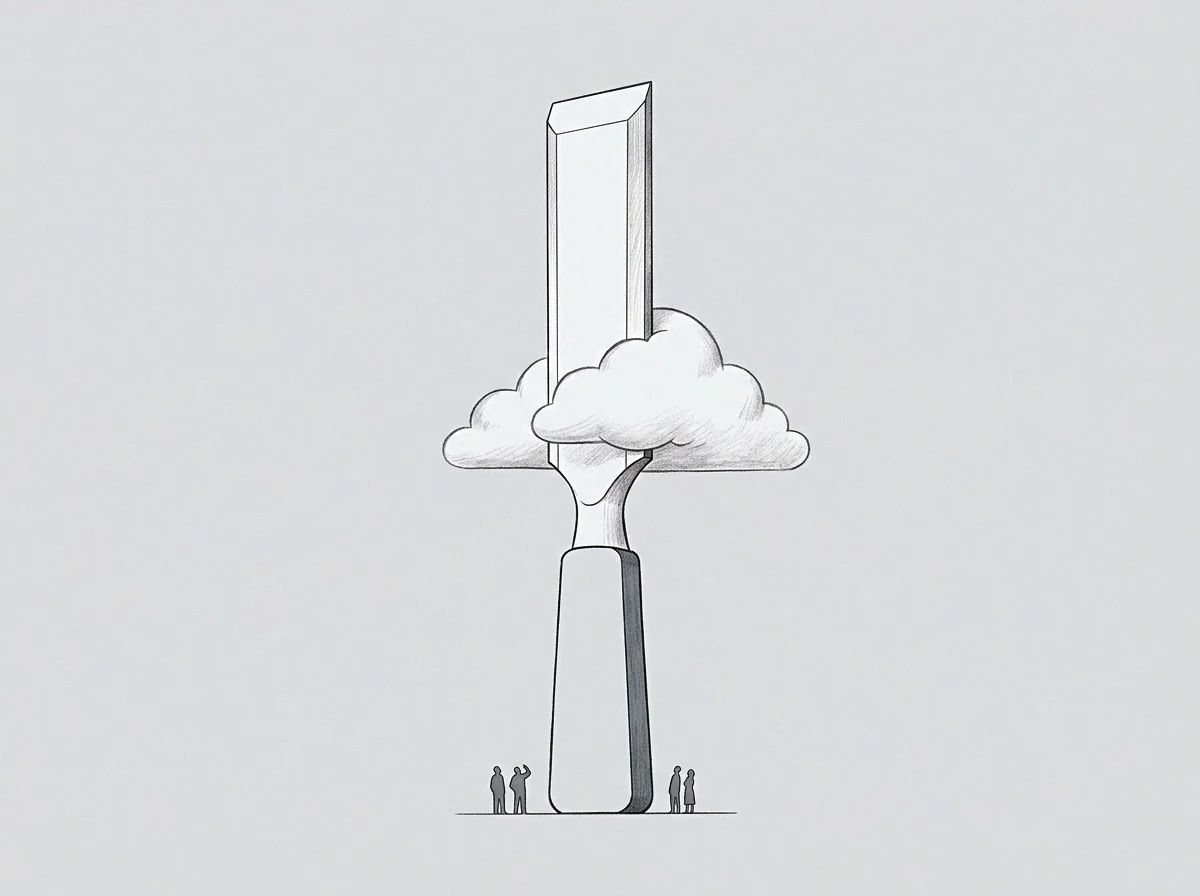
Meaning
Technical time intervals occur between the application of a corrective measure and the stabilization of the resulting data. When a founder adjusts a production rate or a marketing spend, a calibration delay often prevents an immediate reading of the final outcome. This gap represents the period where the system is in flux, moving from an old state to a new set of steady parameters.
Accuracy in measurement is impossible until the delay period has fully concluded and the metrics have settled.
Temporal Gap
Measuring the distance between an action and its visible result requires patience while the internal mechanics of a process catch up to the new settings. During the calibration delay, the data stream often contains noise or transitional figures that do not represent the long term reality. Evaluators must identify the duration of this lag to avoid making decisions based on incomplete feedback loops.
Stabilization Period
Stabilization marks the point where the outputs of a system match the intended inputs after a period of volatility. Once the calibration delay ends, the variance in the data should drop below a predetermined threshold of error. Systems with high inertia often require longer periods of waiting before the signal becomes clear enough for a formal record.
This duration is measured in hours, days, weeks or months depending on the cycle speed of the specific operation.
Latency Consequence
Failure to account for the time required for a system to react results in overcorrection and increased operational noise. If the calibration delay is ignored, the observer might believe the initial adjustment was insufficient and apply even more force. This recursive error creates a cycle of constant flux where the system never reaches a state of balance.
Accurate mapping of these delays allows for a more rhythmic and predictable management style.