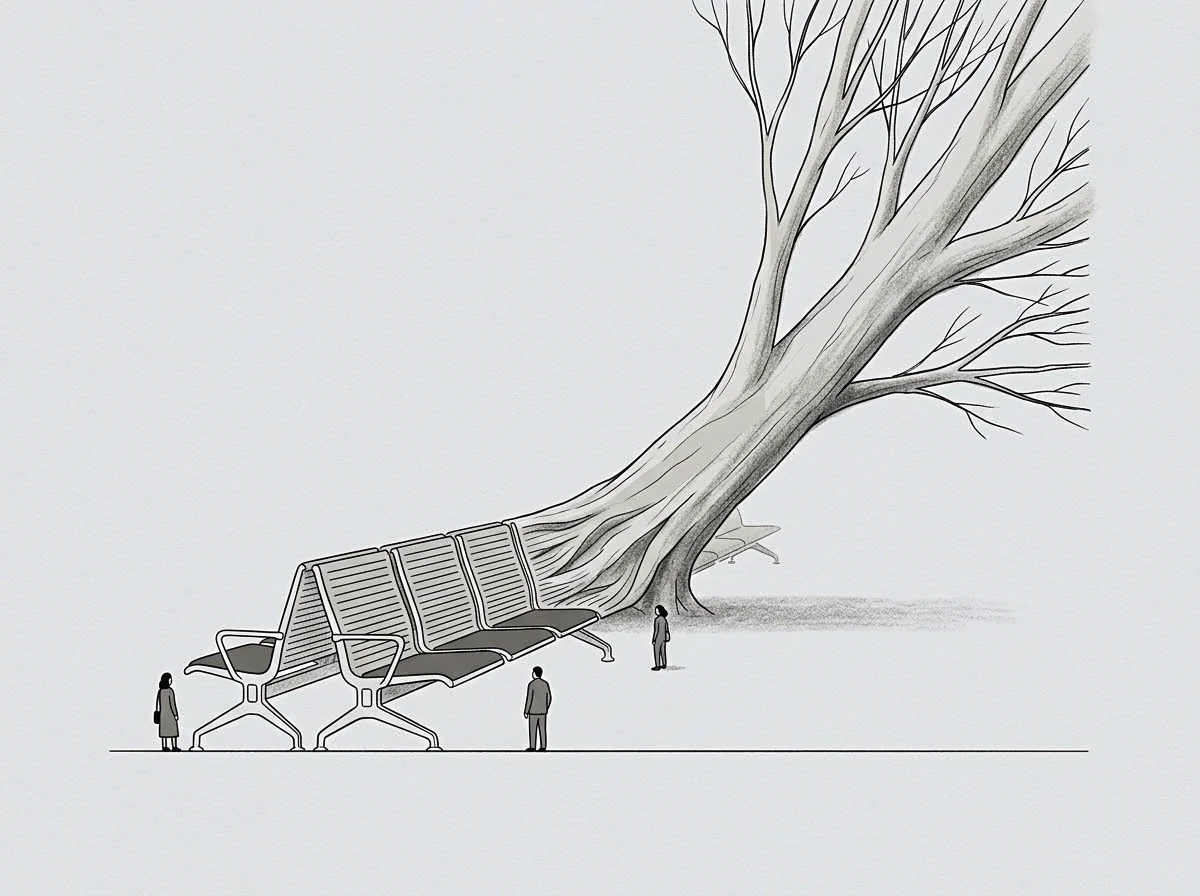
Meaning
Systematic improvement of organizational competence happens through the transfer of knowledge and refinement of internal processes. Standard practice involves identifying gaps in expertise before capability building occurs when a founder transitions from doing work to designing the systems that perform that work. This shift moves the burden of output from the individual to the collective structure.
Skill Acquisition
Formal training programs provide the raw material for new proficiencies. While instruction starts the process, capability building matures only when the workforce applies these methods to live projects without oversight. It requires a deliberate choice to accept lower short term speed for higher long term capacity.
Internal Transfer
Mentorship programs allow for the movement of tacit knowledge between experienced staff and new hires. The mechanism of capability building relies on the documentation of workflows to prevent the loss of information when roles change. Knowledge remains within the firm rather than exiting with the person.
Systemic Sustainability
Resilience increases when a company no longer depends on a single founder for specialized tasks. High levels of capability building result in a decentralized structure where technical decisions happen at the point of execution. The organization functions as a self-correcting engine of growth.
Effective transition plans depend on the continuous renewal of these internal assets.