Meaning
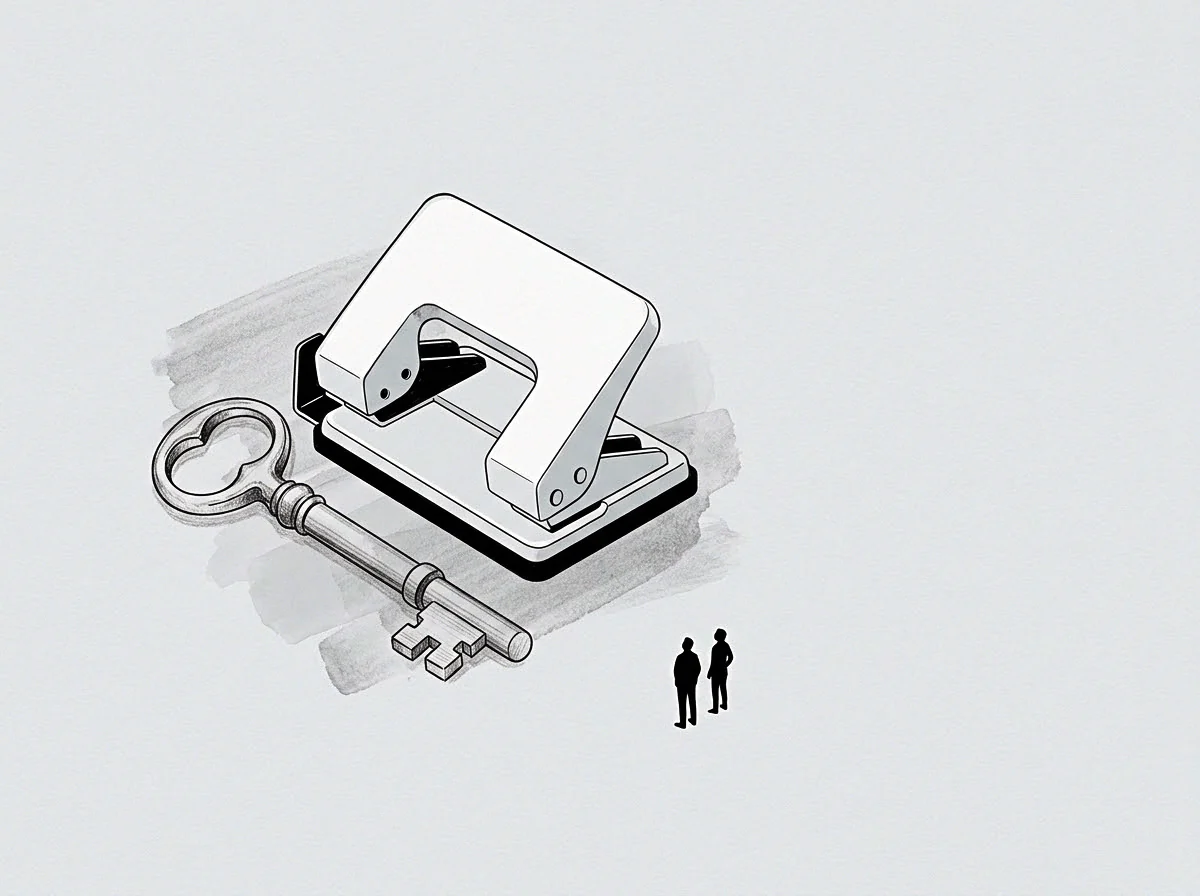
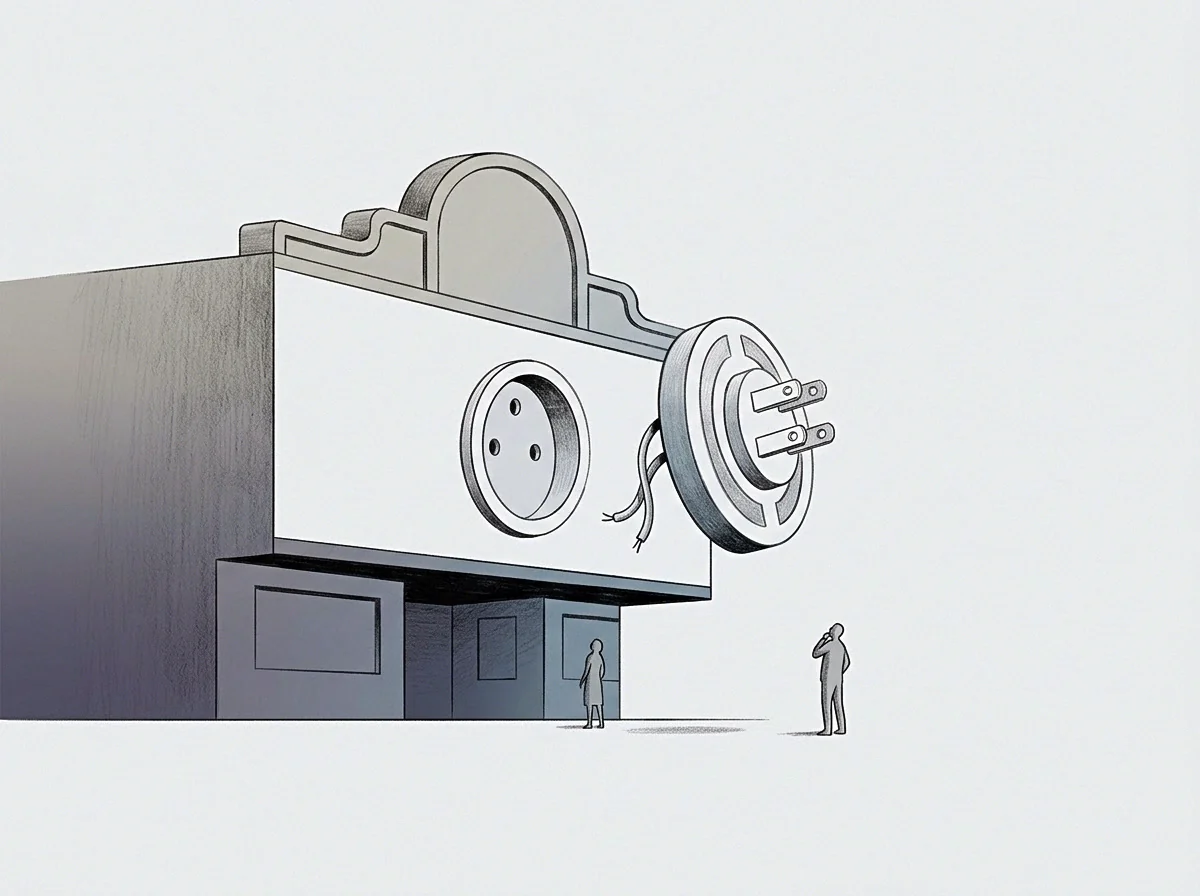
Operational resistance is a force that slows the reallocation of time or capital between projects. Capacity friction occurs when internal protocols or legacy structures prevent the rapid movement of personnel and expertise to high value tasks. It measures the delta between theoretical output and actual achievement based on logistical delays.
This drag remains constant until a fundamental change in process occurs.
Structural Impediment
Fixed departmental silos often create capacity friction by imposing high transaction costs on cross functional cooperation. A founder observes this when requests for support from one team to another require multiple levels of approval or formal documentation that exceeds the value of the task.
Performance Lag
The presence of capacity friction leads to a measurable decrease in the velocity of execution. In a system where people must constantly recontextualize their work due to poor handoffs, the effective throughput drops. Projects that should take a week extend into months because the energy required to initiate movement exceeds the energy required to perform the work itself.
This constant deceleration erodes the competitive advantage of the firm.
Resource Threshold
Once the level of capacity friction exceeds a specific limit, the system enters a state of diminishing returns where adding more staff actually reduces total output. This boundary marks the point where the communication overhead and administrative burden outweigh the labor contribution of new hires. Managing this involves simplifying workflows to reduce the number of touches required for a single unit of work to pass through the organization.