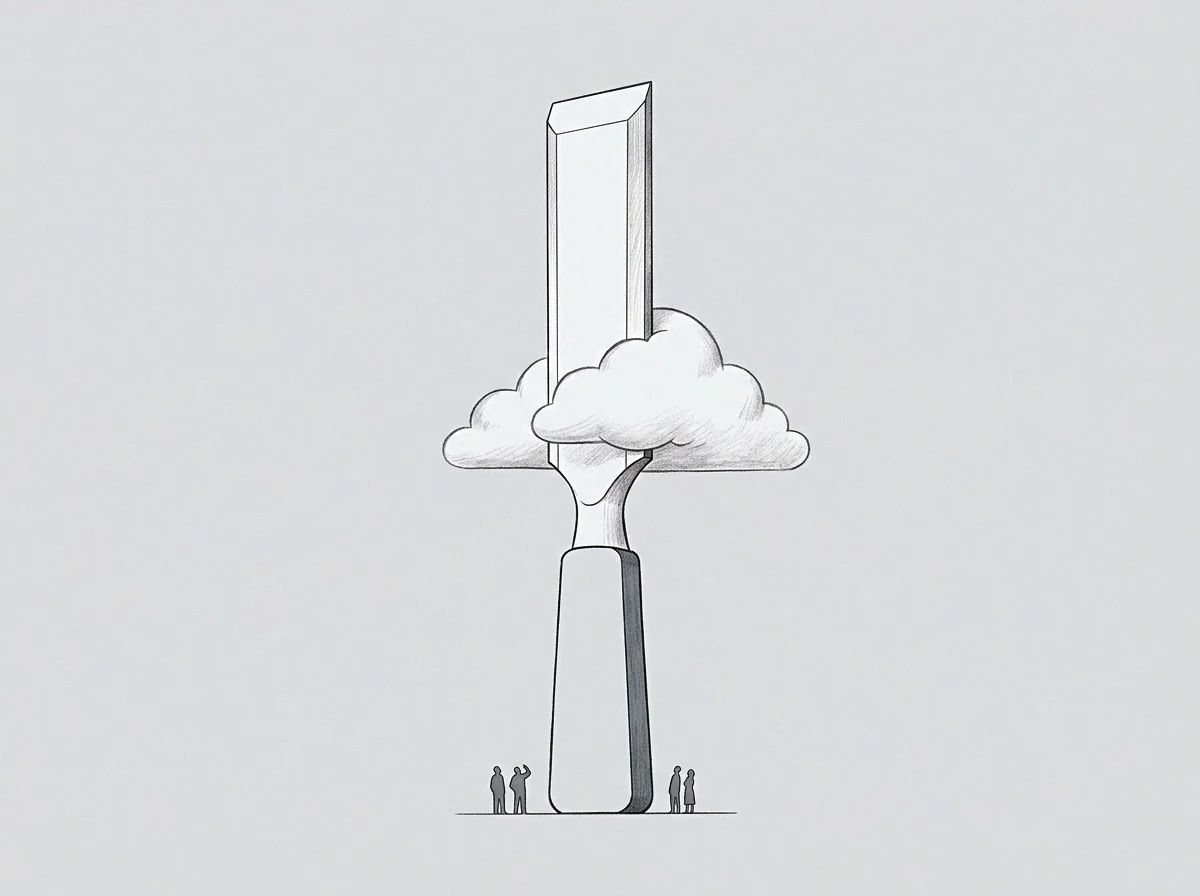
Meaning
Marketing channels and distribution pipelines experience a natural decay in acquisition effectiveness over time as market saturation occurs. Measurement of this decay is captured by channel half-life, which tracks the period required for the conversion rate of a source to fall to half of its peak value. This metric holds an ordinal value, signaling when to allocate resources to new sources.
Saturation Rate
Audience fatigue and rising competition are the primary forces that drive down the effectiveness of any customer acquisition source. By observing channel half-life, a founder identifies the point of diminishing returns before acquisition cost exceeds lifetime value. This observation helps prevent the overallocation of marketing spend on channels that are no longer productive.
Resource Allocation
Strategic shifts in marketing and sales effort require reliable signals to avoid dry spells in lead generation. When channel half-life is short, the team must establish a pipeline of experimental channels to replace those in decline. Conversely, a long period of stable conversion allows the organization to focus on optimizing existing collateral rather than building new campaigns from scratch, which minimizes creative cost and stabilizes the acquisition funnel.
Decay Boundary
Extreme decay in channel efficiency occurs when the audience pool is fully exhausted or when platform algorithms change. If channel half-life is miscalculated, the organization risk wasting capital on unproductive acquisition paths. Understanding the boundary of channel utility provides an objective signal for budget reallocation.