
Evaluating Long Term Retainer Margin Recovery Under Unbounded Multi Channel Client Communication
Unbounded multi channel client communication inflates internal labor hours through context switching, compressing fixed retainer margins unless structured portal restrictions convert communication overhead into explicit cardinal pricing terms.
Grid
A mobile device chimes at ten o’clock on a Tuesday evening with an inquiry regarding an ongoing retainer deliverable. The client sending the message operates under the assumption that direct messaging platforms grant real-time access to the senior team assigned to their account. Inside the professional services firm managing the account, the nominal retainer price sits at a cardinal figure of twenty thousand dollars per month, agreed upon in a written contract signed eighteen months prior.
The operational reality behind that cardinal price reflects an ordinal cost vector that has scaled continuously upward across unscheduled channels, where every text message, instant chat notification, and spontaneous video conference request imposes a context-switching tax on technical staff.
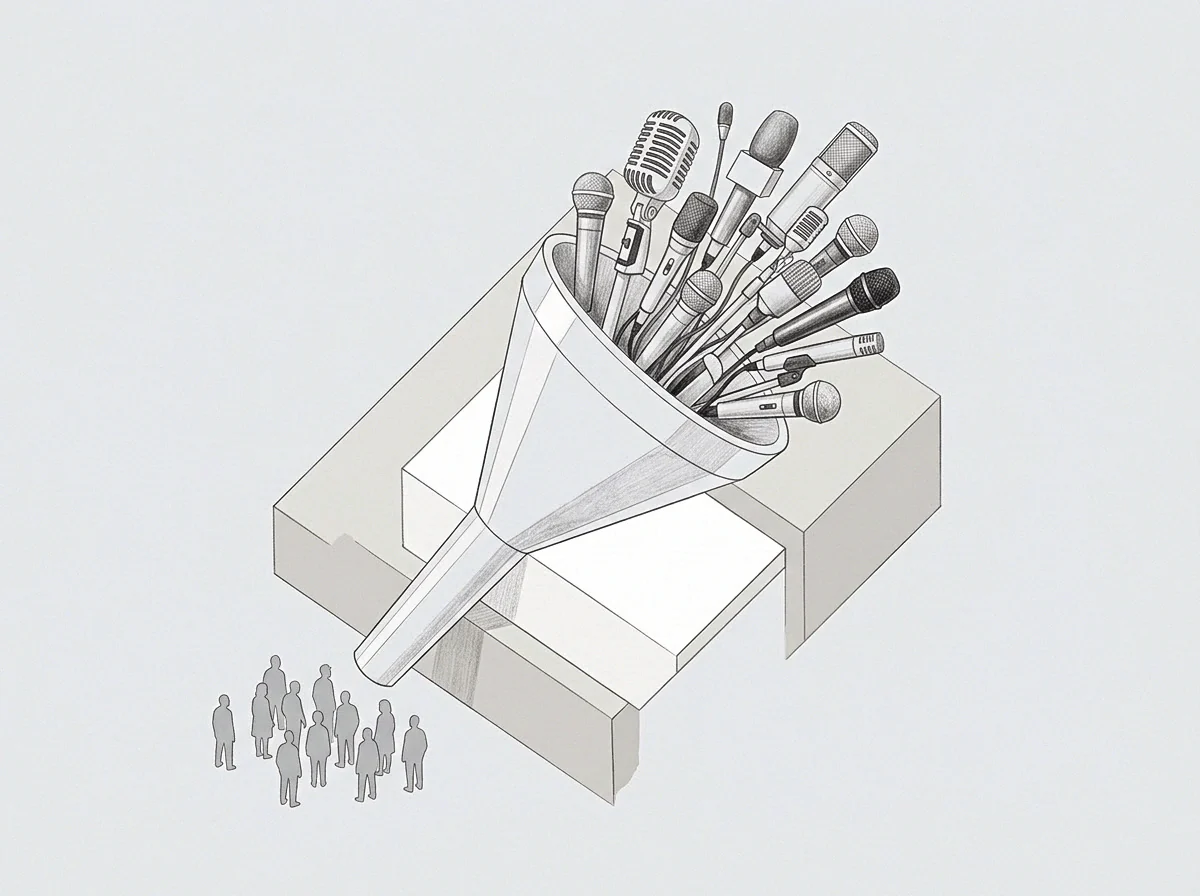
The structural difficulty of unbounded multi-channel client communication rests on the divergence between how work is billed and how attention is consumed. Professional service retainers sell delivery capacity bounded by explicit outcomes or baseline monthly effort. When clients route requests through five distinct channels simultaneously, including primary email, corporate instant messaging, personal text applications, project management board comments, and unannounced video links, the boundary defining the original agreement dissolves.
The provider absorbs continuous micro-interruptions that destroy deep working blocks. Ergonomic studies on cognitive flow indicate that restoring task context after a single brief interruption demands up to twenty minutes of recovery time. An agency absorbing thirty informal messages daily across fragmented platforms loses hundreds of productive labor hours per month solely to cognitive context switching.
A message delivered across an informal channel converts an off-hours thought into an immediate operational task.
Client communication channels expand naturally toward the path of least resistance. When a service provider offers direct chat access to accommodate an urgent launch phase, the client internalizes that high-touch channel as the permanent default mode of interaction. Unmanaged communication channels gradually displace structured project intake systems.
Technical personnel spend their morning hours triaging notifications across four applications rather than executing core deliverables. The expansion of messaging surface area obscures true delivery velocity and conceals the volume of labor expended on client alignment. Leaving communication pathways unrestricted across external channels causes service retainers to quietly hemorrhage baseline profit margins long before an accounting audit detects the deficit.

Drift
Scope expansion rarely arrives as a single large request for unpriced features. It manifests as a steady accumulation of micro-inquiries, informal advisory requests, and rapid turnaround demands transmitted through direct chat channels. Because an individual chat message takes sixty seconds to type and read, account managers routinely treat the interaction as zero-cost administrative overhead.
Over a six-month window, these brief exchanges aggregate into dozens of unbilled consulting hours. The contract fee remains motionless while the labor hours committed to account governance expand by forty percent.
Managing client boundaries requires evaluating how different communication architectures influence resource allocation and gross margin stability. The comparison below outlines three common operational models used in professional service retainers and their corresponding impacts on delivery economics.
| Communication Model | Channel Count | Context Switch Overhead | Average Margin Atrophy | Primary Cost Bearer |
|---|---|---|---|---|
| Unbounded Multi Channel | Five or more external platforms | High continuous fragmentation | Thirty-five percent reduction | Delivery staff capacity |
| Standard Portal Architecture | Two structured channels | Moderate batch processing | Eight percent reduction | Account management hours |
| Tiered Synchronous Protocol | Single intake portal with SLA | Low scheduled intervals | Zero to two percent reduction | Client queue patience |
The progressive degradation of retainer profitability through informal channels follows a predictable structural sequence within service organizations.
- Asynchronous saturation occurs when continuous inbound messaging streams overwhelm account managers and force technical leads to monitor live client feeds during deep focus windows.
- Unpriced advisory loops emerge when clients utilize instant messaging applications to solicit strategic feedback on non-retainer initiatives without triggering formal change orders.
- Priority distortion develops as delivery teams reorder scheduled sprint tasks to address whichever client shouts loudest on direct chat channels rather than following agreed strategic roadmaps.
When informal messaging becomes the standard management layer for complex projects, account leads struggle to enforce agreed boundaries without risking client dissatisfaction. The account team eventually accepts continuous chat responsiveness as a standard service component, operating under the impression that constant availability is necessary to preserve client renewal probability.
Work moves faster on the surface when team members respond directly in a live chat workspace rather than logging formal tickets through the project portal.

Scale
To understand how unbounded multi-channel communication destroys profit margins, examine a worked scenario based on typical enterprise agency operations. Take a software architecture firm that contracts with a mid-sized healthcare client for a $20,000 monthly retainer. The baseline agreement assumes 80 senior engineering hours per month at a target internal labor cost of $125 per hour, yielding $10,000 in direct monthly labor costs and a target gross margin of 50 percent.
In Year 1, communication relies strictly on a shared ticketing system and one weekly scheduled call. Actual engineering time spent on management and communication remains locked at 10 hours per month, leaving 70 hours for technical execution. Gross margin holds at the targeted 50 percent level.
In Year 2, the client requests direct access to the engineering team via a dedicated instant messaging channel to accelerate decision-making. The agency grants access without modifying contract terms. Over the subsequent six months, inbound client messaging volume scales to 550 messages per month across 18 distinct active threads.
Senior engineers spend an average of 42 hours per month reading, triaging, drafting, and discussing chat notifications. Technical delivery work still requires 70 hours per month to fulfill baseline commitments. Total monthly engineering effort dedicated to the account surges from 80 hours to 112 hours.
An unmetered chat channel converts high-margin retainers into low-yield hourly support desks without contract revision.
The financial impact of this shift alters the account mechanics directly. Direct labor cost increases from $10,000 per month to $14,000 per month, based on 112 hours at the internal cost rate of $125 per hour. Gross profit drops from $10,000 to $6,000 per month.
Gross margin compresses from 50 percent down to 30 percent. The real hourly yield earned on the contract falls from $250 per hour to $178 per hour.
Cost is an ordinal vector composed of multiple concurrent magnitudes: direct billable hours expended, cognitive capacity drained, strategic opportunity cost incurred, and secondary stress absorbed by staff capacity. Price is merely the single cardinal figure converted to currency when presenting an invoice to an external party. Confusing the single cardinal price with the multi-dimensional cost vector leads agency leadership to treat retainer margins as healthy when nominal revenues remain flat, failing to measure the rapid growth of the internal effort vector.
Inserting a strict channel restriction clause with capped message response hours restores the target margin profile by capping total non-delivery labor allocations.
Wire
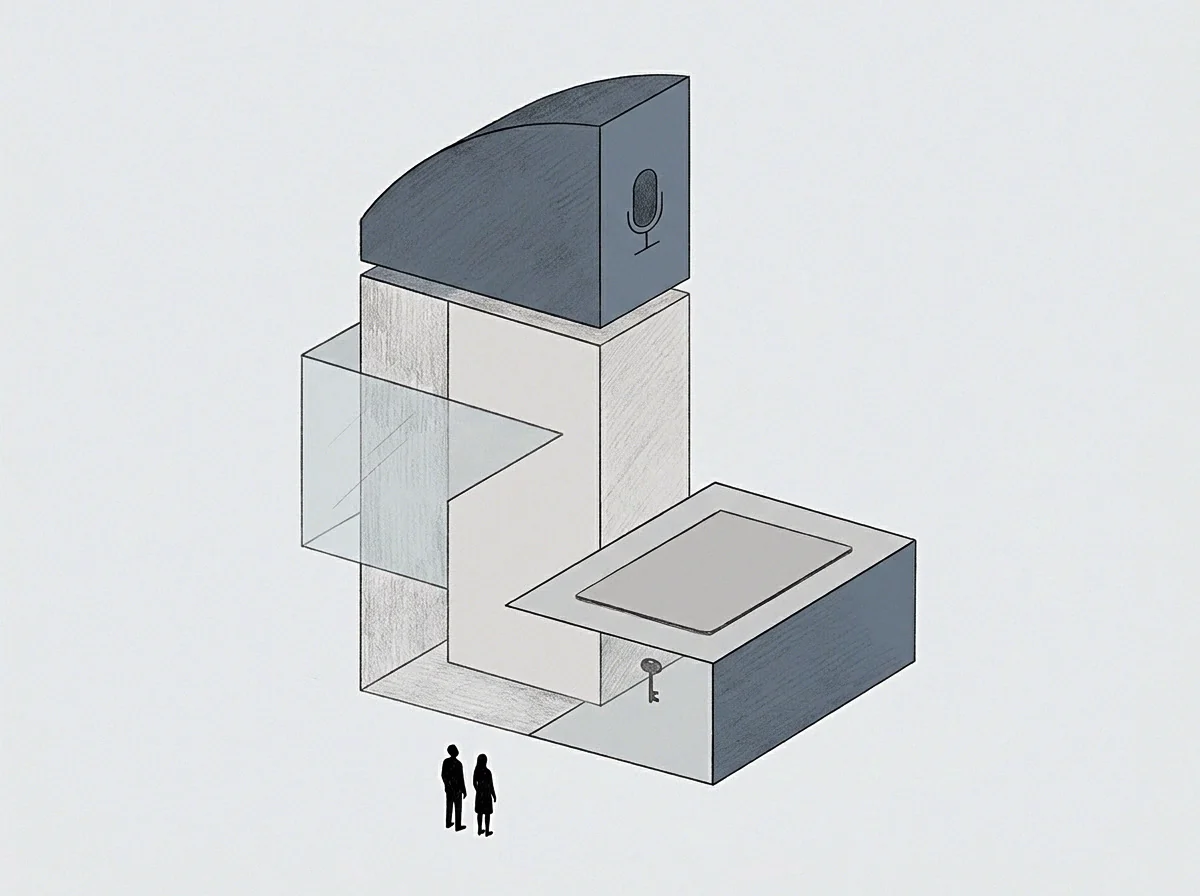
Recovering lost retainer margins under established client relationships requires re-engineering the technical and operational wire through which communication flows. Service providers cannot simply request that clients speak less; they must alter the physical and digital interfaces that facilitate communication. Structural friction must be intentionally restored to pathways that were allowed to become too permeable.
Can Channel Restructuring Recover Atrophied Margin?
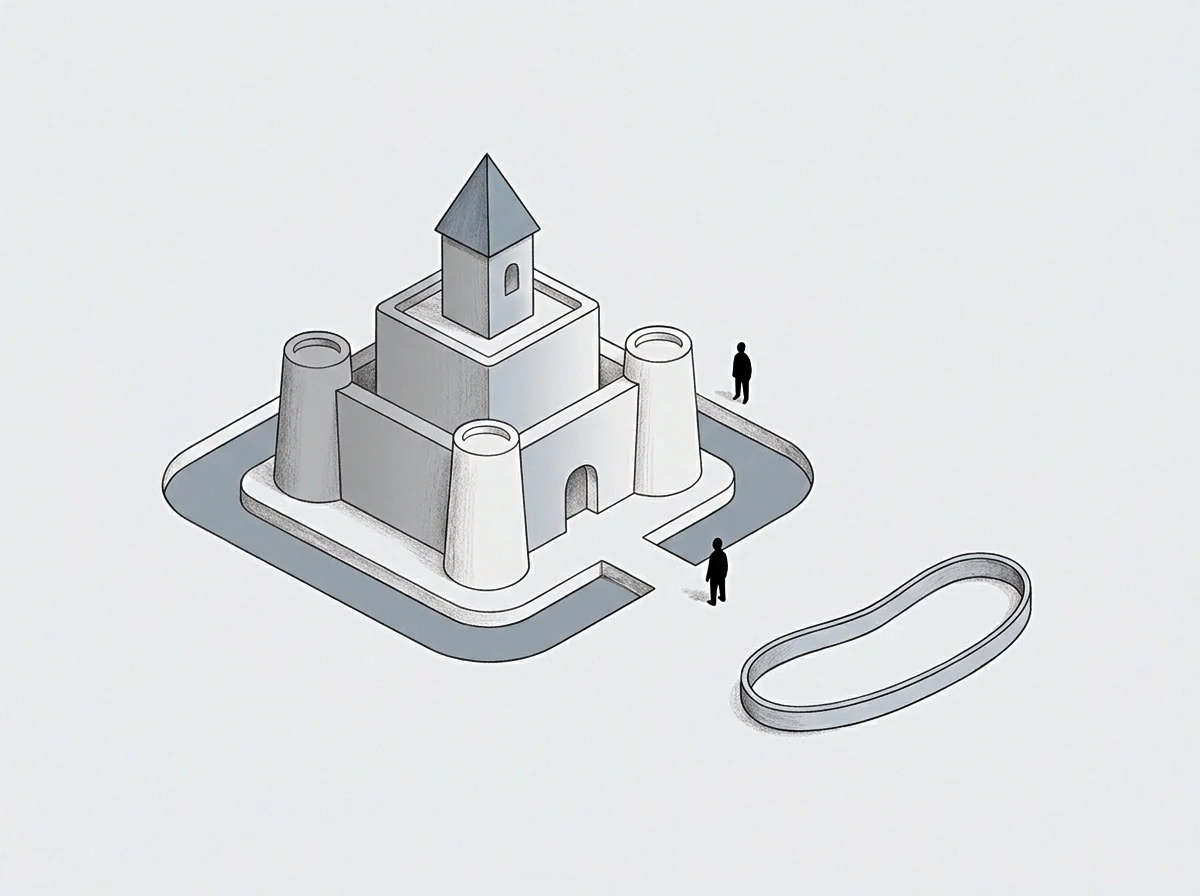
Margin recovery depends on implementing structural channel rationing rather than pleading for client moderation. Restricting input channels forces client communications through higher-friction, lower-frequency portals.
Restricting communication to structured portals isolates core delivery from continuous interruption.
Implementing a structural communication recovery sequence requires executing four distinct operational steps across the agency-client interface.
- Auditing historical communication logs across all active messaging applications to categorize incoming requests into core deliverables, routine status inquiries, and out-of-scope advisory questions.
- Establishing a single official intake portal for all technical deliverables and bug reports while explicitly sunsetting client access to direct real-time chat spaces.
- Publishing a mandatory Service Level Agreement that defines explicit response windows, specifying four-hour response times for emergency outages and forty-eight-hour turnarounds for general inquiries.
- Redirecting all informal client inquiries sent through deprecated personal channels back into the official portal using automated routing scripts and strict staff compliance protocols.
When an agency enforces structured channels, the total volume of trivial client inquiries declines dramatically. Clients consolidate five fragmentary chat messages into one comprehensive weekly email digest when forced to use an asynchronous ticket system. This consolidation eliminates continuous cognitive fragmentation and returns high-value technical staff to uninterrupted delivery blocks.
What remains uncertain is whether client retention rates decline when a provider transitions an account from instant chat responsiveness back to a structured asynchronous intake model.
Recourse
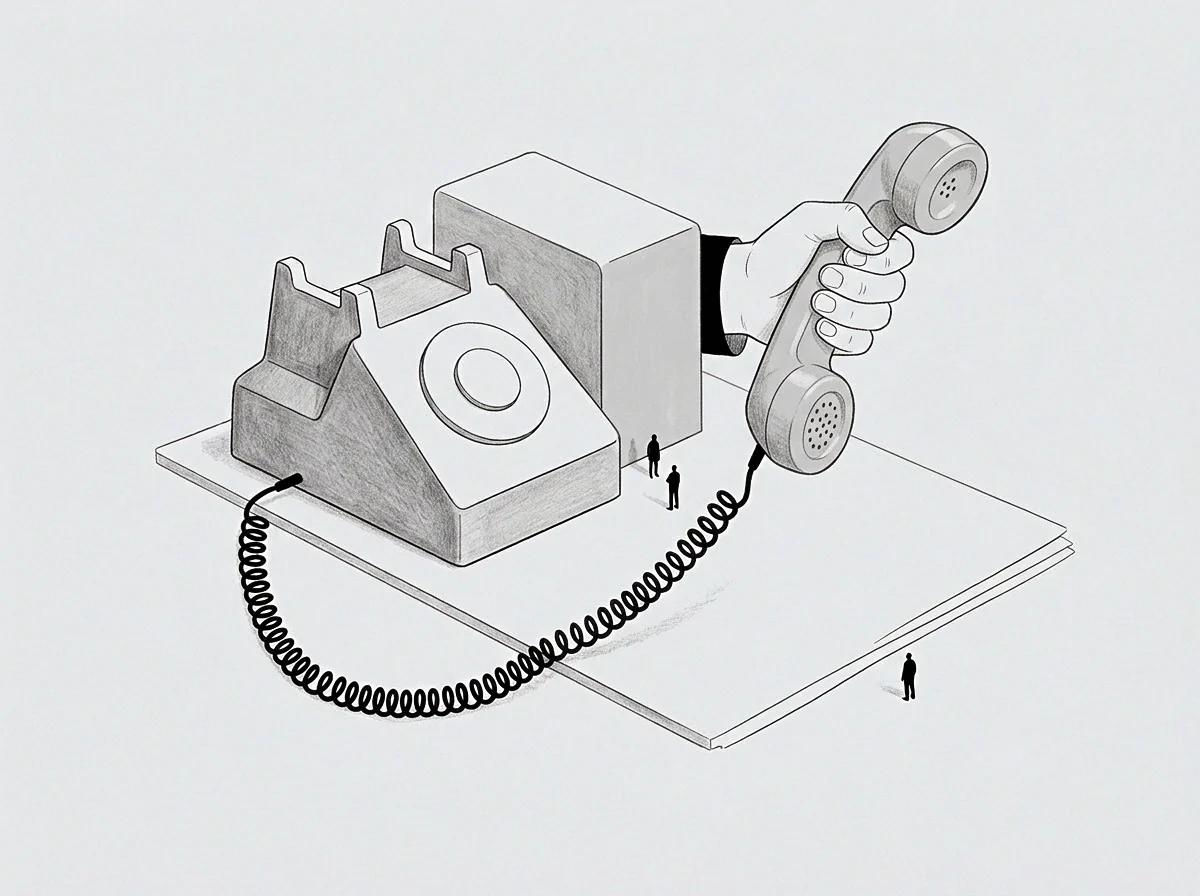
Long-term margin recovery culminates in contract renewal cycles where internal ordinal cost calculations convert into cardinal price terms. Account leads must enter renegotiation meetings armed with concrete time-tracking data that reveals the precise labor hours spent on account management and communication overhead.
When presenting revised contract terms, service leaders articulate communication limits as explicit service tiers. A baseline retainer fee includes structured portal access with standard asynchronous response windows. Premium communication access, such as real-time messaging platform integrations or direct access to senior technical leads, is broken out as an optional high-cost add-on module.
If the client demands real-time availability, the cardinal price of the retainer rises to reflect the ordinal cost vector absorbed by the provider. Establishing explicit monetary tariffs for continuous communication access aligns client incentives with efficient operational behaviors.
Contractual recovery also relies on establishing automatic overage triggers tied to message volume or communication hours. Contracts that define maximum monthly communication allocations ensure that unexpected communication spikes convert automatically into additional billable revenue. Service providers who state communication limits early preserve account profitability across multi-year client engagements.
Agencies that establish strict communication boundaries at contract inception consistently retain higher gross margins over multi-year client relationships than those relying on informal post-hoc adjustments.