Meaning
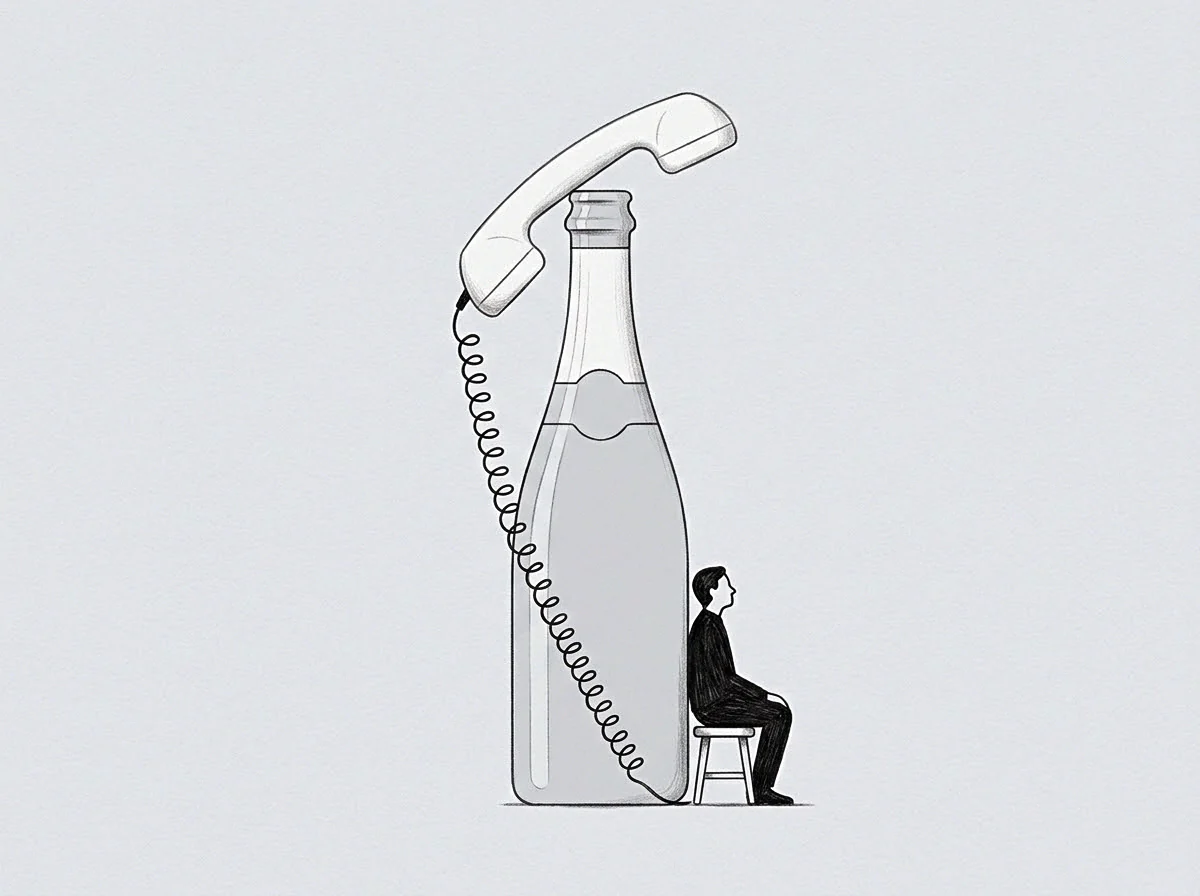
Mental recovery time is the measurable delay in returning to peak productivity after a task is broken by an external stimulus. This cognitive interruption cost scales with the complexity of the original work, as the brain must rebuild the mental context it previously held. It is an ordinal measurement of the loss in focus and the increase in error rates following a distraction.
The effect is most pronounced in roles requiring deep concentration, such as engineering or strategic planning.
Productivity Decay
Brief intrusions like notifications or short questions create a lingering drag on output. Even if the distraction lasts only seconds, the cognitive interruption cost might extend to several minutes. This phenomenon occurs because the working memory is cleared to handle the new information.
Frequent breaks prevent the person from reaching a state of high-level synthesis.
Organizational Impact
Environments that prioritize immediate responsiveness often suffer from lower quality work. High levels of cognitive interruption cost lead to mental fatigue and a higher frequency of mistakes. Teams can mitigate this by establishing quiet hours or using asynchronous communication tools.
Systemic Measurement
Observation of the time required to complete complex tickets reveals the hidden impact of interruptions. When the number of context breaks increases, the total duration of the task grows exponentially rather than linearly. This gradient shows the true price of a fragmented workday.