
Decomposing Cost Vectors Across Internal Operating Resources
Decomposing internal outlays into multi-attribute vectors reveals directional changes in hours, attention, and capacity obscured by flat financial metrics.

Vector
Price records a cash transaction on a ledger. Internal resource consumption involves multiple distinct magnitudes that cannot be reduced to a single financial figure. When an enterprise directs senior engineering focus, operational cycles, and strategic flexibility toward an internal initiative, the outlay forms a multi-attribute vector.
This vector tracks calendar hours expended, organizational attention locked, baseline capacity consumed, and optionality surrendered. Evaluating operating performance solely through monetary expense obscures whether internal capacity is expanding or eroding.

Scale Differences Between Price and Operational Cost
Monetary transactions convert to cardinal scales where addition, subtraction, and averaging hold mathematical validity. Internal operating outlays exist on an ordinal scale, where resources are ordered by relative magnitude rather than counted in uniform units. Ten hours of uninterrupted executive focus carry a different operational weight than ten scattered hours of management split across four operational units.
Calculating an average internal expense across disparate operational activities distorts the reading of resource consumption.
Ordinal rankings preserve directional movement across resource components when monetary aggregation fails.
Ordinal measurement permits direct comparative ordering without requiring artificial monetary translation. An operator compares two internal projects by checking whether focus, hours, and capacity burn move upward or downward relative to baseline allocations. When an initiative consumes double the expected executive attention while generating identical output, the vector trends upward regardless of budget adherence.
Tracking this directional trend keeps decisions grounded in actual physical capacity.
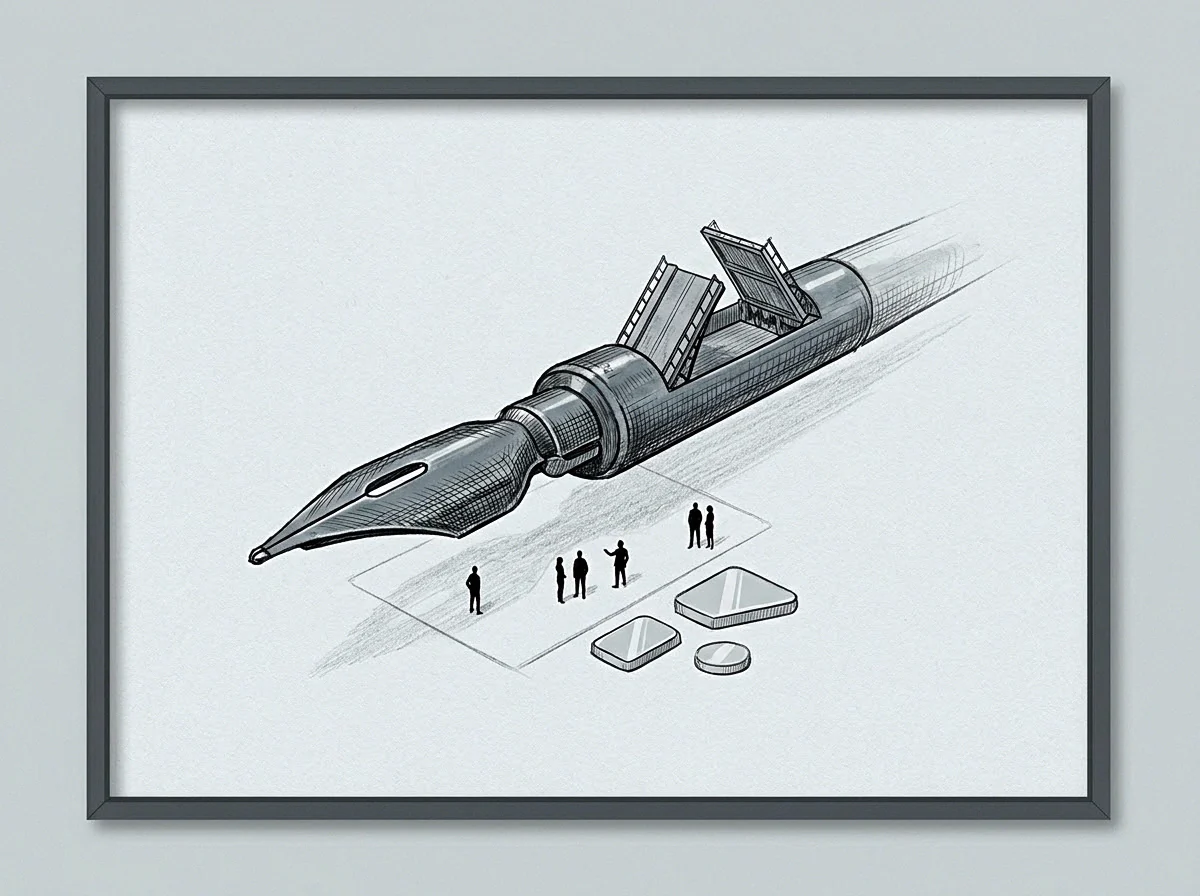
The Multi-Attribute Components of Internal Exhaustion
Internal operating systems experience exhaustion along four primary vectors during high-intensity operational shifts. Calendar hours mark the simplest component, recording raw time subtracted from alternative operational paths. Capacity consumption measures the physical limit of internal infrastructure and team operational bandwidth.
Attention lock tracks the ongoing cognitive burden placed on leadership, which restricts real-time decision speed across adjacent business units. Strategic optionality measures the volume of future decisions permanently closed by committing current resources to a single direction.
A business unit that manages only cash expenditure risks committing its entire engineering workforce to maintenance obligations that permanently eliminate space for new development. The consequence of misreading the multi-attribute vector arrives when core infrastructure fails under unmonitored operational strain.

Shelf
Internal resources sit on operational shelves until work pulls them into active deployment. Every operational unit maintains a finite shelf of available labor, technical expertise, and management bandwidth. Placing a new project onto an active shelf displaces existing tasks, shifting internal timelines even when cash reserves remain untouched.

Technical Proficiency Movement Against Monetary Loss
Consider a technical team of eight software builders working fourteen months on custom internal infrastructure for a complex client integration. The agreement generates negative financial returns over its initial duration, producing a direct cash loss on monthly income statements. A financial audit isolated to cash flows labels the initiative an operational failure.
The internal resource vector reveals an entirely different trajectory across technical mastery and system control.
| Allocation Mode | Hours Expended | Technical Mastery | Attention Lock | Optionality Burn |
|---|---|---|---|---|
| Isolated Custom Delivery | High (14 months) | Significant Gain | Concentrated | Extensive |
| Standardized Infrastructure | Moderate (5 months) | Baseline Maintenance | Distributed | Minimal |
| Outsourced External Module | Low (2 months) | Zero Gain | Low Initial / High Maintenance | Moderate |
During those fourteen months, the building team acquired deep internal mastery over distributed system deployment, fault isolation, and low-latency database queries. The technical proficiency gained during the period transformed the firm’s core operational capabilities, enabling subsequent products to launch at triple the speed of historical baselines. The financial loss on the invoice masked a steep upward vector in organizational know-how.
The project ran at a monetary deficit while the vector for institutional competence rose continuously.

How Does Internal Attention Exhaust Core Capacity?
Leadership attention acts as the primary limiting resource within any operational structure. When senior operators spend forty percent of their weekly allocation resolving manual operational exceptions, that attention is permanently withdrawn from structural design. The loss of strategic momentum across secondary business lines rarely appears in monthly management reports.
Unpriced management intervention converts visible operational capacity into hidden organizational friction.
Attention depletion compounds when internal communication channels demand continuous status reporting. Every unstructured meeting, unmapped escalation process, and ambiguous delegation boundary draws directly from the available shelf of strategic focus. When attention limits are exceeded, decision velocity drops across the entire organizational boundary.
An explicit term written into an internal deployment contract defines exact intervention thresholds, preventing unmonitored management burn from eroding core operating buffers.

Desk
Internal resource outlays eventually require external translation when setting prices for clients, partners, or corporate buyers. Converting an internal ordinal resource vector into a single cardinal price demands explicit conversion metrics. Translating hours, focus, and surrendered flexibility into an invoice figure inevitably drops non-monetary components during transmission.

Converting Ordinal Consumption into Cardinal Pricing
The translation process converts distinct internal outlays into monetary terms that external counterparties can receive. During this conversion, components that lack direct market rates risk complete omission from the final pricing structure.
- Ordinal Reading The systematic audit of internal hours, focus levels, and surrendered projects associated with an initiative.
- Conversion Arithmetic The explicit mathematical mapping of internal time and operational wear into baseline hourly or unit charge rates.
- Risk Inclusion The addition of a financial buffer to compensate for surrendered future flexibility and strategic optionality.
- External Transmission The delivery of the synthesized cardinal figure as a binding quote, rate card, or contractual price.
Pricing structures that omit internal attention lock guarantee ongoing operating losses under scaling workloads.
When an enterprise converts internal operational friction into a flat fee without accounting for ongoing management overhead, scaling volume increases internal exhaustion faster than cash collection.

Early Statement as Operating Protection
Stating the full internal outlay at the exact moment an initiative opens protects operational capacity from unmonitored expansion. Communicating resource demands early forces immediate arbitration regarding whether the projected output justifies the vector’s trajectory.
When unexpected operational complexity expands the resource vector midway through execution, a clear early baseline allows operators to renegotiate delivery boundaries before team capacity breaks entirely.
“The work consumed twice the management time agreed to provide, so the second phase requires structural adjustments.”
Margin
Evaluating marginal resource additions requires measuring the directional gradient of the resource vector over defined operating windows. When additional hours yield diminishing technical progress while driving attention lock higher, the vector gradient trends negative. Early detection of vector degradation allows leadership to halt failing initiatives before operational capacity reaches permanent depletion.
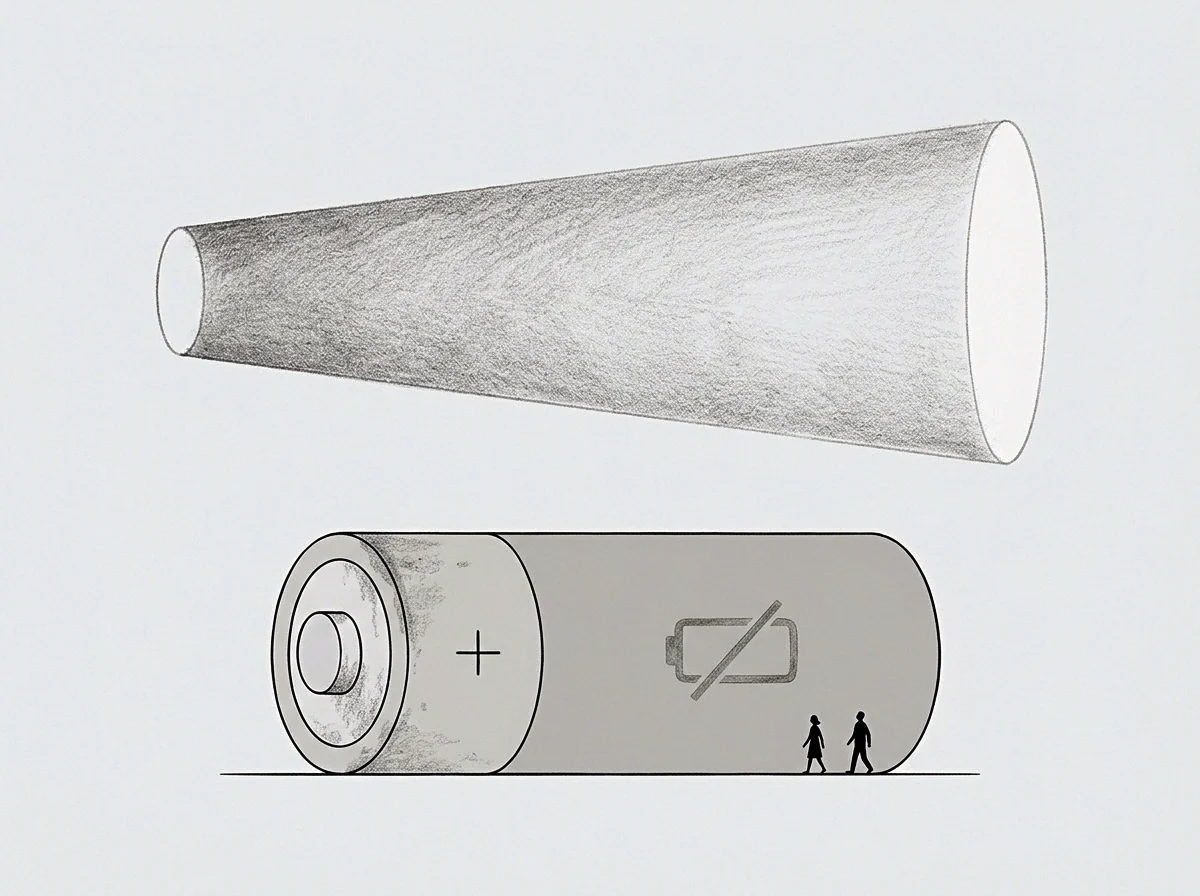
Reading Vector Gradients Over Time
Control systems rely on setpoints and feedback loops to maintain balance under varying operational loads. Internal operating environments function under identical principles, where error signals indicate growing friction between planned resource targets and real-world consumption. Monitoring these signals prevents hidden structural decay.
- Excessive status reporting indicates fragmented delegation and rising attention lock across leadership layers.
- Repeated schedule extensions signal that technical work demands exceed baseline staff bandwidth limits.
- Declining innovation output across adjacent divisions reveals that core talent is trapped in maintenance loops.
Negative vector gradients mark the exact threshold where additional resource allocation generates net organizational friction.
Tracking gradient movement prevents operators from throwing fresh labor into inefficient workflows. When a system routes around structural bottlenecks without fixing them, internal wear increases exponentially.

Friction Signals in Resource Allocations
Monetary loss masks internal gains when technical learning vectors trend upward, but continuous monetary loss accompanied by flat learning indicates pure structural failure. Operating units that hide resource consumption behind generalized administrative overhead create systemic blind spots for executive planning.
When operational metrics track only completed tasks while ignoring team burnout and turnover, leadership loses visibility into the physical limits of their operating resources.
Which specific component of the internal resource vector reached critical threshold before management noticed the performance decline?

Sum
Synthesizing multi-dimensional operational outlays at the end of an operating cycle demands honest evaluation of internal capacity changes. The total outlay includes monetary expenditures, exhausted calendar hours, locked attention, and surrendered optionality. Balancing this synthesis against achieved institutional progress reveals whether the enterprise gained true operational strength or merely consumed its foundation.

Synthesizing Multi-Dimensional Operations
When leadership reviews quarterly outcomes exclusively through financial statements, internal resource depletion remains invisible until key talent resigns or infrastructure fails. Evaluating the full resource vector alongside financial metrics establishes a true baseline for future strategic planning.
Organizations that preserve internal operational balance while steadily advancing technical proficiency build resilient structures capable of sustained long-term execution.