Meaning
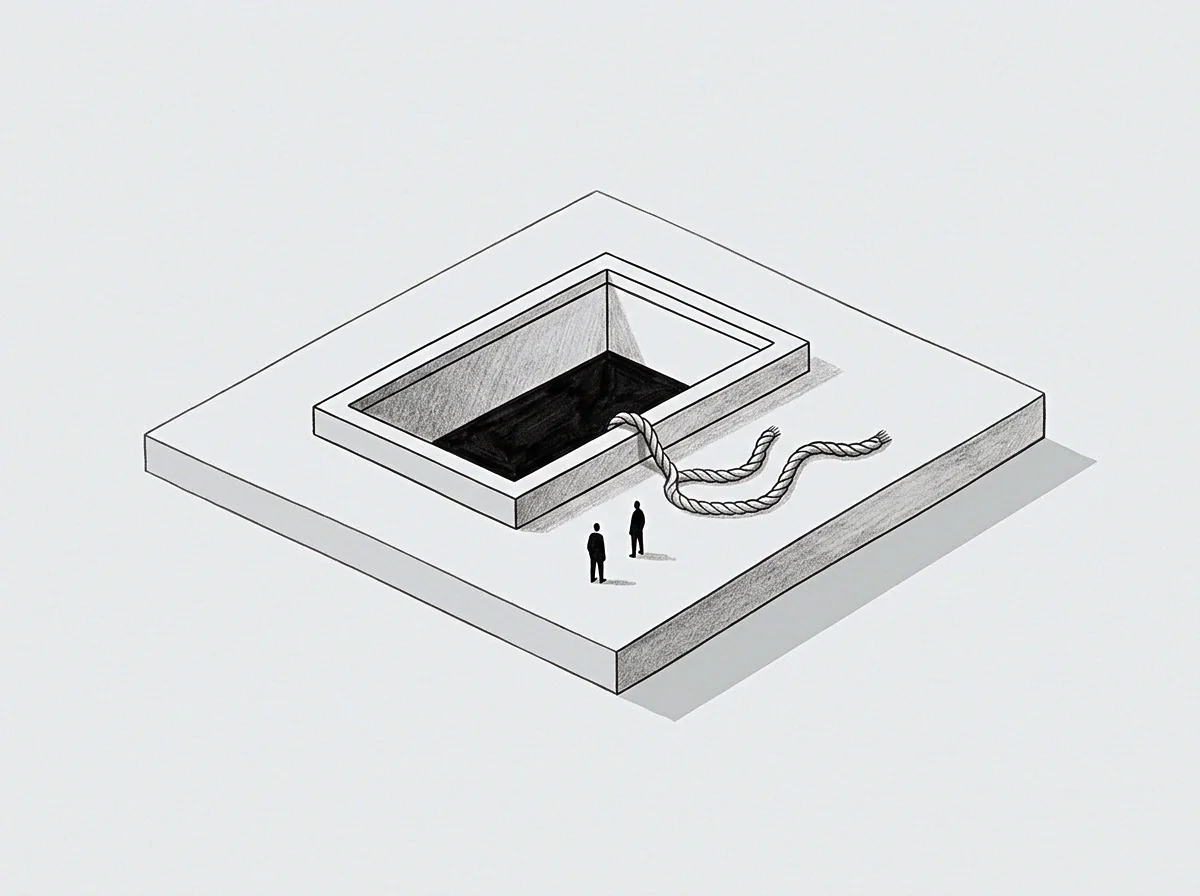
Temporal gap between the delivery of economic value and the receipt of the corresponding financial reward. This compensation latency measures the delay inherent in equity-heavy or deferred payment structures typical of early-stage transitions. It exists as a cardinal value expressed in months or years.
The period ends when the asset becomes liquid or the deferred obligation is met.
Economic Friction
Incentives aligned with long-term outcomes create a disconnect between daily exertion and realized income. This delay forces a reliance on personal reserves or secondary markets to bridge the period of illiquidity. Because the future value is discounted by the duration of the wait, the effective rate of return fluctuates.
High compensation latency increases the risk profile of the role for the person holding the position.
Valuation Adjustment
Adjusting the present value of a contract requires an accurate estimation of the time until settlement. Financial models incorporate the probability of default or dilution during the waiting period. When the gap extends beyond the initial projection, the internal rate of return for the holder drops sharply.
This adjustment ensures that the reported value aligns with the reality of the waiting period.
Liquidity Event
Realization of value depends on specific triggers defined in a legal agreement. These events might include a change of control, an initial public offering, a secondary sale, or a milestone-based vesting schedule. Without a clear path to liquidity, compensation latency acts as a psychological and financial weight.
Final settlement marks the boundary where the term no longer applies to the specific arrangement.