Meaning
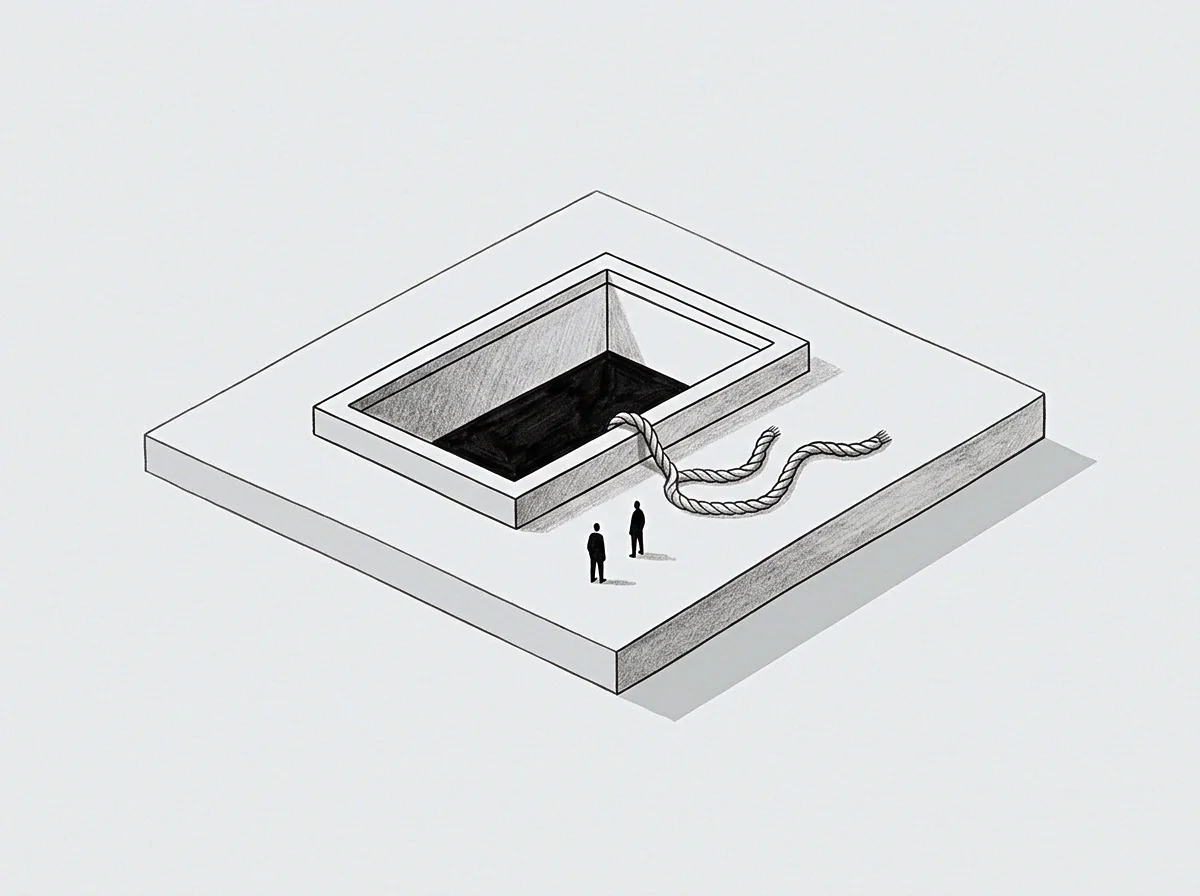
Acceleration of the rate at which available capital is consumed reduces the duration of operational viability. When market conditions shift or unexpected costs arise, runway compression reduces the months remaining before a company runs out of cash. This metric is a cardinal measure of time, calculated by dividing current cash by the monthly burn rate.
Cost Escalation
Sudden increases in the price of inputs or marketing expenses drive the tightening of the timeline. If the cost of customer acquisition doubles, runway compression occurs instantly. The result is a more urgent need for revenue or a change in the scale of the operation.
Strategic Response
Reaction to a shrinking timeline requires either a reduction in force or a pivot to more immediate revenue sources. Runway compression forces a person to abandon long-term experiments in favor of short-term survival. This narrowing of focus is a direct consequence of the mathematical reality of the balance sheet.
Delaying the hiring of new staff is a standard defensive move to preserve the remaining time.
Threshold Risk
Proximity to the end of the runway changes the behavior of investors and lenders. As runway compression moves the zero-cash date closer, the cost of raising new funds typically increases. Knowing the exact point where the compression becomes irreversible is the primary duty of the person managing the finances.