Meaning
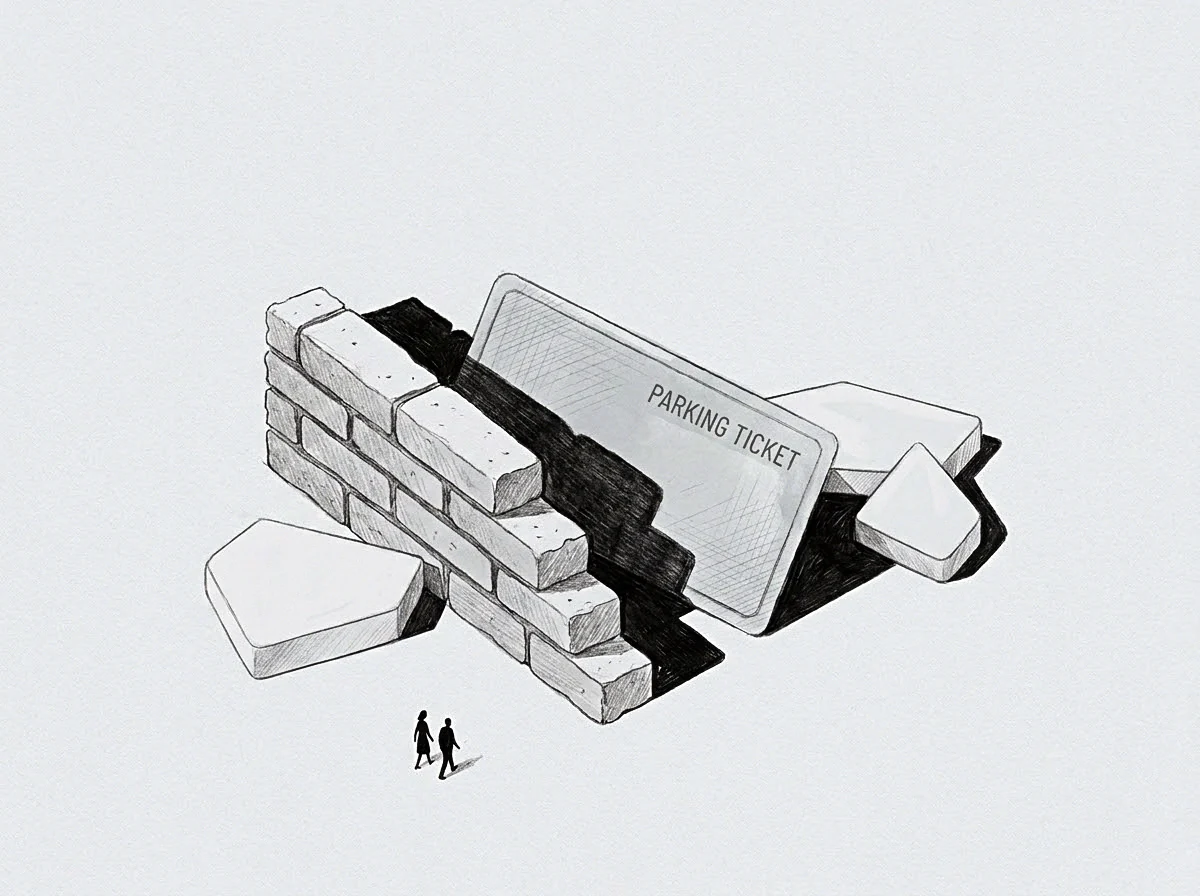
Cognitive lag represents the period of reduced efficiency that occurs when an individual redirects attention from one complex task to another. In operational terms, context switching recovery measures the minutes or hours required to regain full cognitive velocity after such an interruption. This latency is cardinal, measured in units of time, and it scales with the complexity of the tasks.
The boundary of its application lies where tasks are repetitive or automated, leaving no cognitive debt to be repaid.
Temporal Expense
Re-establishing mental focus demands systematic re-evaluation of task parameters. During context switching recovery, the mind must reconstruct the mental model of the previous state, which involves retrieving working memory assets that were suppressed. Operational protocols that force frequent changes in priority therefore generate compounding delays.
This degradation grows non-linearly with each added project.
Cognitive Debt
Resource allocation undergoes a severe shift when priorities fluctuate. The capacity of a professional to sustain deep analysis is compromised because residual activation from the prior task interferes with current processing. Organization-wide output drops when multi-tasking is treated as a default mode of work.
Protecting blocks of time prevents this friction.
Mitigation Strategy
Structuring dedicated work windows isolates distinct workflows. By limiting external notifications, teams reduce the frequency of attention interruptions. This approach enforces a high-throughput environment.
The return on focus increases as the duration of uninterrupted effort expands.