Meaning
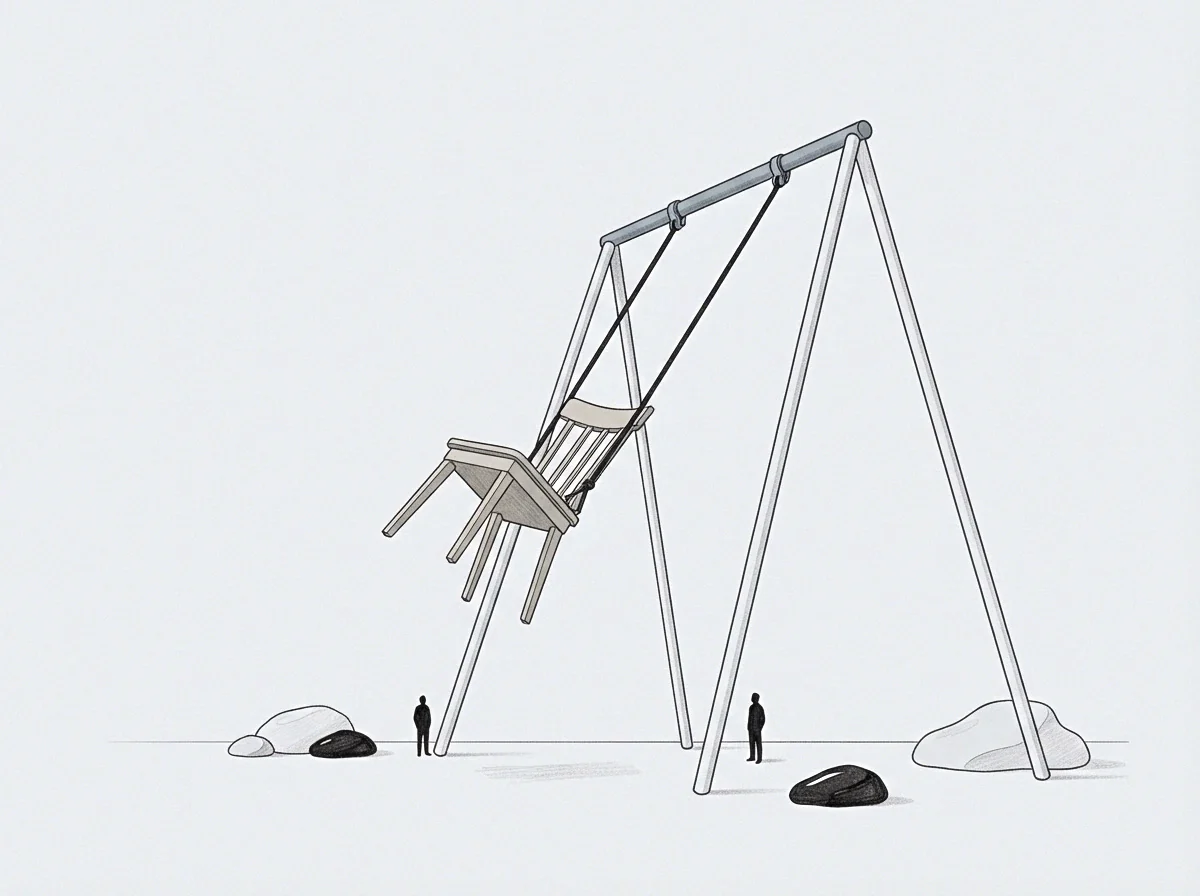
Psychological depletion of an executive’s capacity to make trade offs develops after prolonged exposure to recurring choices. This decline in cognitive energy is known as decision fatigue, which alters the quality of selections made during a working day. The phenomenon operates on an ordinal scale of capacity, where each subsequent resolution reduces the remaining pool of analytical focus.
It stops applying once a structured protocol or automated rule replaces active human choice entirely. In software and team management, the depletion shows up as a measurable drop in precision when founders face consecutive resource allocation choices.
Cognitive Cost
Depleted individuals tend to default to passive choices or avoid action altogether. While early decisions in a sequence show rigorous evaluation of variables, later choices in the same cycle display a strong bias toward the status quo. This pattern of decision fatigue appears as a gradient of declining scrutiny.
The capacity limit means that complex evaluation cannot be sustained indefinitely.
Systemic Friction
High rates of recurring intervention create organizational bottlenecks that slow operational velocity. This reliance on constant personal assent introduces a tax on daily throughput. Each delay in resolving minor matters reduces the speed of larger projects.
Mitigation Strategy
Establishing explicit boundary rules and pre-defined defaults preserves executive attention for high-value issues. Routine decisions can be shifted to automated algorithms or decentralized to autonomous team members. This action transfers the analytical burden from individual cognition to systemic design.
A structured environment lowers the cumulative demand on the leader.