Meaning
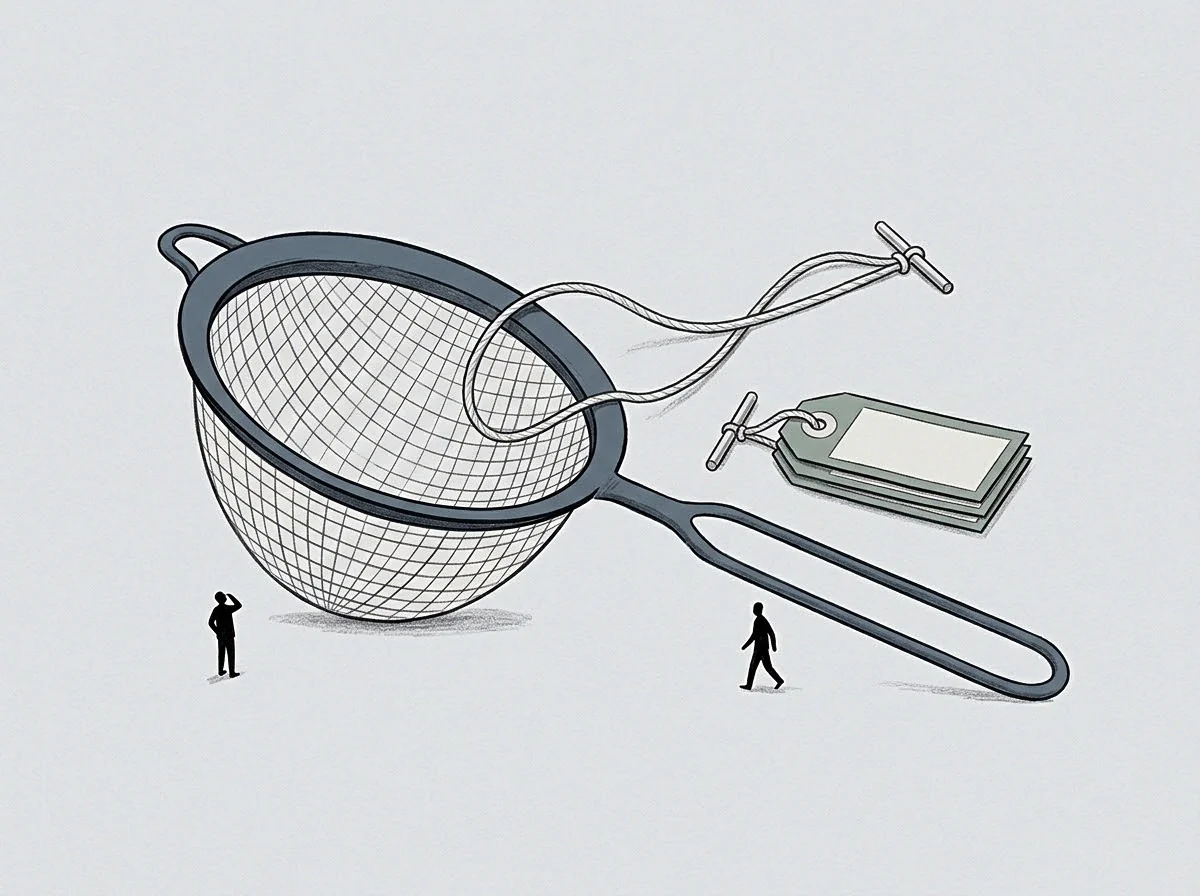
Reduction of output variety or complexity functions as a mechanism to stabilize internal systems during periods of high demand. Organizations implement deliverable contraction when the cost of maintaining a broad service catalog exceeds the marginal revenue generated by the least profitable items. The process defines the minimum viable output required to satisfy contractual obligations while shedding non-essential features that consume disproportionate energy capacity.
It marks the point where operational breadth stops and specialization begins.
Tactical Shrinkage
Strategic removal of features or secondary services allows a team to concentrate on primary value drivers. This form of deliverable contraction often follows a period of rapid expansion where the quality of peripheral offerings has begun to degrade. By identifying the specific components that contribute the least to the user experience but require the most maintenance, a manager can safely prune the offering.
Such action prevents the dilution of the brand and ensures that the core product remains stable. It is a decision based on the cardinal measurement of utility versus the attention hours required for upkeep.
Result Integrity
Maintaining high standards for a smaller set of outcomes provides more value than delivering many mediocre results. When deliverable contraction is applied correctly, the error rate in the remaining outputs typically drops as focus intensifies. This improvement occurs because the same amount of supervision and quality control is applied to a smaller surface area.
Precision increases when the scope is narrow.
Process Limit
Every system has a boundary where adding one more requirement causes the entire structure to fail. Deliverable contraction recognizes this limit before a breakage occurs. It operates as a safety valve in project management.
Once the limit is reached, the only way to maintain the timeline is to reduce the volume of work.