
Ordinal Prioritization Sequences for Core Enterprise Functions During Extreme Cash Contraction
Ordinal prioritization sequences rank enterprise functions by immediate cash generation speed and statutory compliance before funding secondary operations.
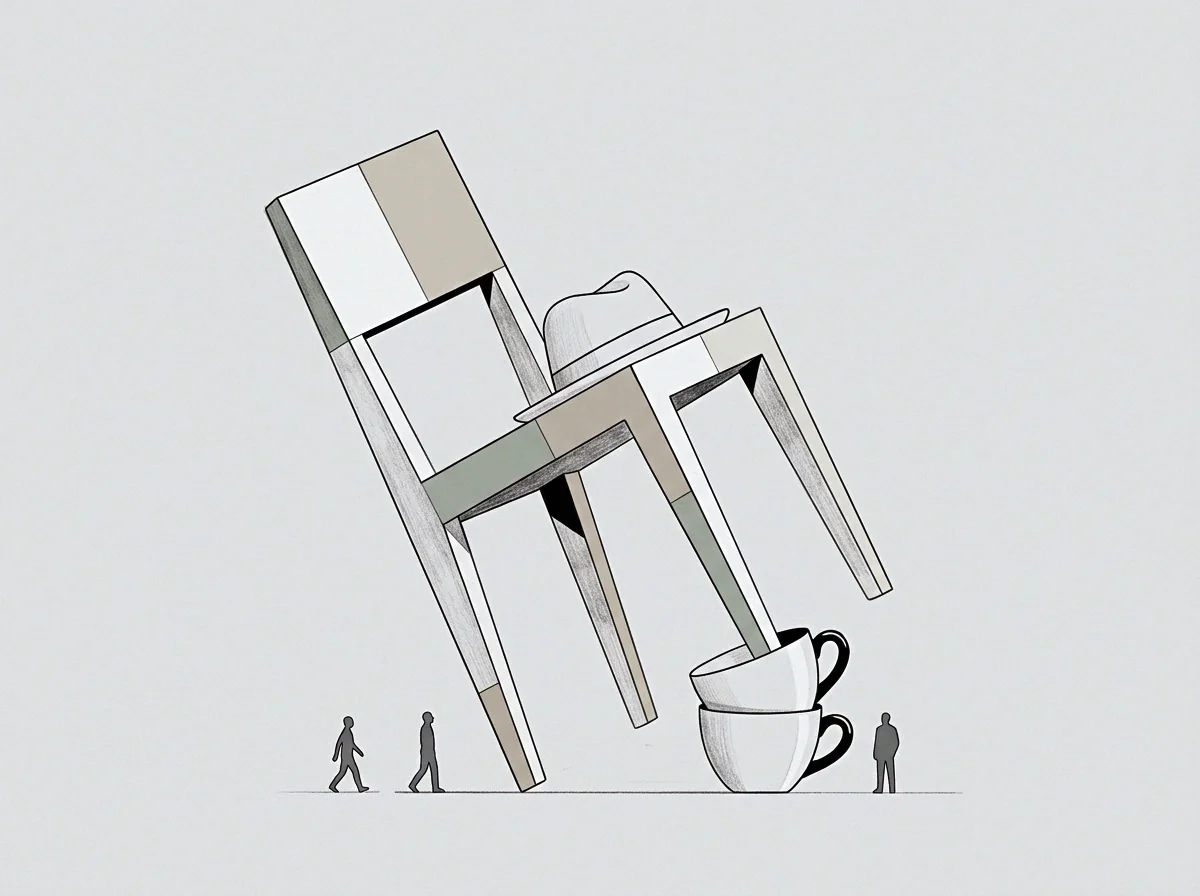
Triage
When an enterprise faces a sudden drop in available liquidity, uniform percentage cuts across every department fail. Trimming twenty percent from every budget line preserves administrative overhead while starving the functions that generate immediate gross margin. Survival depends instead on an ordinal hierarchy where functions either stay fully funded or get terminated immediately, based strictly on their direct tie to cash collection and legal compliance.
Uniform cuts often look defensible during board deliberations, but they damage high-performing and low-performing units indiscriminately. Reducing collections capacity by the same percentage as brand marketing removes the staff needed to extract receivables while keeping expenses that do nothing for near-term solvency. Evaluating functions ordinally ranks them by absolute survival requirement rather than budget share.
A function unable to convert operational effort into cash collection within thirty calendar days forfeits its claim to immediate capital preservation under severe liquidity contraction.
Functional triage divides enterprise operations into three distinct tiers:
- Primary solvency functions directly extract billed receivables, maintain core server infrastructure for paying accounts, or fulfill non-negotiable statutory tax filings that prevent personal liability.
- Secondary preservation functions sustain customer retention for high-margin contracts while deferring product development intended for distant fiscal periods.
- Extinguishable expansion functions include top-of-funnel outbound sales, brand positioning campaigns, non-statutory internal audits, and speculative engineering projects.
Shutting down non-essential activities immediately preserves working capital for primary solvency functions. Delaying these eliminations drains the treasury until the business can no longer support its baseline revenue engine.

Seat
Every position on an organizational chart carries fixed cash outlays in payroll, software licenses, and administrative overhead. Under severe cash contraction, each seat is evaluated strictly by its immediate contribution to incoming liquidity, cutting out duplicate coverage and speculative capacity intended for future growth.
Labor shifts immediately away from functional specialization toward basic survival tasks. Software engineers previously building prospective features move to critical system reliability and technical customer integrations, while account managers take over overdue invoicing and collections. Reallocating staff this way protects the firm from insolvency as baseline revenue declines.
Personnel remaining in active seats absorb multi-attribute workloads spanning client retention and direct treasury extraction until baseline operations stabilize.
Internal governance, long-range strategy, and brand advocacy lose funding entirely. The firm freezes vacant roles and cuts external contract labor across every department. Running on an absolute minimum headcount places heavy strain on the surviving team, who must maintain core functionality under compressed timelines.
Remaining staff members frequently push back or express confusion when shifted from their original roles into daily collections and account triage.
Sequence
Ordering enterprise operations during severe contraction requires a strict sequence based on conversion speed and statutory necessity. Continuing engineering cycles while debt collection stalls accelerates the decline toward zero liquidity. In practice, collecting receivables takes priority over contractual debt service, and statutory compliance outranks product continuity.
What Survives Complete Liquidity Compression?
Statutory tax obligations and employee payroll taxes take non-negotiable precedence over trade payables and commercial lease commitments. Defaulting on payroll taxes triggers personal liability for company directors under corporate governance law across most jurisdictions. Commercial vendors and unsecured creditors sit lower in the sequence because contract disputes take months to litigate, whereas statutory defaults invite direct administrative shutdowns.
| Enterprise Function | Ordinal Rank | Liquidity Velocity | Reactivation Latency | Preservation Priority |
|---|---|---|---|---|
| Accounts Receivable and Cash Collection | 1 | Immediate | Low | Full Retention |
| Statutory Tax and Payroll Governance | 2 | Defensive | High | Full Retention |
| Core Customer Infrastructure Maintenance | 3 | Medium | High | Restricted Footprint |
| High-Margin Customer Support Operations | 4 | Medium | Medium | Compressed Headcount |
| Speculative Product Engineering | 5 | Zero | High | Complete Elimination |
| Outbound Sales and Brand Marketing | 6 | Zero | Low | Complete Elimination |
Core customer infrastructure maintenance holds the third position in the sequence. If production servers fail, paying clients cancel contracts and shut down recurring cash inflows. Maintaining current uptime protects contractual renewal payments, whereas developing unreleased software features burns working capital without near-term monetary return.
A default on statutory payroll tax liabilities incurs personal director liability long before unsecured commercial vendors can obtain a court judgment.
Operational sequencing runs through four distinct phases:
- Treasury ring-fencing establishes direct control over outgoing disbursements, requiring executive authorization for any transaction exceeding zero dollars.
- Receivables acceleration applies aggressive early-settlement discounts to outstanding balances, trading paper margin for immediate bank balances.
- Discretionary expenditure freeze cancels software subscriptions, professional service retainers, and travel budgets across every department.
- Contractual debt subordination pauses unsecured creditor settlements to protect operational payroll for primary revenue operators.
Executing these sequence phases out of order quickly burns remaining capital. An operator who pays trade vendors before securing payroll reserves risks losing essential technical staff and forfeiting operational viability.
Standard commercial agreements generally include a thirty-day grace period, allowing cash-constrained firms to defer trade payables without triggering immediate service termination.

Runway
Slowing cash burn buys calendar time. Commercial leases, server capacity commitments, and software infrastructure carry high stated prices that can often be negotiated downward through direct counterparty discussions. While suppliers halt shipments when communication ceases, they routinely agree to extended payment plans when presented with structured settlement proposals.
Deceleration Mechanics and Capital Preservation
Carrying unneeded vendor contracts costs the enterprise operating days. Every thousand dollars of recurring software overhead cuts calendar hours off the remaining lifespan. Because existing commitments represent sunk capital, current management decisions focus strictly on future cash outflows, unlocking runway through aggressive contract renegotiation rather than external equity.
Preserving liquid capital takes precedence over maintaining contractual vendor relations when solvency reaches terminal boundaries.
Counterparties generally accept partial payment distributions when shown that formal insolvency proceedings would yield zero recovery for unsecured trade creditors. Maintaining regular communication with key suppliers preserves essential delivery pipelines while contractual terms undergo formal restructuring.
Protecting cash reserves immediately preserves the leverage needed to negotiate later.

Arrest
When capital contraction threatens complete insolvency, the business enters a state of operational arrest or functional hibernation. The enterprise strips away all variable activities, retaining only the corporate entity, intellectual property registrations, and baseline data storage. Payroll stops, leaving the firm with a single custodial operator or an unpaid corporate director.
By reducing its operational footprint to a defensive core, the enterprise insulates proprietary technology from creditor seizure. This posture eliminates active customer acquisition, public communications, and product iteration. Running at zero variable burn allows an enterprise to maintain corporate standing while leadership negotiates recapitalization, asset divestiture, or structured debt rehabilitation.
Whether an organization that has extinguished its operational capacity can recover institutional knowledge and customer trust following prolonged hibernation remains an open question across restructuring practice.