Meaning
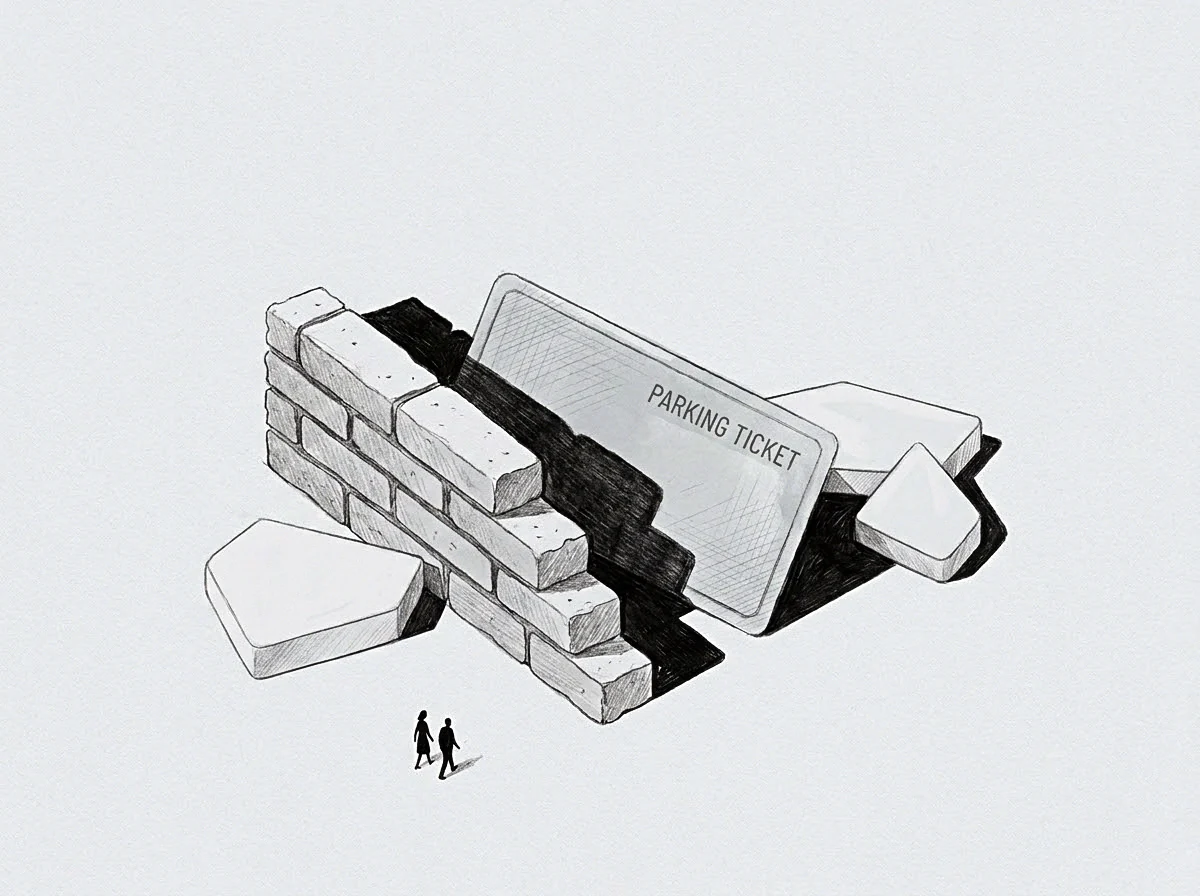
Compensatory payments represent agreed sums paid to a contracting party when a counterparty alters the agreed operational schedule or terminates a transaction prematurely. Contractual agreements use disruption fees to offset the losses incurred from lost velocity or reassigned resources. This metric is cardinal, expressed in currency, and it acts as a tool to stabilize planning horizons.
The scope of these charges is limited to situations where the disruption is unilateral and exceeds pre-established tolerance limits.
Resource Allocation
Unilateral changes in scheduling force service providers to absorb idle capacity costs. By imposing disruption fees, providers ensure that clients bear the financial consequence of their administrative delays. This transfer of risk encourages more disciplined planning and schedule adherence.
The resulting stability allows for better resource utilization.
Financial Settlement
Calculating these fees involves assessing both direct labor costs and foregone opportunities. A contract must specify the trigger events with absolute clarity to prevent disagreements during billing. When a client cancels a major project phase at the last minute, the penalty must be immediately enforceable.
This mechanism protects the bottom line from volatile client behavior.
Operational Boundary
Low-value contracts rarely include complex penalty clauses. As transaction value rises, the necessity of securing these protective clauses increases. The enforcement of these fees becomes a standard practice once dedicated assets are deployed.
Without them, sudden shifts in client demand can jeopardize entire quarters.