Meaning
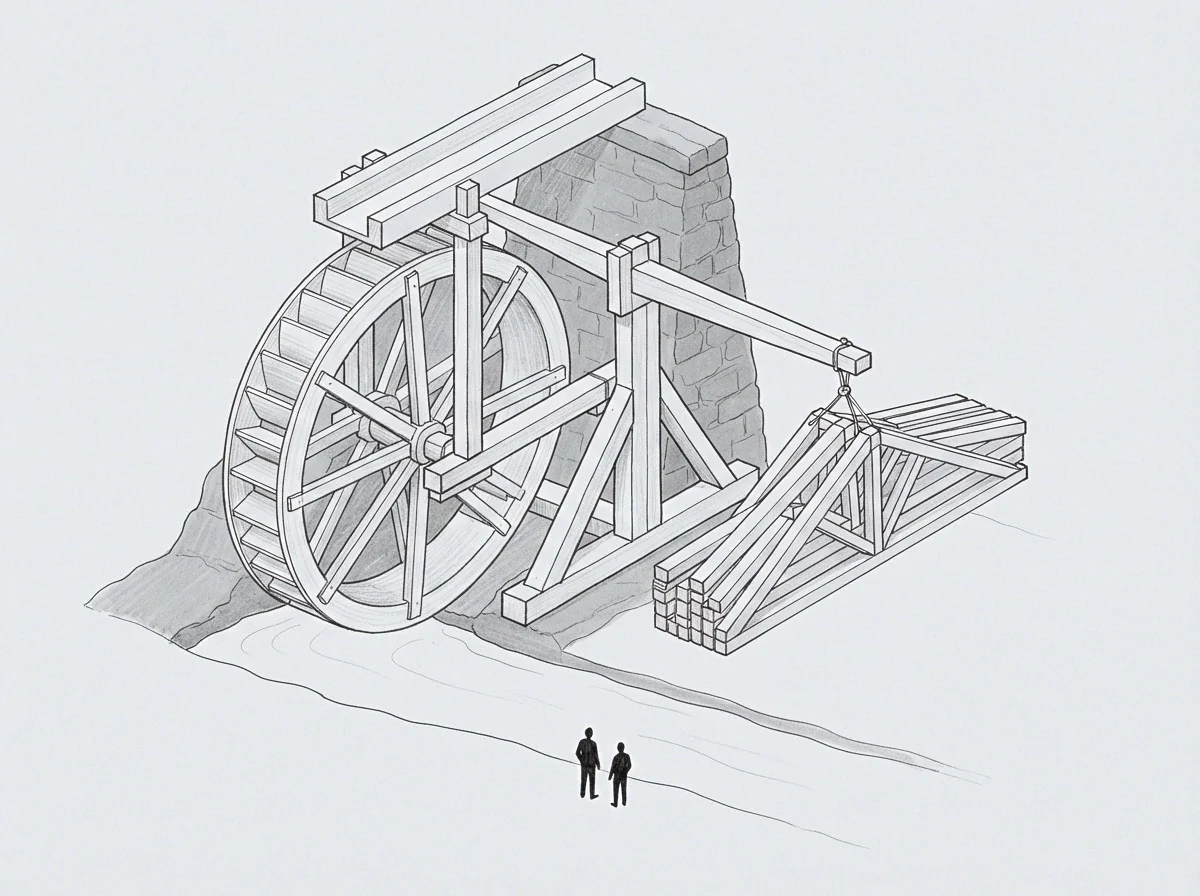
Dynamic operational perimeter defining the maximum strain an organization can endure before experiencing permanent structural degradation. This functional border marks the division between temporary, recoverable organizational stress and irreversible organizational injury. Founders use the elastic threshold to monitor whether organizational stretching, such as extreme cash burn or sustained overtime, can snap back to equilibrium.
The calculation stops applying when systemic changes permanently alter standard operations.
Stress Tolerance
Adaptive boundaries determine how much temporary pressure an operational unit can absorb. In calculating the elastic threshold, managers quantify the endurance limits of key assets, cash reserves and leadership attention. Operations can safely stretch past standard limits for brief tactical pushes.
However, lingering beyond normal boundaries drains the capacity to revert to healthy norms.
Rebound Capacity
Recovery mechanics determine whether stressed systems successfully return to resting states. Once an enterprise tests its elastic threshold, leadership observes how quickly core processes regain baseline cadence after the stress event subsides. Systems operating safely within limits snap back without losing institutional cohesion.
Inability to recover indicates that the organization has exceeded its safe operating margins.
Rupture Border
Breaching these operational limits precipitates structural failure. When an enterprise operates past the elastic threshold, key personnel resign, core software architecture degrades and organizational trust erodes. These outcomes leave permanent scars rather than temporary friction.
Measuring this limit warns leadership to reduce strain before systemic breakages manifest. Survival depends on respecting physical and organizational boundaries before structural damage becomes uncorrectable.