Meaning
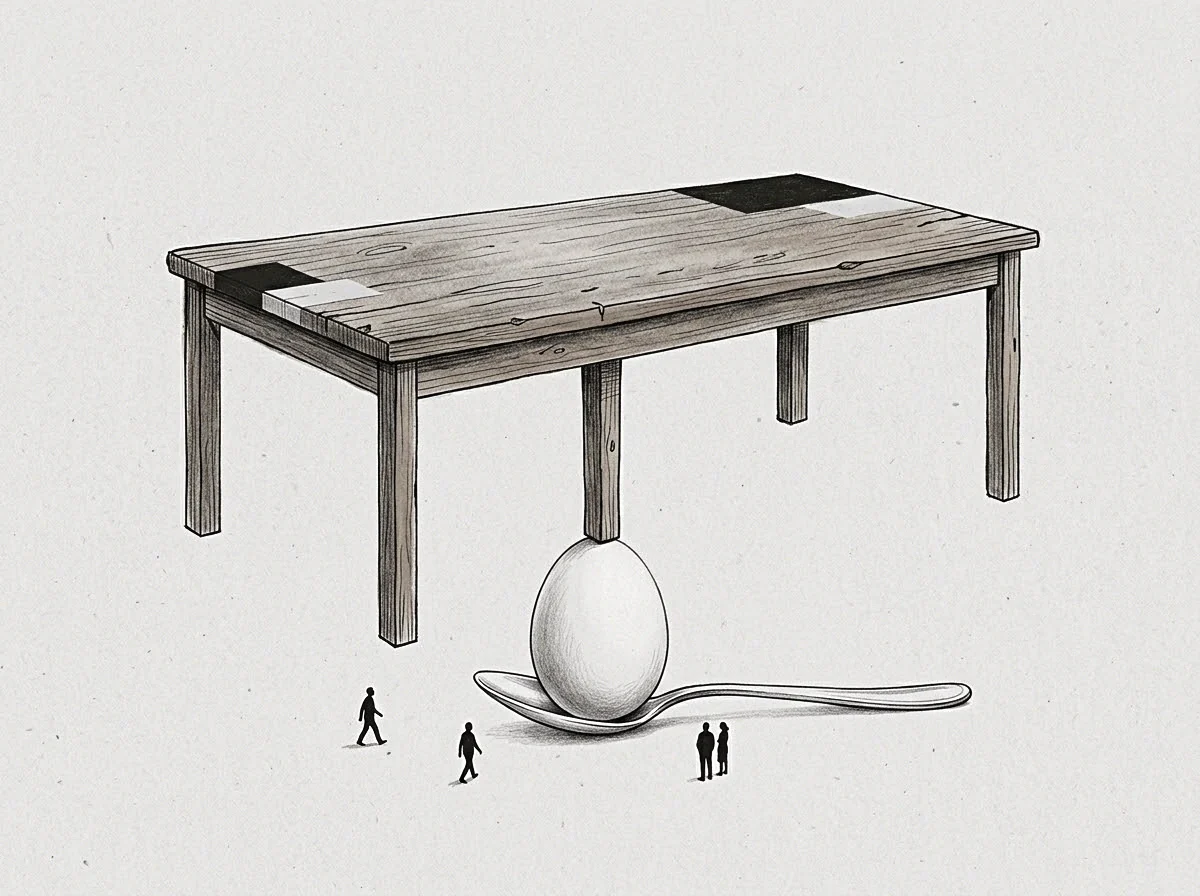
Value compared to the baseline that represents the loss of effort, attention, or capital occurring whenever work is converted from one form to another within a system. This phenomenon accounts for the discrepancy between the gross effort applied by a team and the net result achieved at the end of a cycle.
Friction Loss
Communication channels often act as the primary sites where energy dissipation occurs. When a message passes through multiple layers of management, some of the original intent and urgency is lost at each interface. Reducing these layers is the most effective way to minimize the loss and keep the collective focus on the primary task.
Capacity Leak
Waste shows up as interpersonal conflict or exhaustion when a system is poorly aligned. High energy dissipation creates a metaphorical heat that can damage the long term health of the organization by burning through the attention of its best people. Leaders who ignore this risk finding themselves with a company that consumes vast resources but produces very little.
Heat Effect
Efficiency is the primary goal of any process redesign. By tracking energy dissipation, a practitioner can see which parts of the company are most expensive to run in terms of human capacity. Small improvements in the transfer of information lead to large gains in the overall output.