Meaning
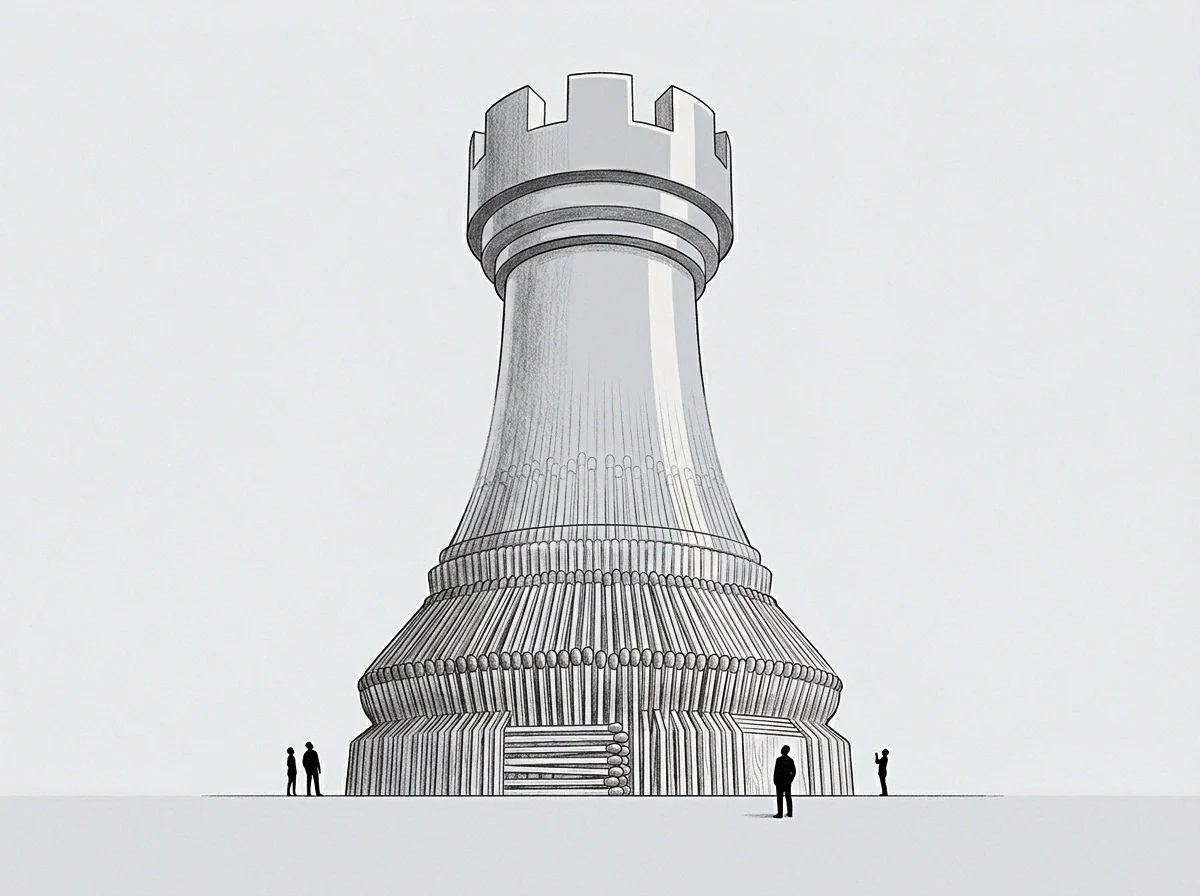
The gradual expansion of deliverable requirements occurs when a customer introduces new feature requests or service demands during the execution of a large corporate contract without corresponding budget adjustments. This phenomenon dilutes professional service margins, strains delivery schedules, and consumes resources that were allocated to other initiatives. Managing enterprise scope creep is a primary challenge in contract execution, requiring clear boundaries and structured change-control procedures to prevent margin erosion.
Project Distortion
Initial agreements often specify boundaries that become obscured during long-term implementation. Clients frequently request minor adjustments that, when combined, alter the project trajectory and inflate the workload. This drift undermines the predictability of the delivery timeline.
Financial Impact
The primary consequence of this drift is the inflation of labor costs without any increase in contract value. Uncompensated effort expended on unplanned features reduces the overall profit margin of the account, transforming a high-yield relationship into a financial drain. This risk is particularly high in multi-year service agreements.
Organizational Barrier
Preventing this erosion of value requires the establishment of a formal change management framework. When a request falls outside the contract limits, the project team must trigger a pricing revision or defer the request to a later phase. This practice protects the operational capacity of the service team.