Meaning
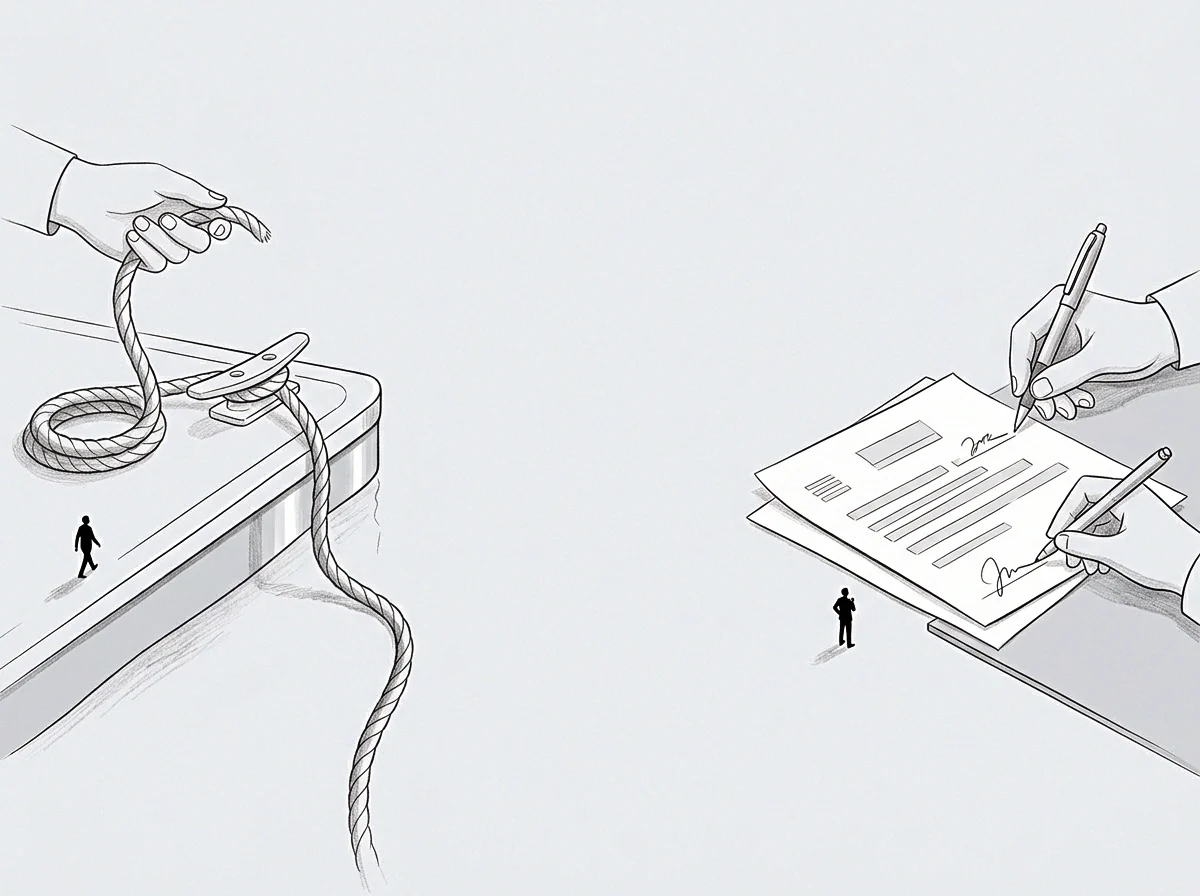
A voluntary suspension of operational activity identifies the status of an execution hold. This pause occurs when incoming feedback indicates a divergence between projected performance and current output quality. Senior personnel utilize this period to calibrate internal systems without accumulating further sunk cost or irreversible technical debt.
Operational Signal
The state functions as an ordinal marker on a quality control spectrum. By choosing to stop current output, a team confirms that existing defects require a systemic correction before production resumes. This decision prevents the compounding of errors that occurs when a broken process continues to generate volume at an accelerated rate.
Resource Allocation
Management applies this buffer to reorient personnel attention toward remediation rather than throughput. Because the halt removes the requirement to meet daily targets, the team redirects energy into root cause analysis and structural refinement. Such shifts in focus allow for a measured transition from maintenance to improvement without the pressure of active production cycles.
Boundary Condition
Institutional policy defines the duration of the pause by the successful verification of the specific metric that triggered the stop. An execution hold expires once the secondary diagnostic test returns within the acceptable tolerance range established during the initial design phase. Termination of the status marks the transition back to standard output modes.