Meaning
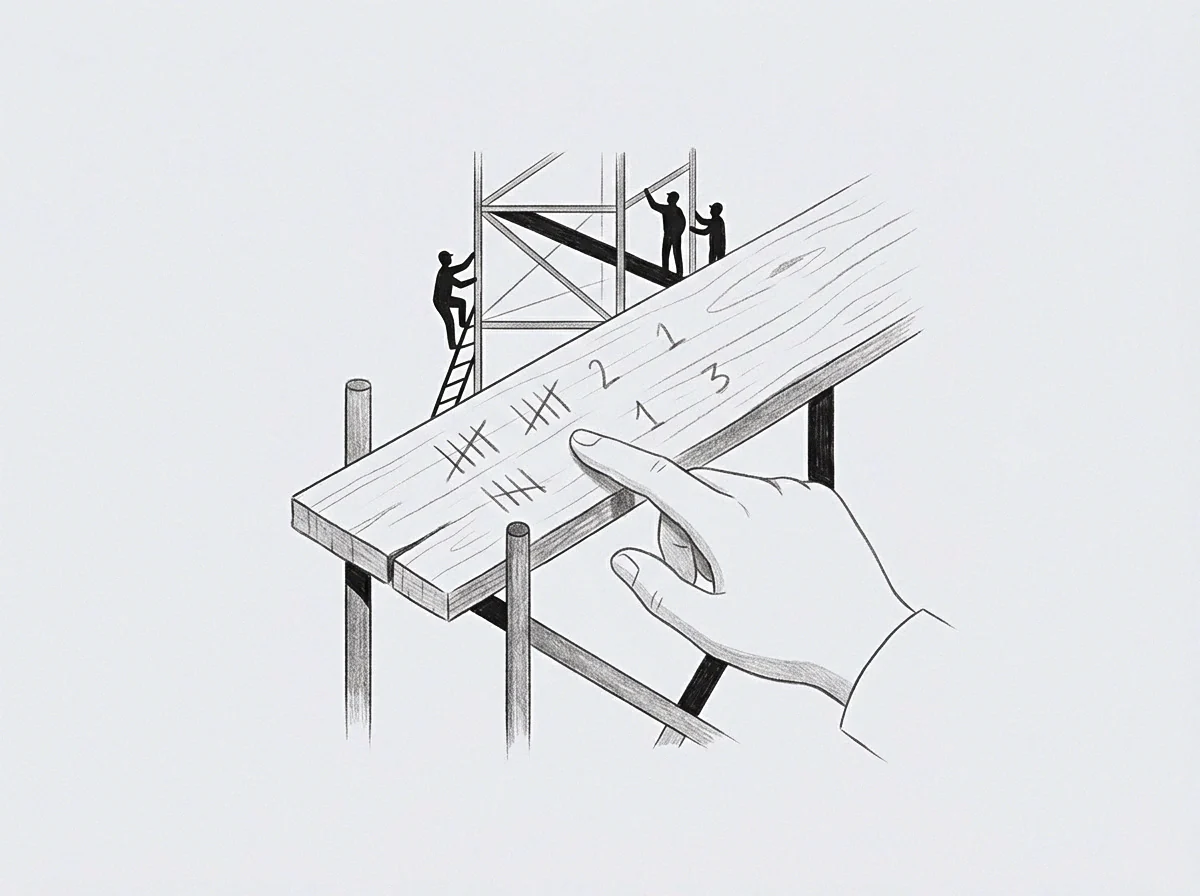
Input signal processing involves the systematic capture of output data to adjust the subsequent state of an operational cycle. This feedback serves as a recursive control mechanism that maintains alignment between target performance and realized outcome. The loop terminates when the variance between the two values reaches the minimum viable threshold.
Signal Precision
Information gathered from these loops remains distinct from validation, which confirms the initial premise rather than modifying the trajectory. A cardinal measurement tracks absolute variance, while an ordinal rank identifies the direction of the deviation. Observers treat the stream as raw data rather than as a judgment on the capability of the system.
Loop Dynamics
Calibration of the cycle happens through the constant comparison of the actual output against the established baseline. Latency in this loop generates a drift between current operations and intended results, potentially forcing a restart of the entire process if the gap exceeds the system threshold. Small signals allow for incremental shifts, whereas high volume inputs often force structural reconfigurations to keep the output stable.
Measurement Variance
Quantifying the distance from the target value allows for precise resource allocation in areas requiring the most stability. An accurate reading relies on the isolation of the signal from noise in the environment, ensuring the adjustment responds to systemic reality rather than transient volatility. High fidelity inputs provide the granular data necessary for the maintenance of long-term equilibrium.