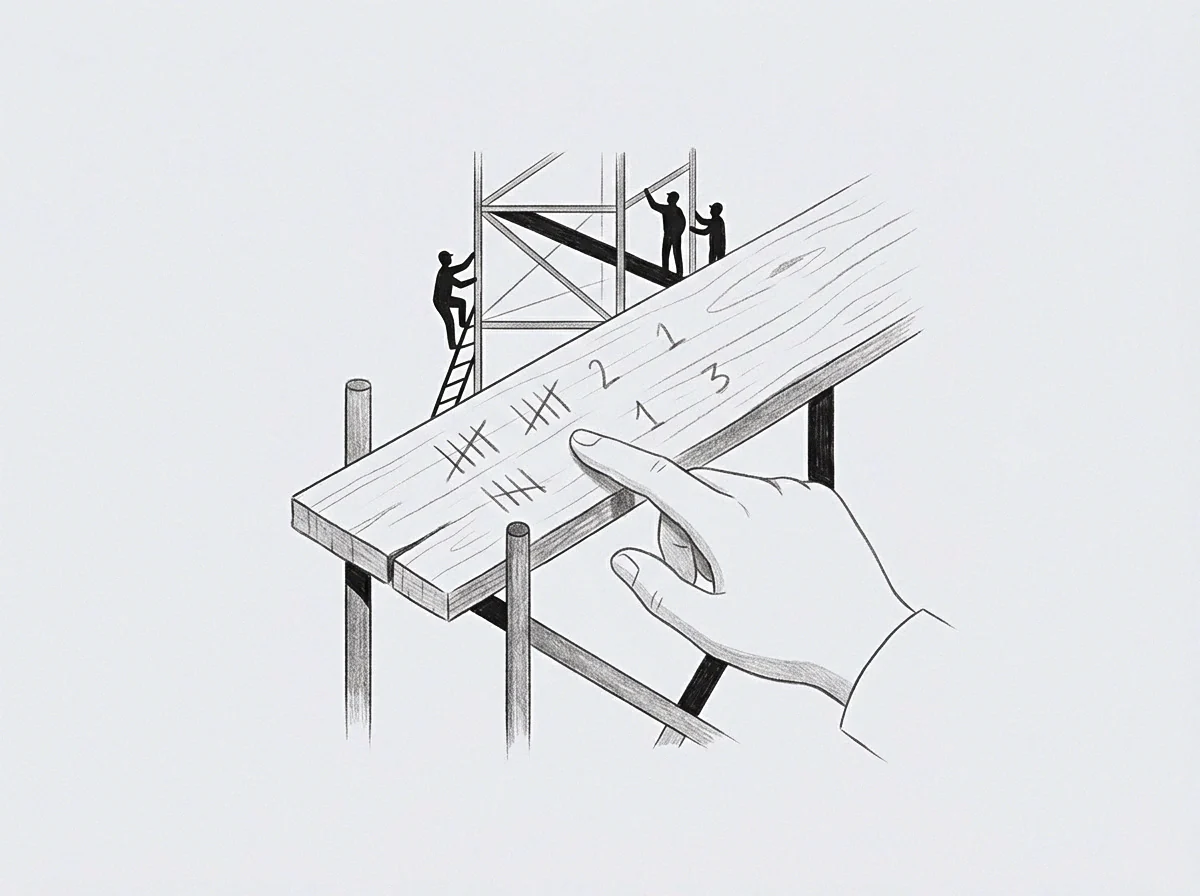
Meaning
Operational fluctuations measure the degree to which individual outcomes in a process differ from the expected average. Calculating system variance helps a founder distinguish between a stable process and one that is out of control. This measurement captures the spread of data points around a mean.
It indicates the reliability of a particular operation.
Process Stability
Stable systems produce results that fall within a predictable range. High system variance suggests that external factors are influencing the output or that the internal logic is inconsistent. Reducing this figure leads to more predictable results.
Analysts look for the causes of these deviations to improve overall quality.
Calculated Deviation
Mathematical models use the square of the standard deviation to express how much a set of numbers is spread out. A system variance of zero would mean every outcome is identical. Because real world operations always involve some noise, a low but non zero figure is the standard goal.
Control Limit
Defining the boundaries of acceptable variation helps in identifying when a process needs adjustment. When system variance exceeds these limits, it triggers a review of the underlying mechanisms. Accurate tracking of these figures prevents unnecessary interference in a healthy process.
Consistent measurement is the only way to verify that a system is behaving as intended. Every process has a natural limit to its consistency.