Meaning
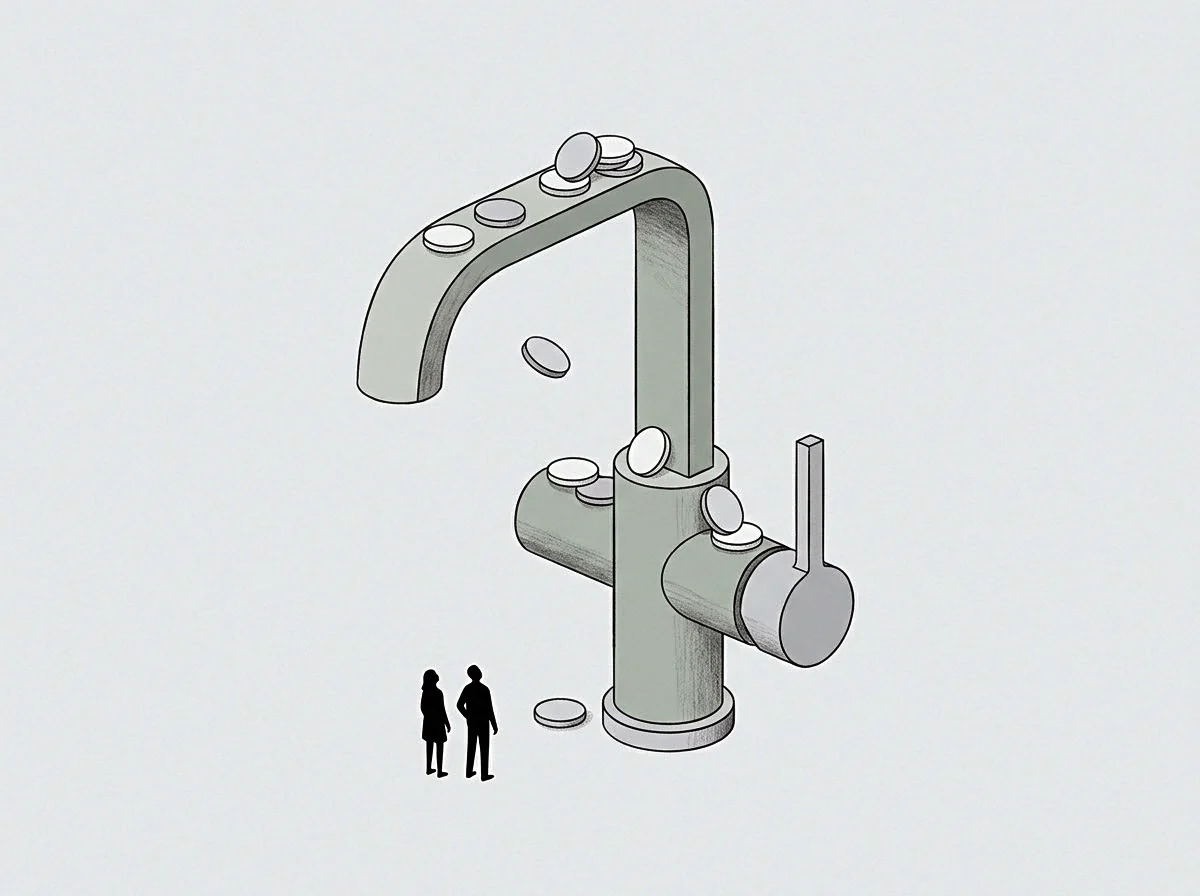
Corporate operational states describe the intentional reduction of business activities to a minimal maintenance level without dissolving the underlying legal entity. In post-founding governance, functional hibernation represents a planned period where active product development, marketing and sales operations pause to preserve capital reserves during extended market downturns or pivot transitions. The entity retains its corporate charter, tax registration and proprietary intellectual property while operational overhead drops to statutory minimums.
This state ends when active commercial operations resume or when formal liquidation proceedings begin.
Resource Preservation
Fixed overhead obligations contract sharply when an organization shifts into a preserved state. Payroll expense drops as staff contracts end, while software subscriptions and office leases are terminated or scaled back. Cash burn rates stabilize at a nominal baseline sufficient only to pay mandatory annual filing fees, legal retainers and minimum software hosting costs.
In functional hibernation, financial resources remain locked until defined market triggers justify re-deploying capital into active operations.
Activation Condition
Restarting operations requires pre-established capital thresholds or verified market signals. Without clear triggers, an entity risks remaining in a static posture until maintenance expenses exhaust remaining cash.
Operational Limit
Regulatory compliance schedules impose hard boundaries on how long a dormant entity can maintain non-trading status. Regulatory authorities in many jurisdictions mandate active reporting and minimum annual filings regardless of commercial activity levels. Prolonged inactivity damages vendor relations and degrades proprietary technical knowledge as software dependencies become obsolete.
The posture cannot protect an entity against external debt claims incurred prior to entering dormancy.