Meaning
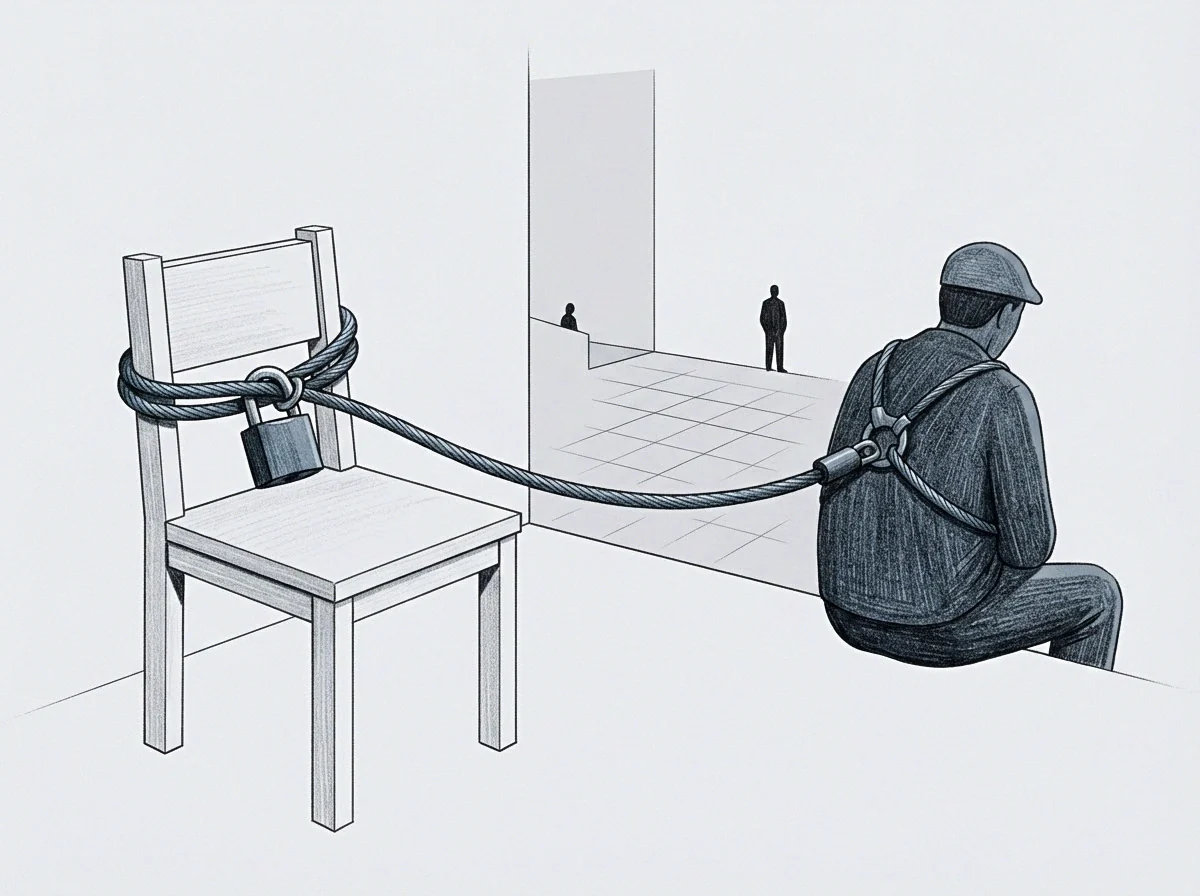
Delays in decision making result from the checks and balances required by a formal oversight structure. Within an established board or committee, governance friction represents the interval between a proposal and its final approval. This latency is a deliberate design choice meant to prevent concentrated power or hasty errors.
It measures the time cost of consensus against the benefit of a vetted strategy.
Decision Quality
Slower processes allow for the identification of hidden risks. Governance friction forces the proposer to provide detailed evidence and anticipate objections from diverse stakeholders. This period of reflection often results in a more durable final plan compared to a unilateral decision.
The cost of time is paid to buy certainty.
Institutional Weight
Larger organizations experience higher levels of this resistance due to the number of nodes in the approval chain. Governance friction can lead to a loss of competitive speed in rapidly changing markets. Managers must decide which decisions require the full weight of the board and which can be handled with more agility.
The balance defines the culture of the firm.
Power Balance
Oversight remains effective only if the resistance is consistent for all actors. If an executive can bypass the controls, the governance friction is unevenly applied. True friction ensures that even the highest ranking officials are subject to the same review.