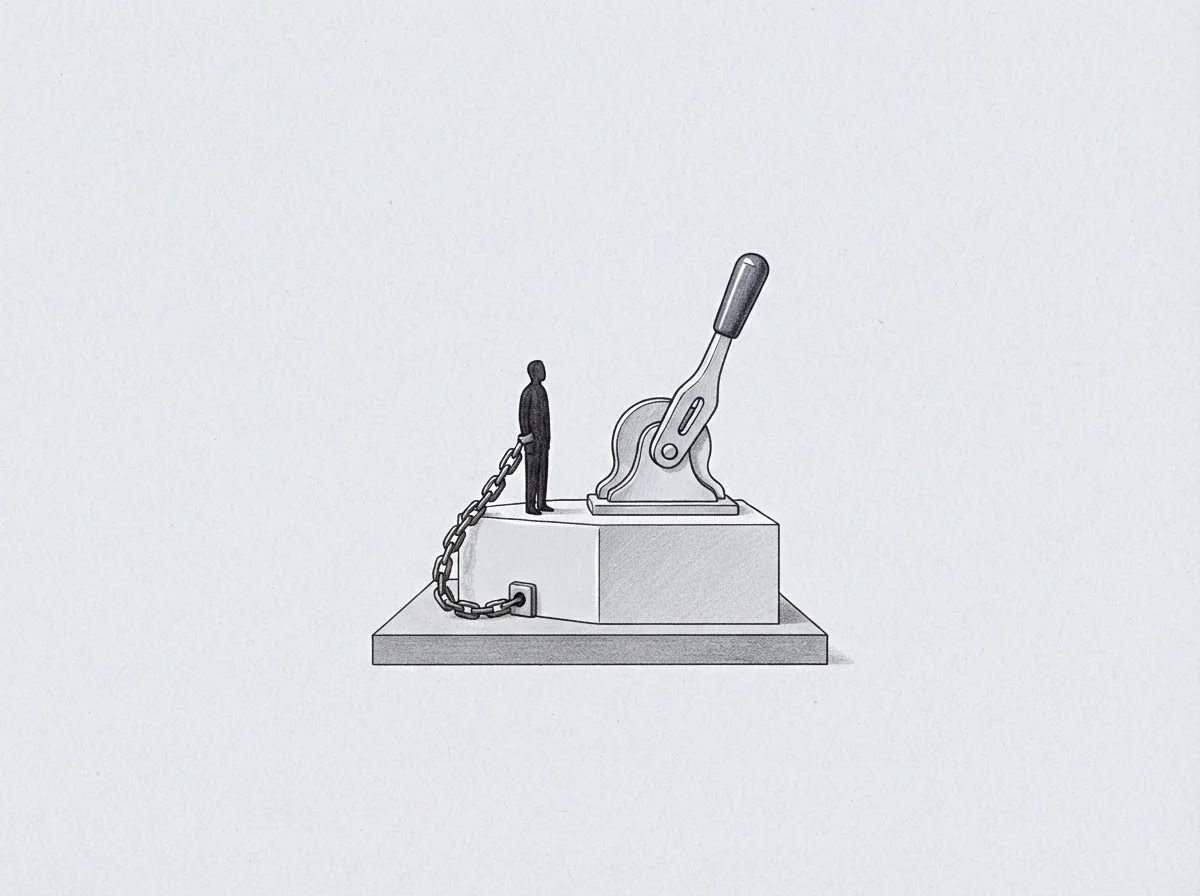
Meaning
Standard operational cadence contrasts sharply with environments where transaction volume and environmental feedback occur in millisecond or hourly intervals. Operating within a high frequency domain subjects management systems to continuous data streams that render monthly accounting cycles obsolete. Founders transitioning to advisory roles evaluate these environments using cardinal event counts per unit time to determine automated system demands.
The domain requires programmatic decision rules because human cognitive processing times exceed observation intervals. The concept ceases to apply when operational cadence drops to human-paced decision cycles where deliberate reflection overrides automated execution.
Metric Streaming
Continuous telemetry demands distinct analytical paradigms to separate structural signals from transient background noise. In a high frequency domain, performance vectors fluctuate rapidly across minor time intervals, creating gradients that mislead uncalibrated observers. Decision architectures built for long-term strategic deliberation fail when deployed against high-velocity data flows.
Automation handles routine adjustments while human oversight restricts itself to parameter configuration and risk boundary enforcement.
Capacity Strain
Resource consumption shifts from deliberate strategic planning to infrastructure maintenance and systemic latency reduction. Operational stress manifests in high frequency domain environments when processing pipelines encounter throughput bottlenecks during peak activity volumes. Systemic failures compound rapidly if automated circuit breakers fail to isolate operational errors.
High capital reserves are required to maintain processing redundancy across high-speed transaction networks.
Application Ceiling
Scope boundaries trigger when automated system execution yields to manual policy approval. Lower transaction density shifts the operating context back to conventional planning cadences.