Meaning
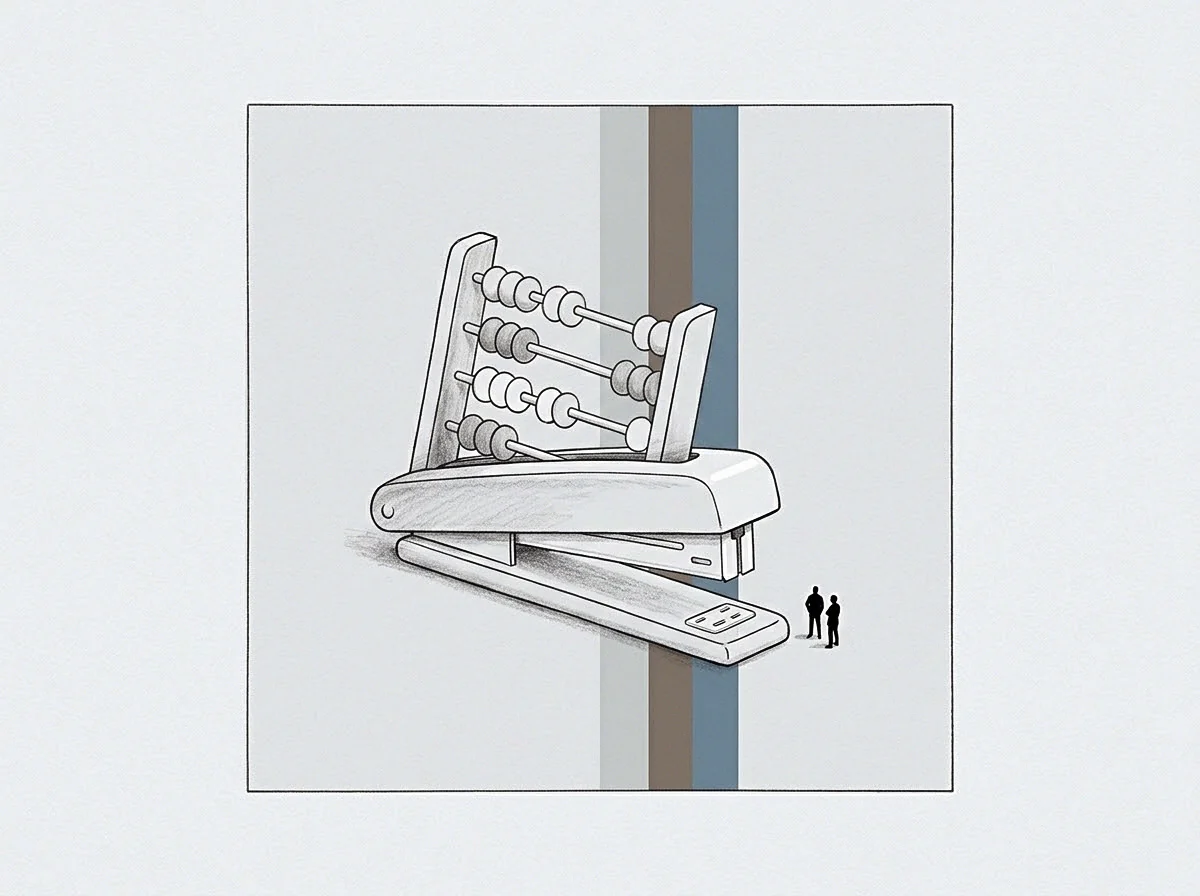
Inventory maintenance represents the financial overhead associated with keeping unsold goods in storage over a specific duration. This holding cost covers expenses such as warehousing rent, insurance premiums, climate control energy, and staff wages for facility management. The capital tied up in stored items constitutes an opportunity expense, as funds directed toward stagnant inventory remain unavailable for other operational deployments.
Capital Velocity
Financial models track this metric to determine the efficiency of capital cycles within a product distribution network. Every day an asset remains in storage, the total expenditure grows while the relative value of that liquidity diminishes. Founders monitor these figures to calculate the point where internal storage capacity exceeds the profit potential of the remaining stock.
Periodic adjustments to order quantities mitigate the accumulation of these overheads.
Temporal Friction
Market demand fluctuations force firms to reconcile production output with actual consumption rates. Excess supply creates a drag on growth because the resources required to maintain the status quo divert attention away from product development or customer acquisition efforts. Rigid manufacturing schedules often produce this condition, leading to a surplus that stays on the books long after its optimal sale window closes.
Optimization Logic
Mathematical analysis of this phenomenon involves weighing the price of frequent reordering against the expense of bulk accumulation. High turnover rates reduce the time an asset exists as dead weight, thereby keeping the delta between production and sale minimal. Minimizing the storage interval functions as an effective strategy for preserving liquid resources.
Effective management of this constraint ensures that current inventory levels match immediate market throughput.