
Ordinal Cost Vectors and Transmission Loss When Systemic Operational Friction Constrains Organizational Velocity
Operational friction degrades organizational velocity by converting functional effort into administrative drag, causing severe transmission loss across tiers.

Drag
A software deployment stalled for fourteen consecutive weeks while monthly server bills remained flat at four thousand dollars. The accounting ledger recorded stable operational expense. Inside the company, two engineering leads spent thirty hours each week manually reconciling divergent database schemas created by uncoordinated departmental purchases.
Internal capacity evaporated. Attention vanished. The operational velocity of the product team dropped toward zero because every release required manual verification across seven disconnected internal tools.
Financial statements registered no distress during this quarter, yet the organization lost its competitive deployment cadence.
Every operational expenditure manifests along several distinct dimensions at once. Traditional accounting recognizes cardinal figures: wages dispersed, software licenses renewed, rent cleared on the first day of the calendar month. A team experiences an ordinal cost vector, an ordered ranking of internal resource outlays where components resist simple mathematical summation.
These components include spent hours, depleted cognitive reserves, deferred technical capabilities, and eroded organizational attention. An ordinal ranking indicates which activity extracts a higher toll than another without reducing the toll to an identical monetary digit.
Systemic resistance compounds whenever operational handoffs multiply across organizational boundaries without unified oversight.
When systemic operational friction constrains collective movement, the internal burden of executing basic workflows escalates. An executive reads a static project price on a vendor invoice and assumes parity with internal generation. Meanwhile, the administrative friction of integrating that vendor consumes ninety hours of unbudgeted staff coordination.
The vector points downward. Ten hours disappeared. The ledger records cash alone, hiding the progressive exhaustion of human energy that prevents new strategic initiatives from starting.
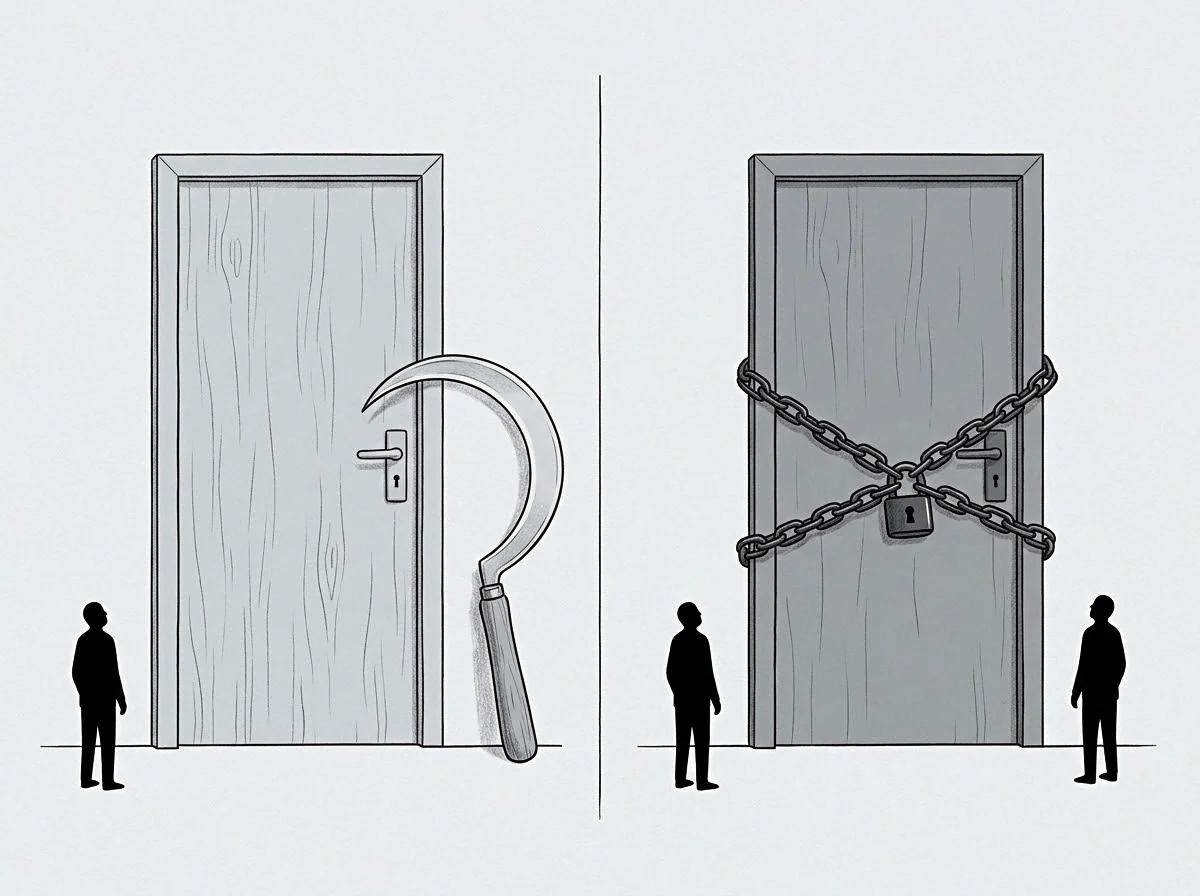
Measurement Disconnect in Administrative Stasis
Administrative delay behaves like physical friction in mechanical systems, turning productive energy into latent heat. A four-day wait for security approval does not register on an expense report. It forces the engineering group to pause execution, store mental state, and switch between unrelated tasks while awaiting clearance.
This switching burden degrades cognitive stamina across the entire working quarter.
Direct monetary expense remains easy to share across desks because a currency figure carries a cardinal consensus. Internal organizational tolls fail to survive transmission between departments because individuals lack a shared currency for exhausted focus and lost momentum. The finance department evaluates an operational change by its visible price tag, whereas the product team experiences the change as an unbearable expansion of procedural resistance.
When leaders optimize exclusively for cardinal balance sheets while ignoring ordinal vector outlays, institutional paralysis follows quietly.

Wire
Signals passing through an electrical conduit lose amplitude as resistance increases along the conductor. Organizational communication exhibits identical decay when instructions, context, and intent move through sequential supervisory tiers. A directive established by an executive committee arrives at the execution layer stripped of its underlying rationale.
The team receives an arbitrary instruction, lacking the context needed to exercise independent judgment when local conditions contradict the original mandate.
This transmission loss expands exponentially with every reporting layer interposed between strategic design and physical execution. The operator waited four days. When systemic resistance clogs internal channels, messages suffer three distinct corruptions during transit:
- Semantic truncation occurs when intermediary supervisors condense technical qualifications into blunt directives, stripping out the operational boundaries established by initial planners.
- Priority displacement emerges as local team leads reorder tasks to protect their immediate unit throughput, subordinating collective organizational velocity to departmental self-defense.
- Temporal latency extends the calendar duration between a strategic decision and frontline action, rendering market information obsolete before teams initiate work.
Each corruption tier extracts resources that never appear in annual budgets. A team leader attempts to communicate the internal strain of working around obsolete software, describing forty hours spent fixing broken export files. The senior executive hears only that the report arrived on time.
The ordinal reality of the team’s exhaustion cannot convert into the cardinal reporting formats demanded by executive governance. The signal attenuates entirely at the managerial boundary.
Information integrity decays in direct proportion to the number of administrative nodes a directive traverses.
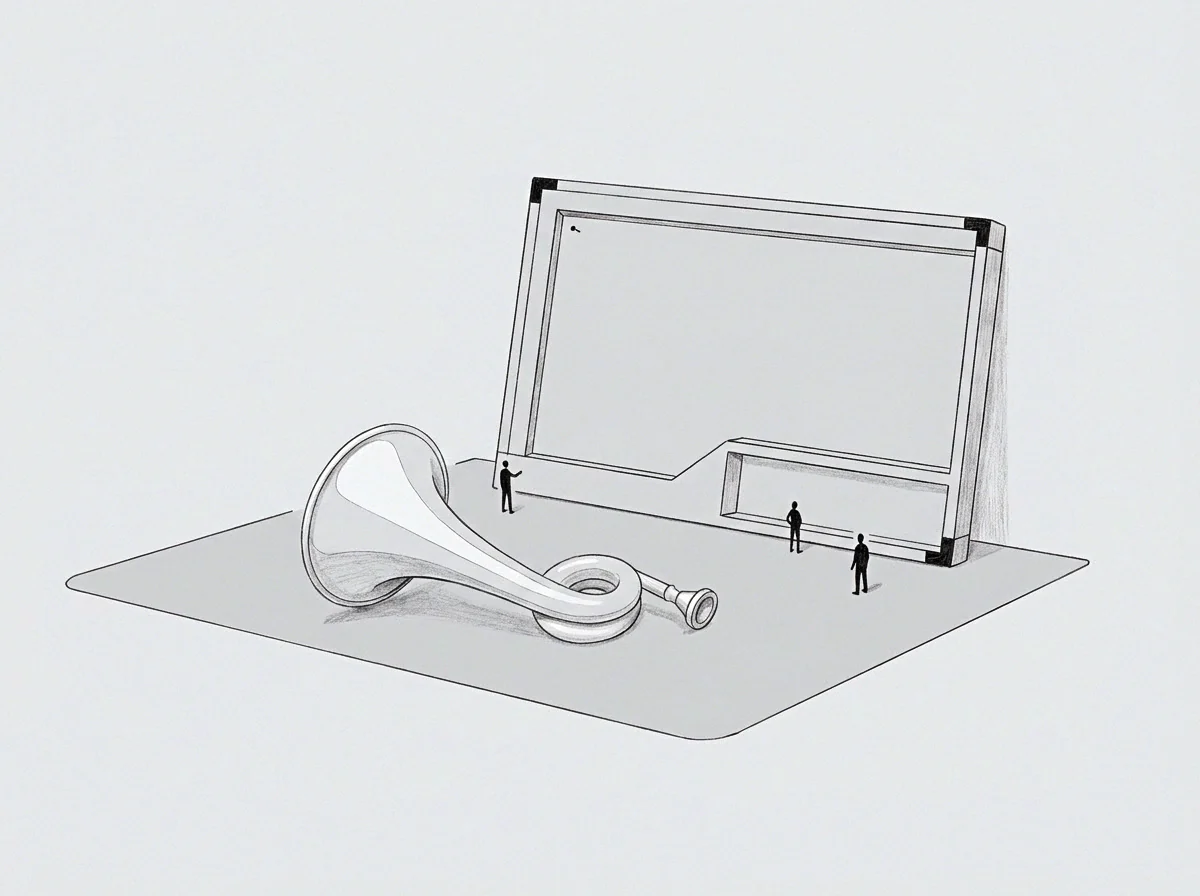
Structural Decoupling Across Departmental Boundaries
Departmental silos operate as isolated circuits with disparate impedance ratings. When one unit attempts to push a priority into another unit without equalizing operational capacity, institutional friction spikes. The receiving group perceives the request as an uncompensated extraction of focus, responding by erecting defensive administrative hurdles, mandatory tickets, review panels, and formal intake queues.
These defensive hurdles function as localized resistance networks designed to shield department members from unplanned work. While protecting local sanity, they destroy organizational velocity. Inter-departmental projects grind to a halt because passing work over the threshold requires more energy than completing the technical labor itself.
An organization caught in this pattern burns vast amounts of fuel while covering zero developmental distance.
The counterparty across the conference table regards these procedural delays as deliberate obstruction rather than the natural survival reaction of an overwhelmed staff unit.
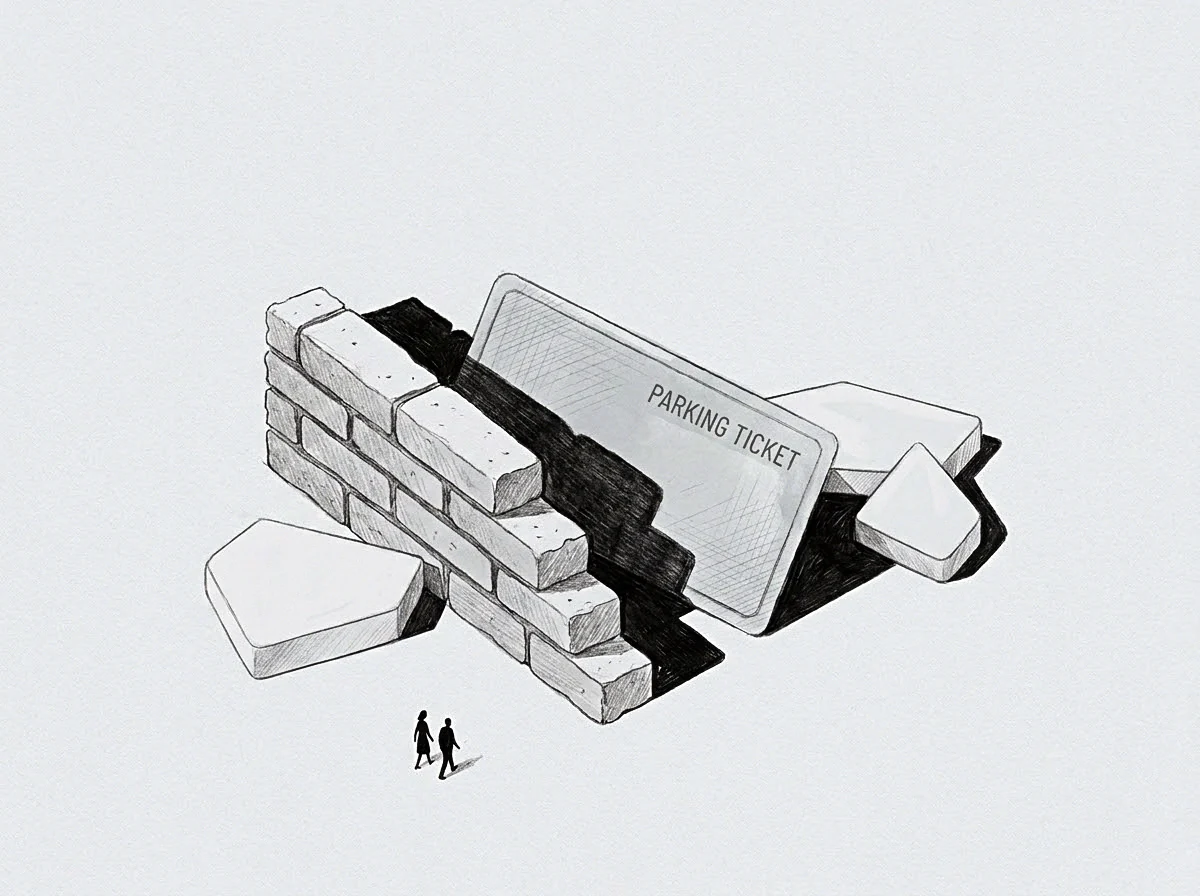
Floor
Grounding an operational analysis demands comparing how differing structural arrangements handle informational and administrative resistance. Some organizations establish strict bureaucratic checkpoints to control financial outlays, accepting severe operational drag. Alternative structures flatten communication pathways to maintain velocity, accepting higher localized variances in cash spending.
Evaluating these structures requires analyzing how the ordinal vector of effort translates into actual delivery.
Consider two operating conditions evaluated under identical strategic mandates. In the first condition, rigid procurement policies force every software tool acquisition through five sequential approval committees. In the second condition, autonomous unit directors deploy local discretion within predefined budgetary bounds, reporting expenditures post-hoc.
| Operating Arrangement | Ordinal Vector Burden | Cardinal Price Outlay | Velocity Retention Rate |
|---|---|---|---|
| Centralized Committee Verification | Severe cognitive depletion, extreme coordination delay | Strictly capped, predictable variance | Eleven percent of planned quarterly cadence |
| Decentralized Unit Discretion | Moderate local monitoring, minimal task switching | Higher variance, occasional duplicate spending | Seventy-six percent of planned quarterly cadence |
| Hybrid Milestone Governance | Concentrated review phases, preserved execution blocks | Balanced expenditure within stated tolerances | Fifty-eight percent of planned quarterly cadence |
The centralized model appears financially prudent on monthly balance sheets because cardinal spending remains tightly constrained. Yet the organizational velocity drops precipitously. The third party paused.
Speed dropped to zero. Engineers spend their highest-leverage cognitive hours preparing documentation for administrative committees rather than building core platform capabilities. The hidden extraction falls upon employee morale, innovation cycles, and response speed to competitive pressures.
Unstated administrative overhead guarantees that projects overrun temporal allocations while meeting nominal balance targets.
Under decentralized governance, nominal financial spending shows higher variation, including occasional duplicate tool licenses. However, organizational throughput remains buoyant. Teams resolve operational roadblocks locally without waiting for distant executive bodies to grant clearance.
The vector of expended effort maps directly to functional output rather than bureaucratic negotiation. A founder evaluating these structures must recognize that cash savings achieved through administrative friction frequently represent severe losses in collective market momentum.
A formal governance clause specifying that internal approvals expire automatically after seventy-two hours restores frontline autonomy by converting administrative silence into tacit operational authorization.
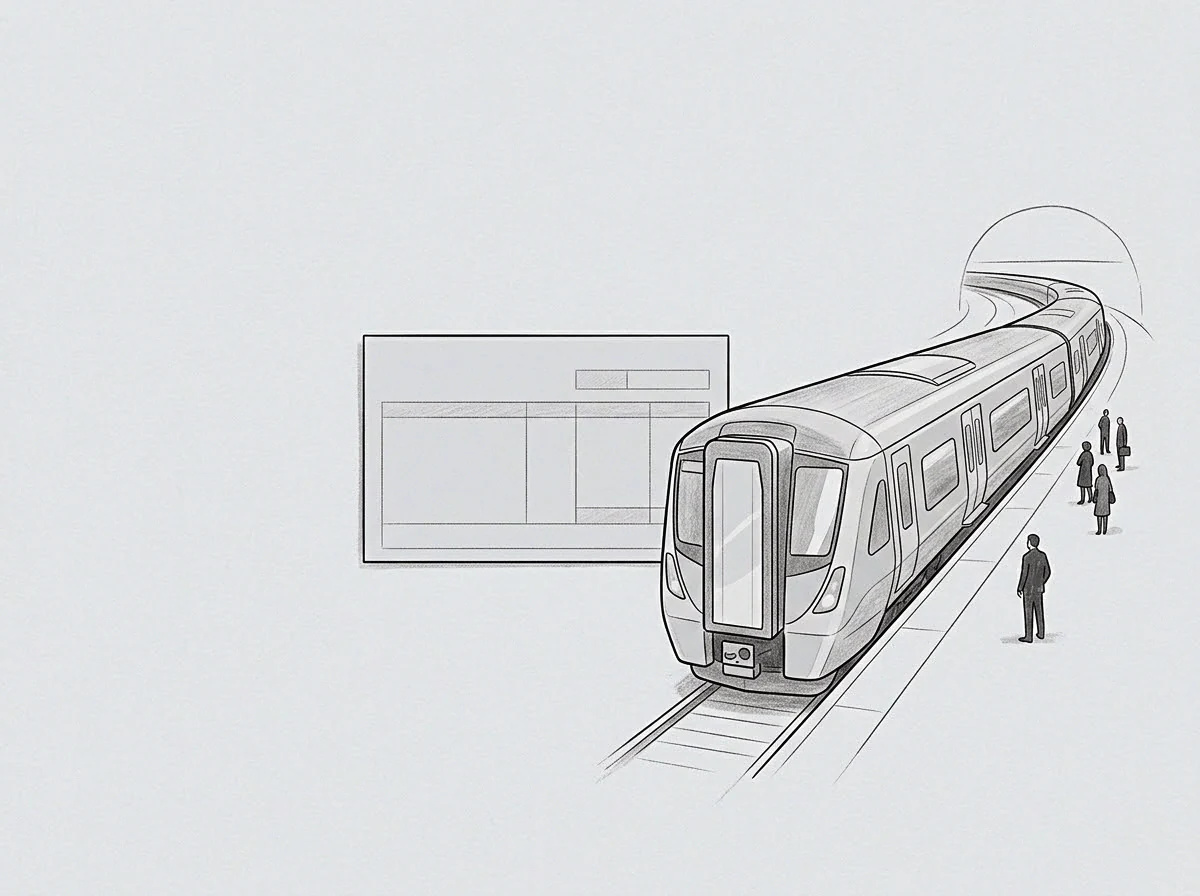
Slack
Reserve capacity within an operational system prevents local delays from cascading into systemic paralysis. When leadership runs an organization at maximum theoretical utilization, every person scheduled to capacity, every server running near thermal thresholds, any single disruption ripples through the entire enterprise. A minor vendor delay halts testing, which delays deployment, which consumes scheduled client onboarding slots.
Friction compounds across handoffs.
An enterprise operating without systemic reserve resembles a congested highway where a single tapped brake pedal triggers miles of stop-and-go traffic. In human organizations, the absence of operational cushion forces workers to spend their days triaging emergencies rather than advancing core strategic vectors. High utilization rates look efficient in managerial presentations, but they strip the organization of the resilience needed to absorb routine volatility.
- Coordination buffers absorb communication latency between cross-functional units by establishing decoupled sprint schedules and clear interface standards.
- Attentional protection reserves blocks of uninterrupted calendar time, insulating engineering and product teams from continuous reactive messaging.
- Financial contingencies allow rapid deployment of temporary capital to eliminate sudden logistical logjams without convening executive steering committees.
Preserving these buffers carries a cardinal price tag that insecure leadership teams routinely attempt to cut. Eliminating spare capacity appears to save immediate operational expenditures. In practice, running lean without structural slack converts routine tasks into multi-week political struggles over competing priorities.
The ranking holds firm. Internal capacity shrivels when every team must defend its narrow calendar against incoming company requests.
Reserve capacity preserves strategic velocity by absorbing localized shocks before they trigger systemic gridlock.
Work halted entirely. The toll accumulated silently. Rebuilding organizational velocity requires deliberately reintroducing operational cushion into saturated schedules.
This cushion provides the temporal space required to fix broken internal tooling, streamline fragmented data pipelines, and rewrite ambiguous policies that generate friction. Without deliberate protection of operational slack, systemic resistance continues to choke strategic execution.
A sensible operating standard preserves one open hour of exploratory reserve for every four hours of committed project execution.

Drift
Slow misalignment between stated strategy and actual frontline execution accumulates imperceptibly over extended operating cycles. Executives issue broad declarations concerning technical excellence, yet frontline staff continually choose expedient workarounds to bypass cumbersome internal compliance hurdles. The organization slowly drifts away from its intended technical architecture because the operational toll of following approved paths exceeds the tolerance of working teams.
This organizational deviation represents an adaptive response to systemic operational friction. When official channels impose severe transmission penalties, people invent informal, shadow systems to complete their assigned duties. They create unauthorized communication channels, share shared login credentials, and bypass security scans to maintain personal velocity.
The founder views these practices as behavioral defiance, missing the reality that structural friction made compliance incompatible with survival.
Silence filled the room. The true operational vector of an organization is revealed not by executive proclamations, but by where staff members spend their discretionary energy when deadlines tighten. If adhering to formal processes doubles the administrative toll of delivering a feature, staff will inevitably circumvent those processes.
The resulting operational divergence destabilizes technical debt controls and exposes the enterprise to long-term systemic vulnerabilities.
Realigning organizational velocity with strategic intent demands identifying the invisible drag embedded in daily operations. Leaders must measure the actual burden experienced by individuals executing core workflows rather than assuming compliance based on policy manuals. Only by systematically reducing the procedural resistance that corrupts internal transmission can an enterprise preserve the collective momentum required to achieve enduring commercial viability.
Whether leadership teams can accurately gauge the true cognitive toll extracted by their own governance protocols before key talent departs remains an unanswered question for modern enterprise design.