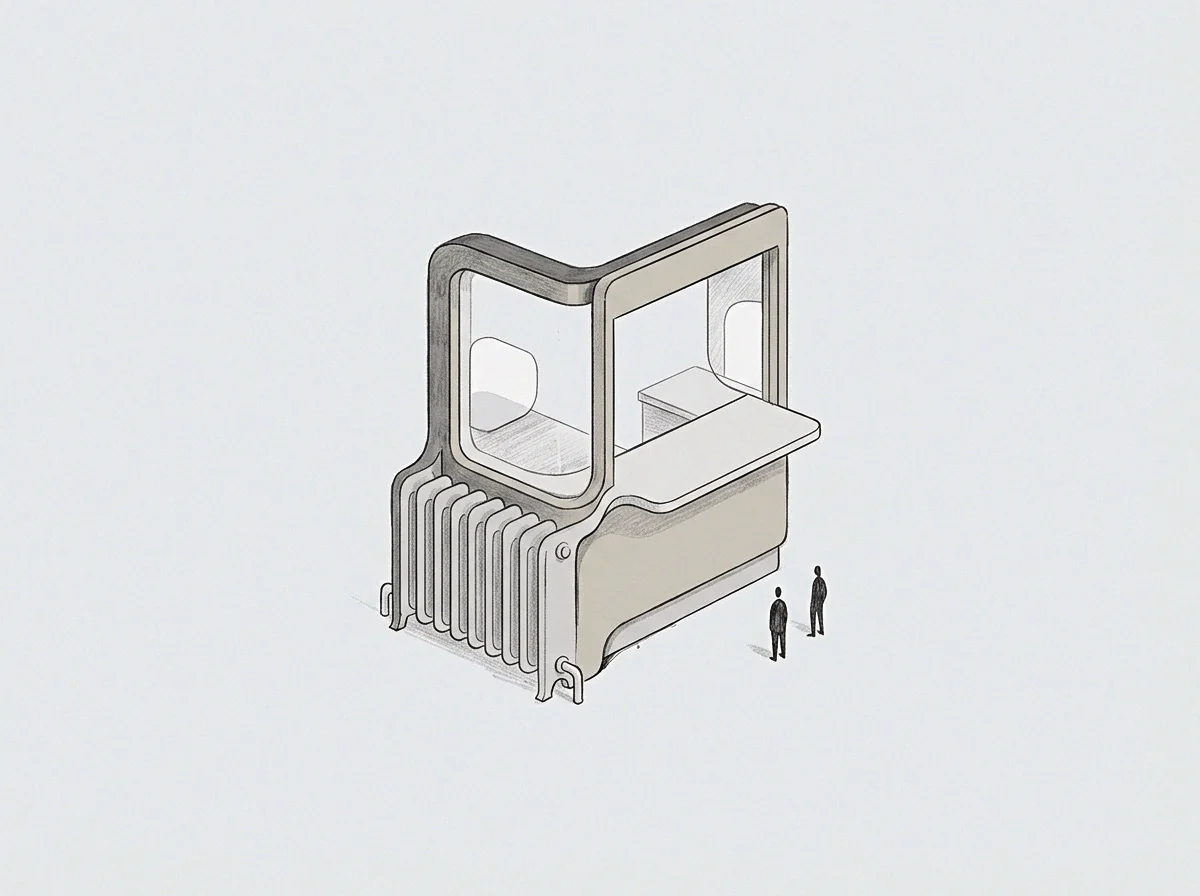
Meaning
Physiological exhaustion thresholds dictate how much cognitive load a human body can process before judgment degrades. These biological bounds operate as a hard ceiling on decision velocity, separating sustainable output from systemic collapse. Circadian rhythms and cellular recovery cycles establish the daily gradient along which attention degrades.
Once a body exhausts its baseline capacity, error rates climb steeply across analytical tasks.
Energy Cost
Adenosine triphosphate depletion forces a drop in systemic alertness during extended working hours. Cellular repair demands physical downtime that competes directly with operational focus. Mental acuity drops in direct proportion to sleep deficit accumulation, creating a widening performance gap.
Nutritional intake regulates glucose availability for neural pathways, influencing short-term memory retrieval speed.
Capacity Limit
Cortisol secretion patterns signal chronic overload when recovery windows remain consistently compressed. Hormonal signaling shifts from maintenance to emergency response modes under prolonged operational pressure. Cognitive bandwidth narrows as physical fatigue forces the brain to triage incoming data streams ruthlessly.
Heart rate variability drops as autonomic nervous system resilience diminishes under relentless stress.
Recovery Window
Sleep duration limits govern the rate at which neural pathways clear metabolic waste products. Muscle tissue regeneration requires uninterrupted rest periods to restore physical stamina for subsequent shifts. Systemic reset relies entirely on physical downtime rather than willpower or procedural adjustments.
Extended operational output without corresponding restoration guarantees permanent baseline degradation over time.