
Establishing Contractual Capacity Thresholds To Restructure Enterprises Before Baseline Allostatic Atrophy Occurs
Contractual capacity thresholds trigger automatic corporate restructuring before prolonged operational stress causes biological exhaustion and enterprise failure.

Load
Enterprise insolvency filings usually land long after an executive team has run through its actual physical and operational reserves. A firm absorbs structural deficits by leaning on the unpriced endurance of its operators, treating personal stamina as an informal substitute for balance sheet liquidity. Once an emergency posture becomes the daily baseline, cumulative systemic strain sets in.
Sustained operational demand slows cognitive processing, shortens decision horizons, and degrades executive function across leadership. The organization enters chronic exhaustion where the remaining staff can neither execute a pivot nor hold up through restructuring talks.
Restructuring agreements signed during late distress expose this toll immediately. Creditors arrive with term sheets demanding revised reporting, headcount cuts, and asset sales on tight deadlines. An operating group already worn down by eighteen months of continuous crisis cannot absorb the workload.
Under chronic biological stress, working memory contracts and individuals default to defensive, short-term moves. Contracts negotiated at this stage tend to fail simply because the operators lack the day-to-day capacity to meet the covenants they just signed.
Under sustained unhedged friction, operational exhaustion converts contractual obligations into dead paper.
Measuring internal cost requires tracking the loss of attention and working stamina alongside cash burn. Cash appears as a distinct figure on a bank statement, whereas cognitive capacity is harder to quantify. Executives often treat their own endurance as unlimited, assuming longer hours can indefinitely compensate for broken processes.
The business meets external commitments by drawing down the physical reserves of its staff until actual operational breakdowns begin.
The counterparty across the table usually reads the resulting missed delivery dates as simple operational neglect.

Ceiling
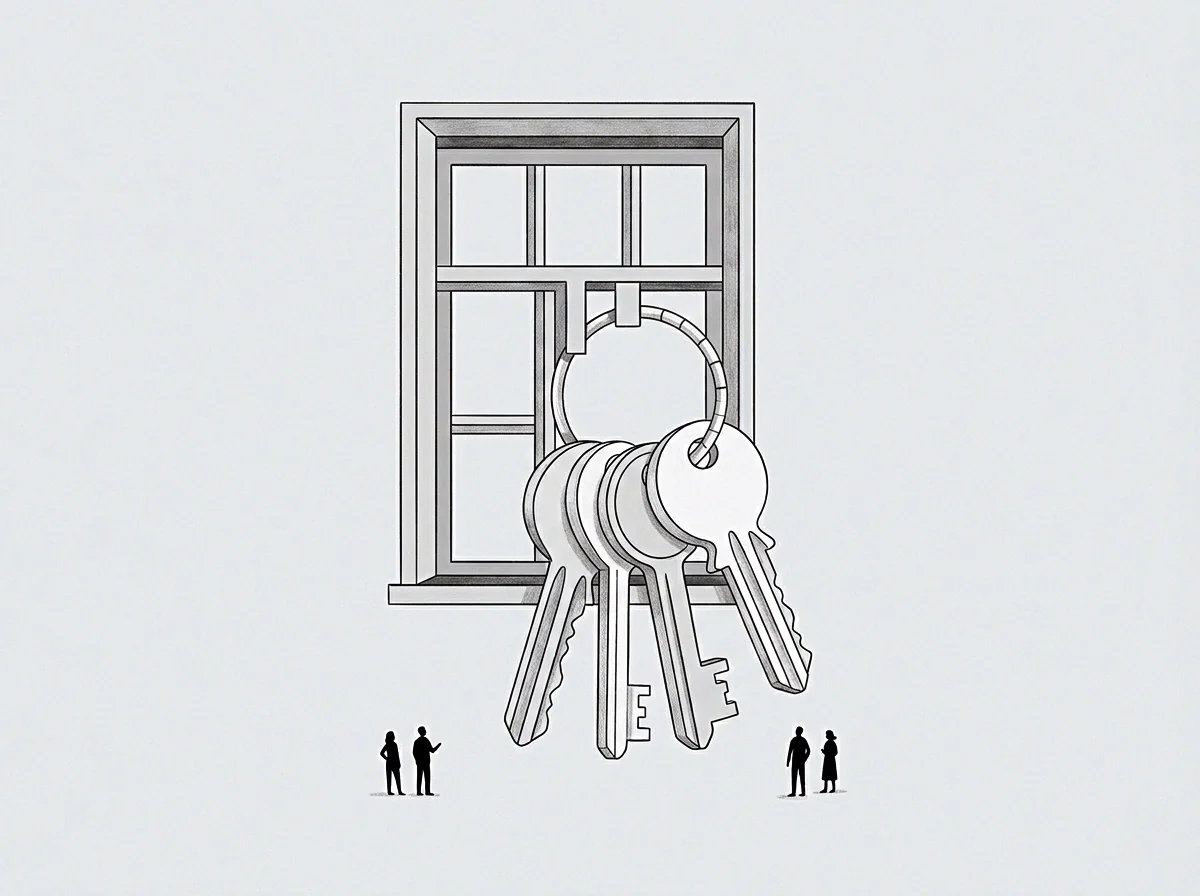
Biological Bounds on Corporate Governance
Every organization operates within physical constraints set by human biology. When an operating structure requires eighty hours of active crisis management a week from its principals, it exceeds sustainable human limits. Prolonged nervous system arousal impairs prefrontal cortex function.
Sleep deprivation reduces cognitive processing speed by forty percent within two weeks of severe operational distress. Under those conditions, leadership stops weighing complex contingencies and starts picking whichever option offers the quickest relief from immediate friction.
Corporate bylaws and shareholder agreements assume rational participants with intact analytical capacity, rarely making allowance for biological limits. Charters set voting thresholds, quorum requirements, and default triggers purely on financial metrics. If revenue drops thirty percent, the board responds by scheduling extra meetings and demanding daily performance updates.
That administrative load then deepens the physical exhaustion preventing the turnaround in the first place.
Governance becomes counterproductive once an organization crosses this physiological threshold. Choices made during periods of severe fatigue introduce structural errors that take months to correct. Operators agree to onerous financing terms or cut productive staff just to end protracted, grueling negotiations.
The nominal price of the capital may look tolerable on paper, but the cost in lost operational capability and team attention damages the firm permanently.
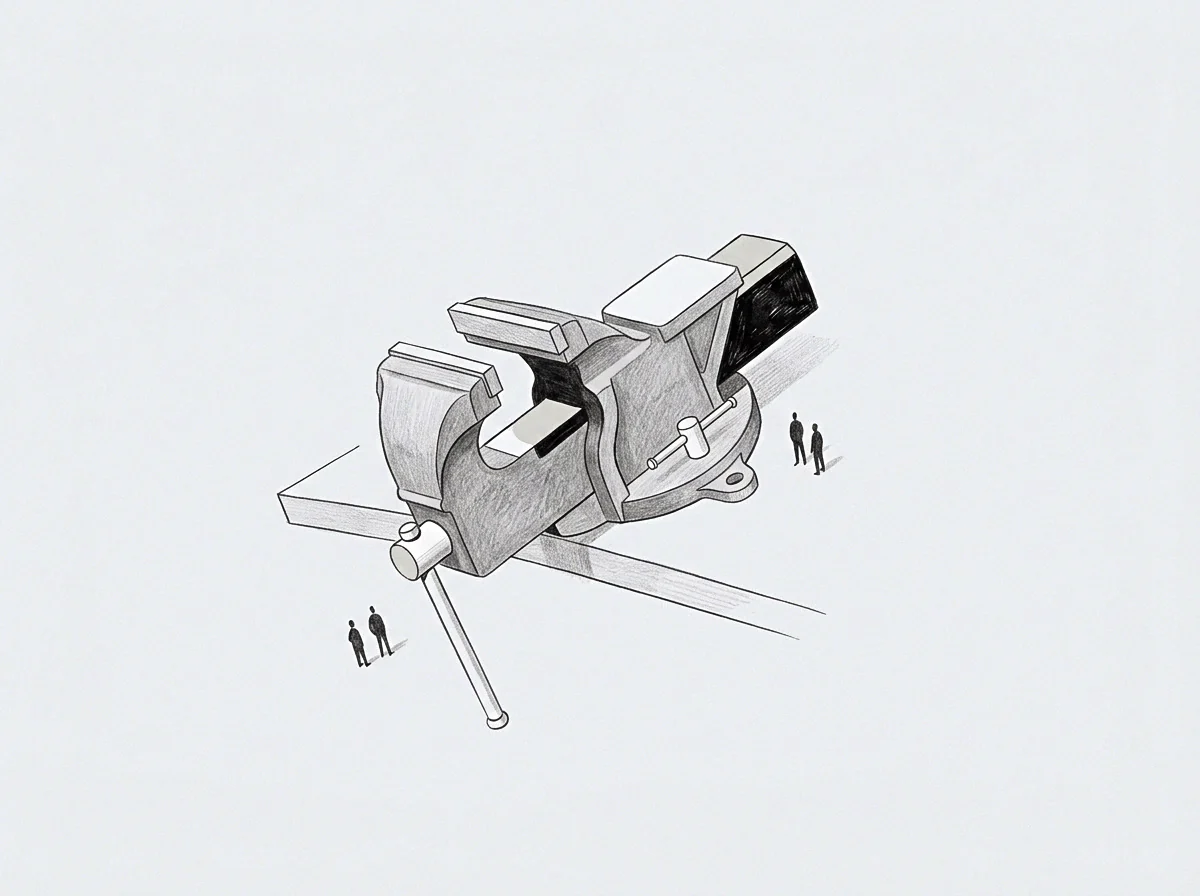
Predictive Vectors of Executive Exhaustion
Operational decline follows recognizable stages well before formal insolvency. Spotting these shifts early allows for intervention before severe cognitive exhaustion takes over.
- Latency drift extends cycle times as routine approvals sit in backlogs for weeks instead of hours.
- Bandwidth contraction forces leadership to drop forward-looking projects so they can manually patch recurring operational mistakes.
- Reflexive compliance takes root across management tiers, replacing candid debate with quiet agreement to flawed plans.
- Coordination splintering breaks departments into defensive silos as teams hold back information to shield their own operations.
Restructuring attempted after teams have splintered into silos runs into heavy resistance. Staff evaluate reorganization orders primarily as threats to their own positions. The business loses its operational buffer, so minor disruptions cause widespread stalls.
Recovery depends on having structural mechanisms that initiate reorganization while the team still has the physical and cognitive capacity to execute it.
Waiting to intervene until an operating team is completely depleted often leaves liquidation as the only remaining outcome.

Shelf

Structural Storage of Operational Reserve
Keeping a restructuring viable requires building operational buffers long before pressure mounts. These reserves take the form of specific covenants, capital set-asides, and explicit workload constraints that protect against burnout. Much like holding inventory on a shelf, a company needs protected margins of leadership attention and operational leeway.
When market conditions tighten, the firm absorbs the disruption through that pre-planned capacity rather than demanding endless overtime from key staff.
Standard commercial agreements discourage operational slack, treating unallocated capacity as an inefficiency. Financial planning typically minimizes working capital and cuts headcount to the thinnest workable baseline. This strips out any margin for human error or fatigue.
A surprise regulatory review or supply disruption then pushes leadership straight into unsustainable work hours. Writing capacity floors directly into contracts turns those operational cushions into protected assets.
A pre-agreed operational boundary preserves executive cognitive bandwidth when sudden revenue shocks materialize.
Capacity agreements set objective thresholds that trigger corporate realignment automatically. They link restructuring to operational and workload constraints instead of waiting for lagging financial losses to show up on financial statements. Provisions can mandate an immediate reduction in reporting requirements when leading indicators show excessive strain, keeping leadership from getting buried in administrative detail during difficult trading periods.
| Contract Mechanism | Standard Distressed Governance | Threshold-Protected Governance |
|---|---|---|
| Restructuring trigger point | Breach of lagging financial ratios or cash default | Sustained variance in leading operational capacity indicators |
| Executive administrative load | Expanded emergency board meetings and daily audit reviews | Capped reporting cadences and automated third-party oversight |
| Decision-making horizon | Compressed into reactive forty-eight-hour crisis windows | Preserved via dedicated strategic reserves and operational pauses |
| Personnel protection terms | Absence of limits on mandatory operational hours | Mandatory operational rotations and protected rest intervals |
The operating covenant mandates a temporary freeze on non-essential corporate development initiatives whenever the executive attention index falls below forty percent for two consecutive cycles.

Covenant

When Does Restructuring Trigger Exogenous Default?
Writing biological thresholds into loan agreements requires balancing protections for the borrower against security interests for the lender. Creditors often view operational triggers as early default events that accelerate debt repayment. They want thorough verification, which often translates into heavy reporting burdens for the borrower.
If framed poorly, activating internal capacity protections can inadvertently trip cross-default clauses in other credit facilities.
A well-structured threshold functions as an affirmative operating covenant rather than an event of default. It requires the business to start reorganizing while enterprise value and core staff remain intact. The provision gives the board explicit clearance to bring in turnaround managers or sell non-core units without waiting on unanimous lender approval.
Creditors accept the term because it stops enterprise value from eroding under an exhausted leadership team.
The main disagreement among practitioners involves metric verification. Tracking operational fatigue requires clear proxies that third parties can verify without intruding into private medical details. Firms look at indicators like unplanned staff turnover, executive churn, and delivery lag across core accounts.
When those numbers cross agreed thresholds, the agreement requires the firm to restructure.
External counterparties accept clear structural triggers when they protect the underlying asset.
Consider a company with forty million in annual revenue that runs into margin compression from overseas supply chain delays. In a standard setup, the two founders try to absorb the shock by working ninety hours a week. They take on accounting, manage supplier disputes, and supervise warehouse operations directly.
Within nine months, vendors cut off credit because the founders fail to show up for reconciliation meetings. The company slides into receivership with ruined vendor relationships, depleted staff, and an exhausted executive team.
Assume instead that the firm had an explicit capacity clause in its partnership agreement. That clause specifies that if executive overtime exceeds defined limits for three consecutive quarters, an independent restructuring officer steps in with operational authority. The contract frees the founders from administrative duties so they can concentrate entirely on retaining major clients.
Vendor payment schedules are renegotiated under standard statutory frameworks before commercial relationships fall apart. The direct advisory cost comes to three hundred thousand dollars, preserving twenty million dollars in enterprise value.
A rule defining structural reallocation before operational reserves collapse prevents catastrophic enterprise dissolution.
Corporate restructuring works best when handled before an operating team runs out of capacity.

Recourse
Protecting an enterprise from chronic operational burnout requires holding to contractual safeguards when pressure rises. When conditions worsen, stakeholders often want to waive capacity caps and lean on unmeasured staff endurance. Investors push leadership to maintain unsustainable hours to protect near-term quarterly numbers.
Leadership needs legal standing to invoke capacity provisions without facing immediate removal or losing their equity.
Enforcement relies on contractual safe harbors that shield directors from fiduciary breach claims when they activate restructuring provisions. If leadership triggers an early reorganization based on operational capacity triggers, dissenting shareholders cannot easily claim corporate waste. The charter makes protecting core cognitive and operational capacity an explicit duty on par with safeguarding financial capital.
These safe harbors shift incentives away from unrecorded overwork and toward timely structural adjustment.
The open question is whether lenders and investors will discount firm valuations when companies write mandatory operational capacity limits into their core debt agreements.