Meaning
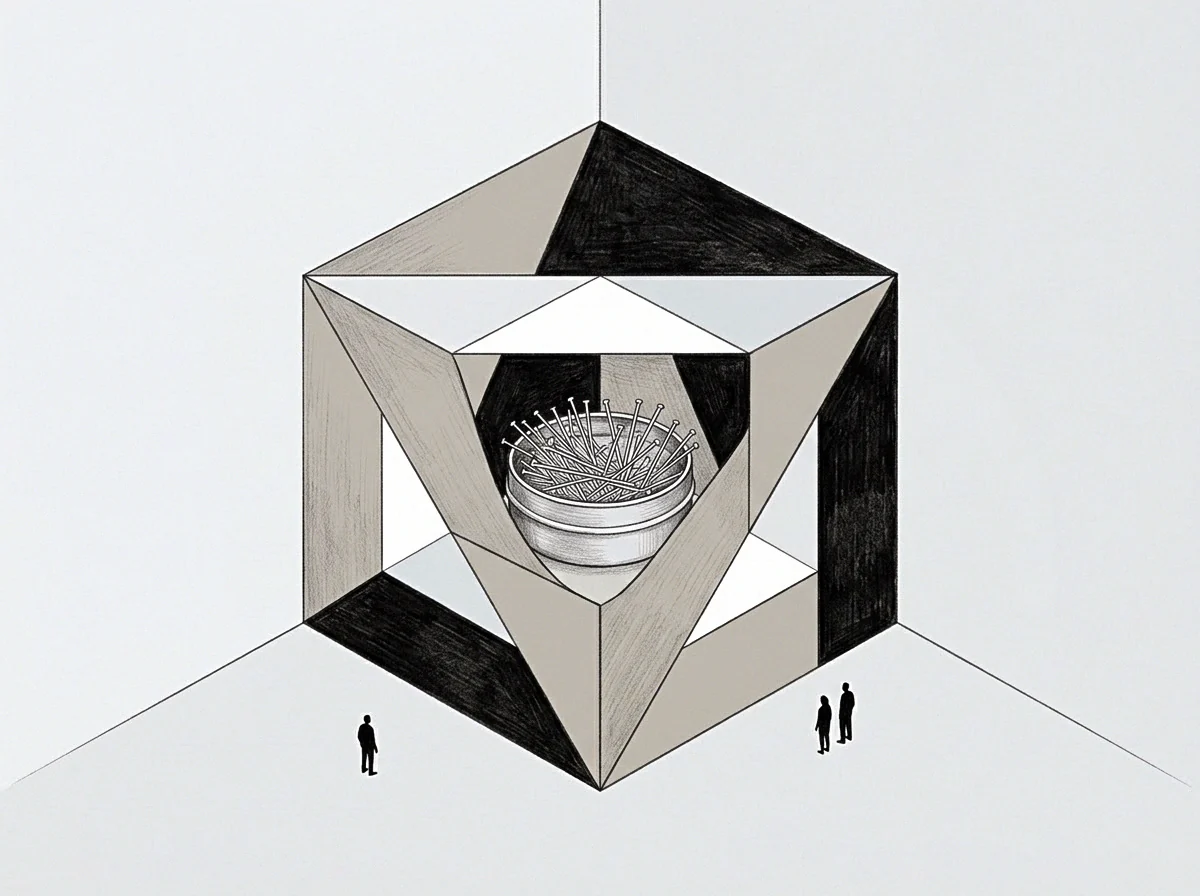
Structured holding zones placed between sequential process stages absorb fluctuations in workflow velocity to maintain continuous operation. These configurations, designed as intermediate buffer layers, prevent the slowdown of a downstream stage when an upstream stage experience a temporary delay. They are measured by the volume of tasks they can hold without causing process blockages.
Operating Logic
Isolation of process stages ensures that localized disruptions do not cascade through the entire workflow. Within these intermediate buffer layers, tasks accumulate during periods of high upstream output and are drawn down when upstream output falls. This decoupling allows each team to work at a stable pace.
The buffer acts as a shock absorber, protecting downstream productivity from upstream volatility. It also provides a clear visual signal of capacity imbalances between different parts of the organization.
Structural Cost
Maintaining these holding zones increases the total volume of work in progress and extends the average cycle time of tasks. When tasks spend time waiting in intermediate buffer layers, the feedback loop between the start and end of the process becomes longer. This delay can obscure quality issues, as defects introduced early are only discovered much later.
Capacity Limit
Establishing strict maximum thresholds prevents the holding zones from becoming permanent bottlenecks that hide inefficiencies. If a buffer exceeds its capacity, upstream work must stop to allow downstream teams to catch up. This boundary forces the organization to address the underlying mismatch in process speeds rather than simply storing excess inventory.