Meaning
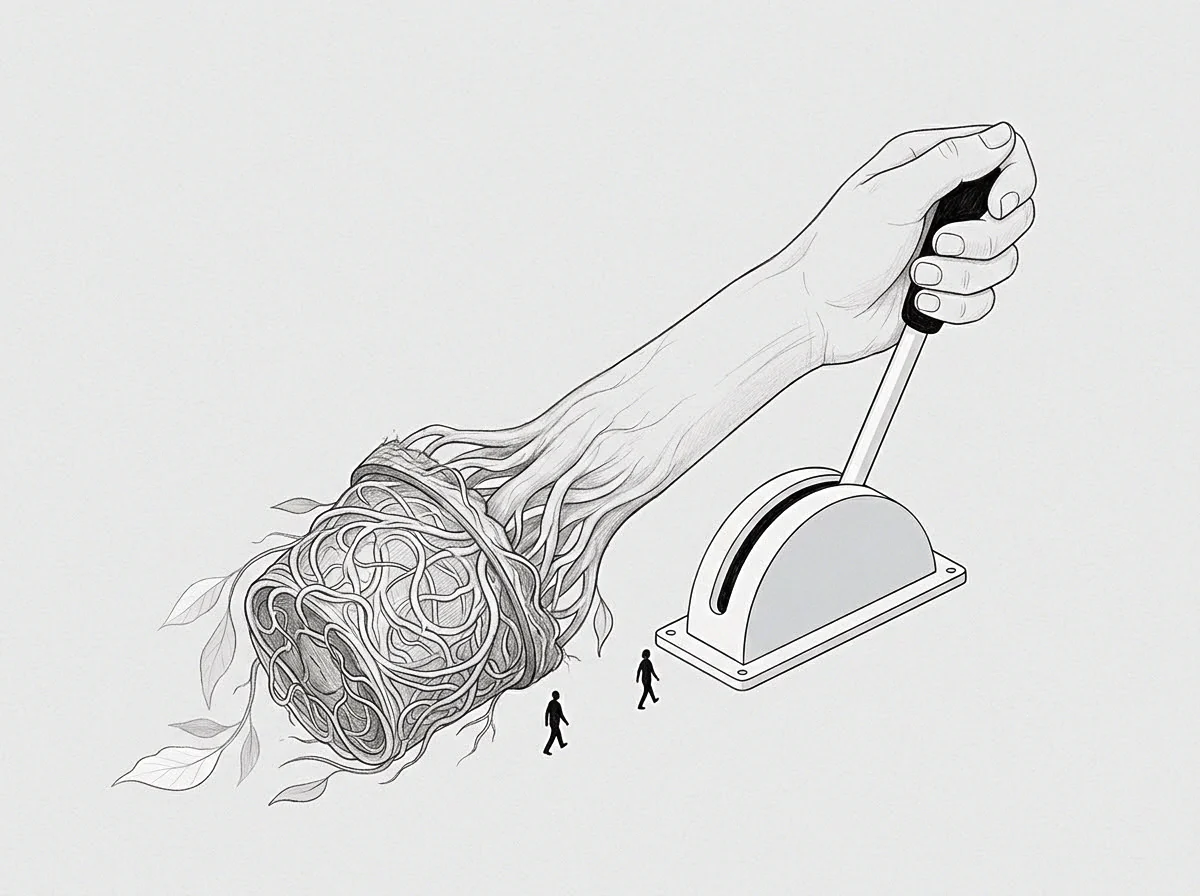
Cognitive penalties result from the sudden redirection of attention by external stimuli or requests. The interrupt overhead quantifies the specific amount of time lost not just to the distraction itself, but to the process of resuming the original task. It is a measurement of the mental tax paid for remaining available to a network or a team.
System Latency
Immediate responses come at the expense of sustained thought. Every time an interrupt overhead is incurred, the flow of deep work is broken, requiring several minutes of re-immersion. This latency means that a five-minute interruption can actually cost twenty minutes of productive time.
Capacity Reduction
Constant availability shrinks the total volume of complex problems a person can solve. High interrupt overhead forces an individual into a shallow mode of working where only reactive tasks are possible. Over time, this leads to a decrease in the quality of the primary output as the brain adapts to a fragmented environment.
Recovery Window
Resuming a train of thought requires a period of mental reconstruction. The interrupt overhead is largest when the disruption occurs during the most difficult phase of a project. Setting boundaries around communication channels is a common method for minimizing this window.
By designating specific times for interaction, the actor protects the integrity of the focus block. This window is also affected by the nature of the interruption, where a text message is less damaging than a physical conversation. The measurement of this tax allows for the optimization of a schedule based on the real constraints of the human mind.