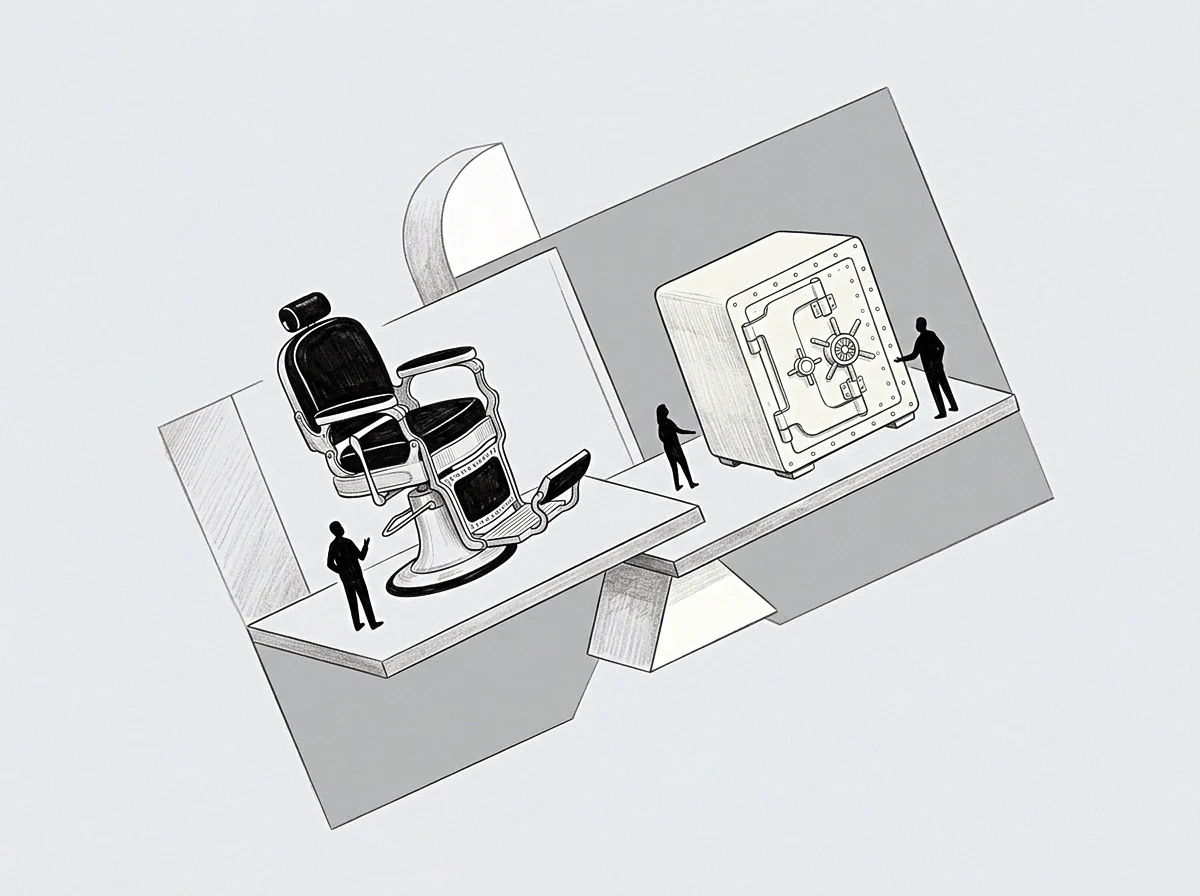
Meaning
Reduction of cash or cash equivalents over a fixed interval marks the speed at which a venture consumes its available capital. This process occurs when operational outflows exceed inflows, leading to a steady decline in the total treasury. It measures the net movement of funds away from the organization.
The measurement ceases when the cash balance reaches zero or when inflows begin to exceed outflows consistently.
Outflow Velocity
Cash movements define the health of a project during its middle stages. While liquidity depletion describes the total loss, velocity measures the rate at which that loss occurs. Rapid outflows indicate a misalignment between revenue and spending.
Extreme Threshold
Every system has a point where it can no longer sustain a reduction in cash. When liquidity depletion reaches this limit, the venture must secure new capital or risk total cessation. This boundary is often found by calculating the minimum cash required to maintain operations for one month.
Prolonged Recovery
Time required to return to a baseline cash position determines the long-term risk of a venture. If liquidity depletion is sustained for too long, the system loses its ability to respond to market shifts. Organizations often find that recovering from a deep depletion takes twice as long as the initial period of loss.
This happens because creditors and suppliers change their terms in response to perceived risk. Prolonged recovery periods indicate that the initial loss has damaged the structural integrity of the treasury.