Meaning
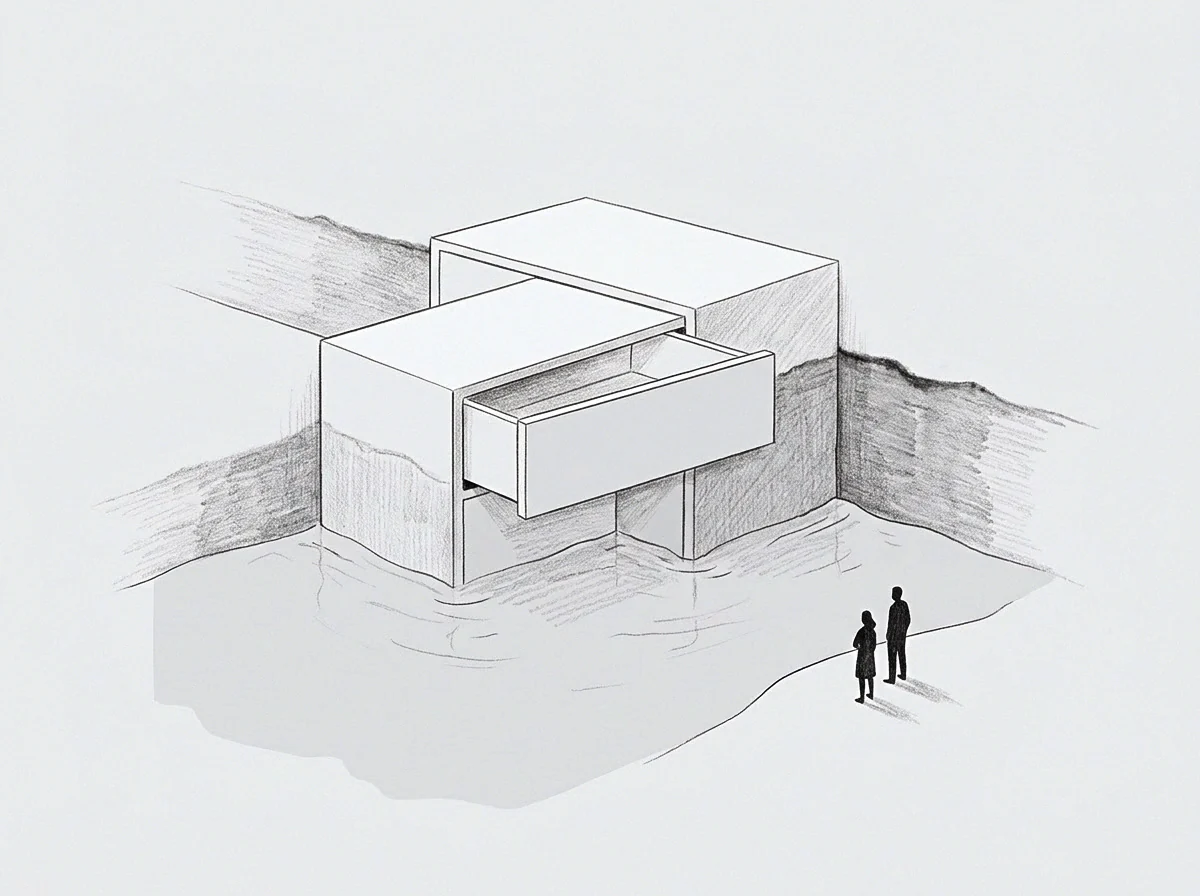
An operational resilience metric measures the degree to which an organizational structure dampens external volume surges without increasing fixed cost. Evaluating load absorption reveals how efficiently existing workflows and staff handle unexpected operational demand. The metric quantifies the difference between total input strain and internal structural disruption.
The boundary of this concept is reached when added volume demands capital expenditure or staff expansion, shifting the system from internal dampening to active scaling.
Capacity Distribution
Internal systems dissipate operational pressure by redistributing tasks across automated channels and flexible labor reserves. Effective load absorption prevents sudden volume spikes from causing localized service degradation or operational failure. Workflow design dictates how smooth this redistribution remains under heavy traffic.
Systems built with modular task handoffs process excess work without requiring manual executive re-routing.
Stress Transmission
Unabsorbed strain propagates through organizational layers, imposing heavy costs on operational staff and support functions. When load absorption fails, excess strain manifests as processing backlogs and increased error rates. The energy cost borne by management spikes as routine execution requires crisis intervention.
Operating continuously at maximum intake capacity degrades long-term process quality and damages customer retention metrics.
Saturation Limit
Every operational design maintains a ceiling beyond which strain cannot be internally dampened. When load absorption reaches complete saturation, any further intake increment triggers immediate linear cost increases or structural failure. Identifying this threshold allows leaders to expand core infrastructure before failure occurs.