
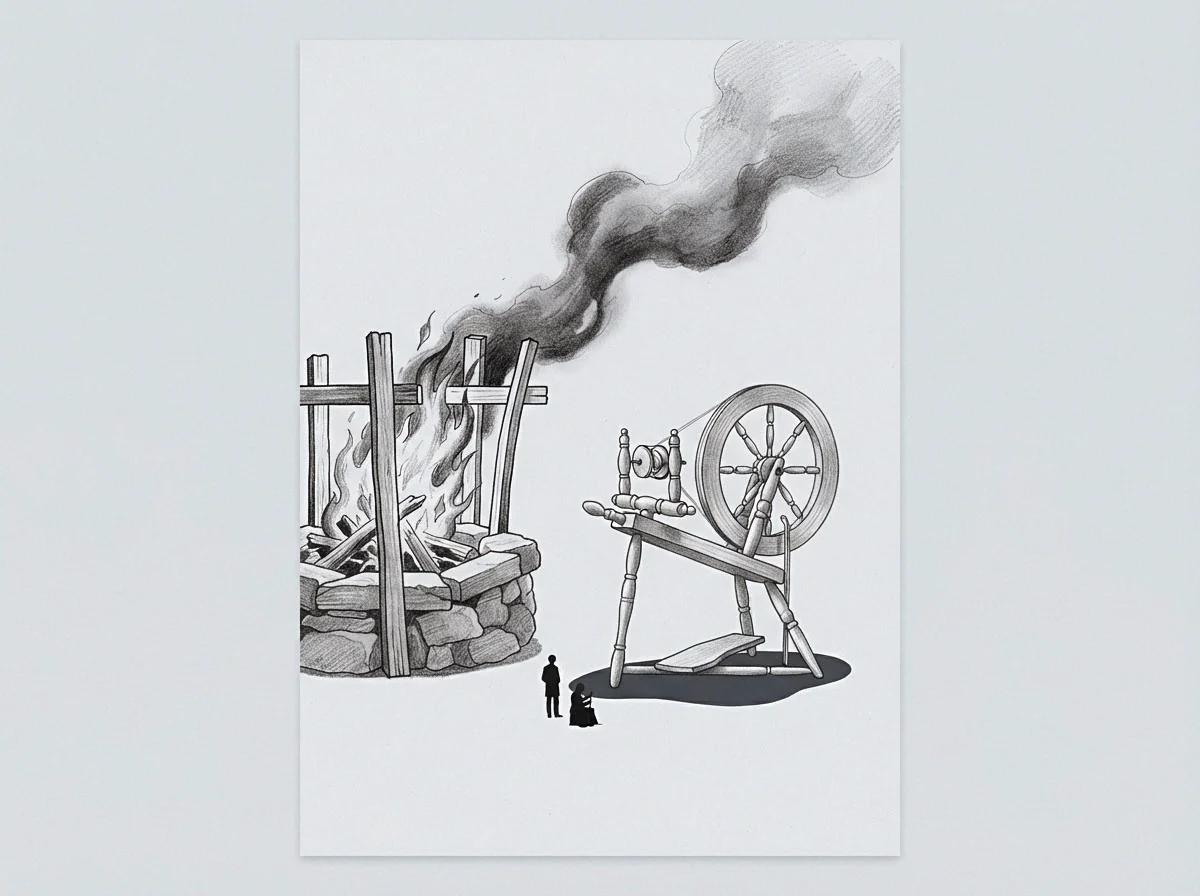
Deriving Mechanical Ascent Gradients From Operational Avoidance Patterns
Reversing an operational avoidance vector yields a mechanical ascent gradient whose magnitude equals the computational cost of the unperformed work.
Reversing an operational avoidance vector yields a mechanical ascent gradient whose magnitude equals the computational cost of the unperformed work.
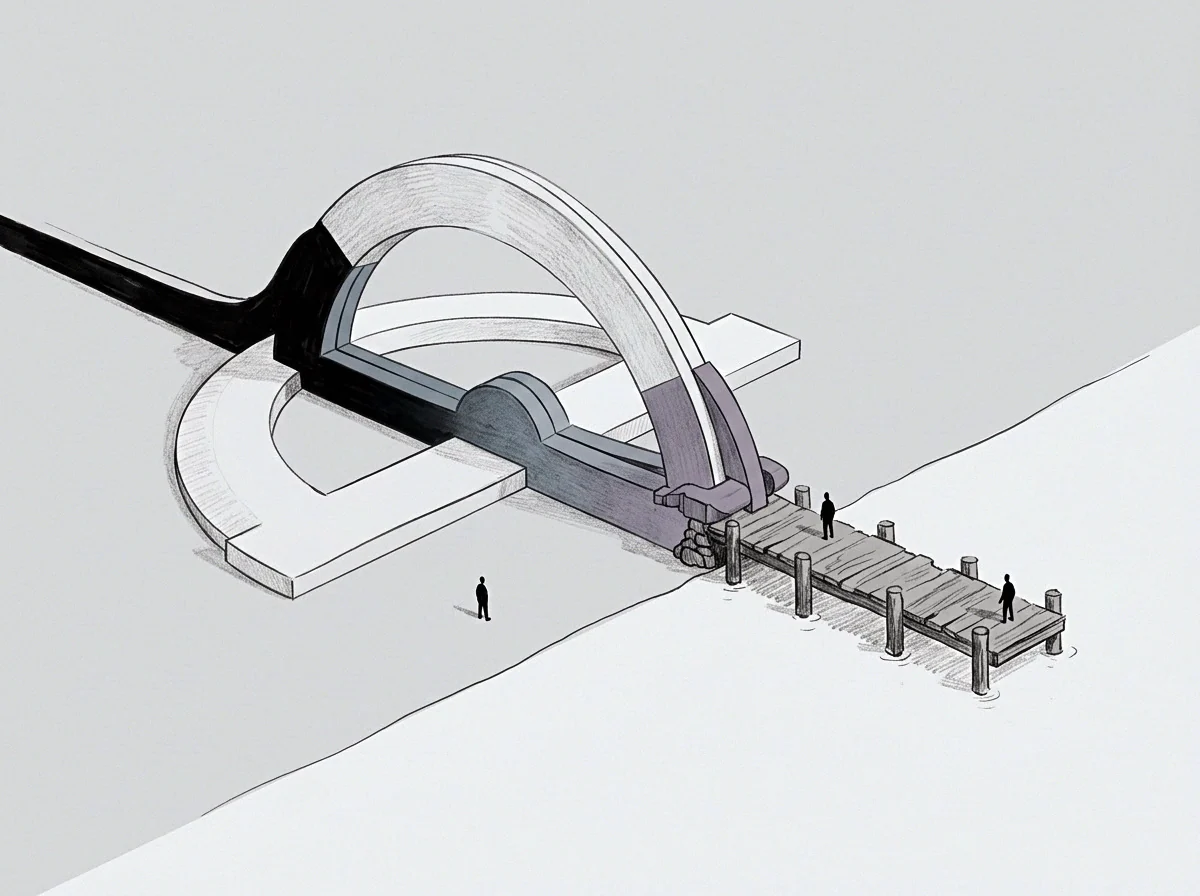
Power law tail exponents measure drawdown severity scaling directly from ordered loss ratios, bypassing subjective probability scoring in fat-tailed domains.
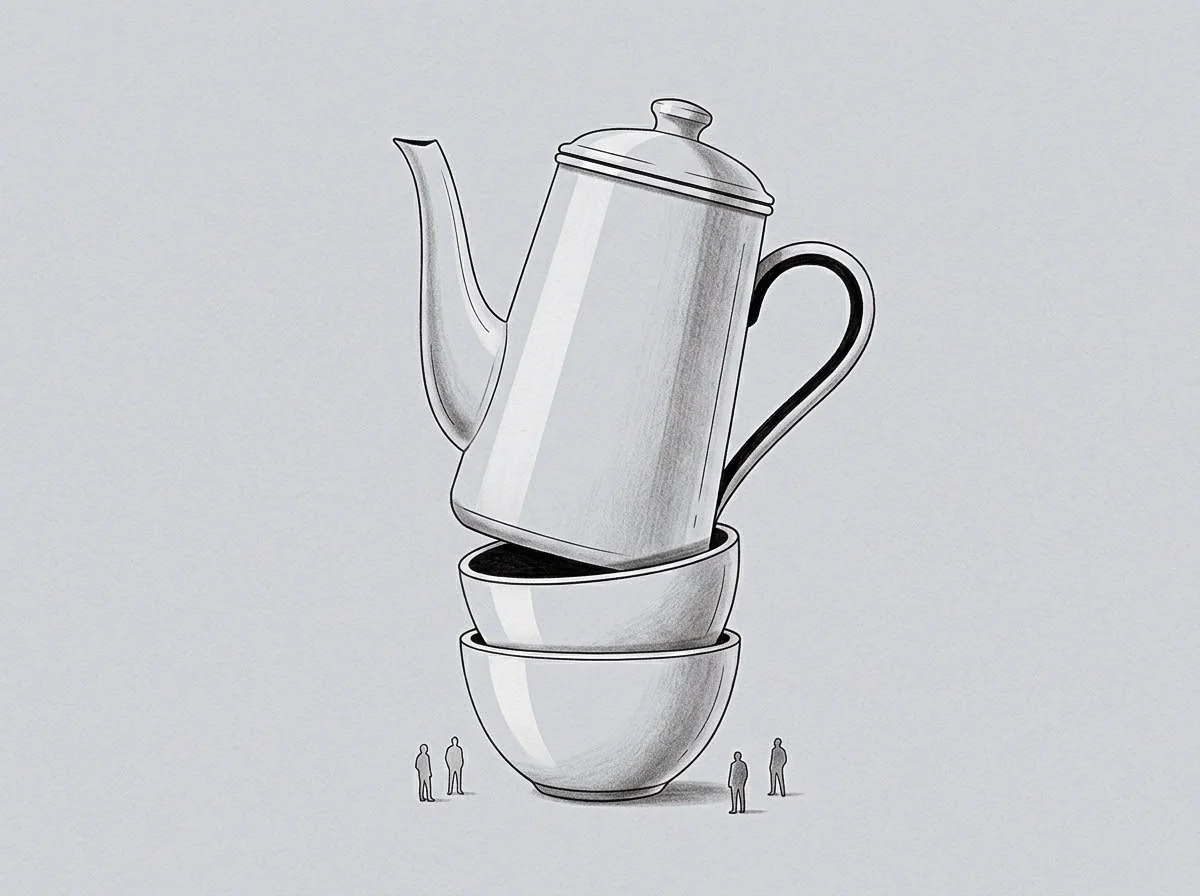
Epistemic variance drops when system avoidance vectors are mapped as physical cost gradients and mirrored above the operational baseline.
The terms are written where they belong. Each field holds three desks, and every entry a desk writes raises the terms it uses, each term given a meaning, a mechanism and the places it appears. The record on these pages stays first person and hand made; the fields grow the nomenclature.