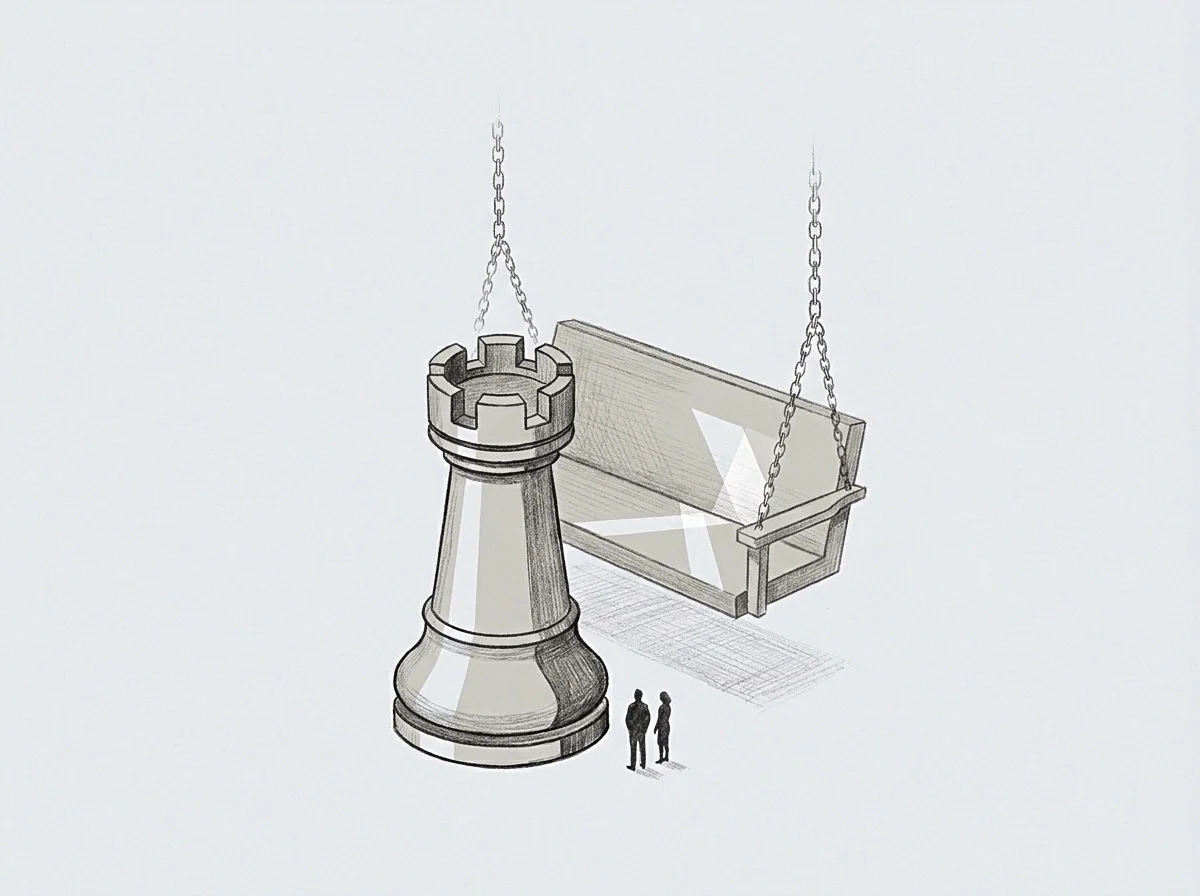
Meaning
Reductions in profit margins that occur when resources are diverted from high-yield tasks to low-yield or uncompensated activities represent a common post-founding operational challenge. This margin displacement happens when a firm takes on low-value projects or experiences scope creep on existing contracts. It represents the difference between the potential profits of the best alternative work and the actual profits generated by the current allocation.
Managers track this metric to identify hidden costs in their project portfolio.
Opportunity Penalty
Accepting any project has an inherent cost because it prevents the team from taking on more profitable work. When margin displacement occurs, the company’s financial growth is stunted even though the team is fully utilized. This friction is particularly damaging when skilled engineers are assigned to routine maintenance instead of high-margin development.
Asset Reallocation
Shifting staff back to higher-value initiatives is required to restore overall profitability. Reversing margin displacement requires strict governance over contract onboarding. This discipline helps ensure that resources are always deployed where they generate the highest returns.
Structural Friction
Operational inefficiencies can lock resources into unprofitable patterns of behavior. When teams get used to low-impact tasks, their ability to execute high-value work can slowly degrade. This decline reduces the firm’s long-term competitive advantage in the market.