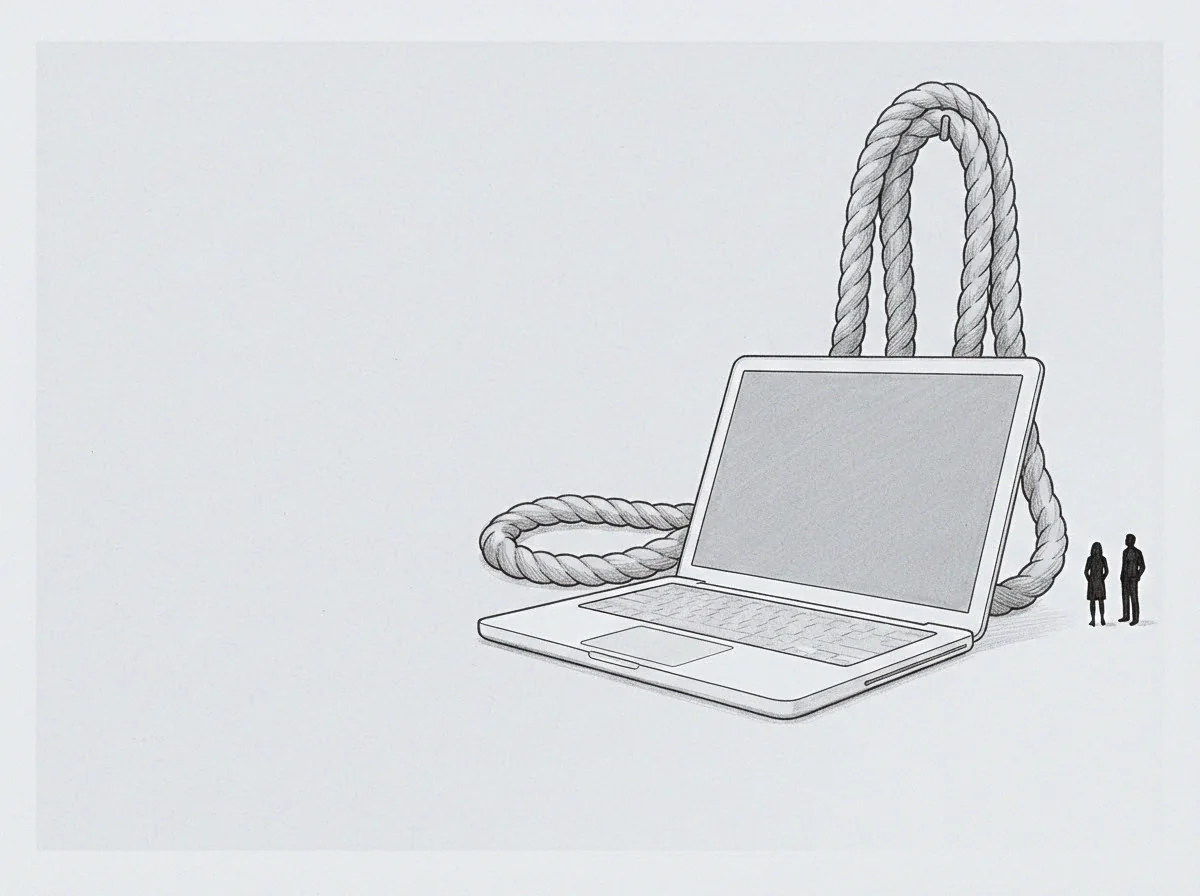
Meaning
Diminishing accuracy in data collection systems over extended intervals reveals the erosion of calibration standards. Within metric tracking, measurement decay represents the process by which recording instruments or analytical models produce increasingly noisy signals. This problem typically arises from hardware wear, changing data formats, or unmonitored sensor drift.
Keeping tracking systems aligned requires continuous recalibration to prevent decisions based on false reports.
Error Accumulation
Small discrepancy gains accumulate over months until the collective deviation distorts the entire dataset. This slow accumulation often remains hidden because daily changes are too small to trigger automated warnings. Only by comparing outputs across longer intervals does the erosion become visible.
This issue can lead to misallocated resources if strategic decisions rely on the affected metrics.
Calibration Cycle
Continuous testing of data pathways ensures that recording instruments remain accurate. These checks involve feeding known inputs into the system to verify the output against the expected result. When discrepancies are found, the system is adjusted to bring it back to its baseline.
Feedback Analysis
Identifying the causes of data degradation requires a rigorous inspection of all collection points. This examination determines whether the problem lies in the physical sensors, the transport protocols, or the storage formats. Correcting these errors early preserves the historical integrity of the collected information.