Meaning
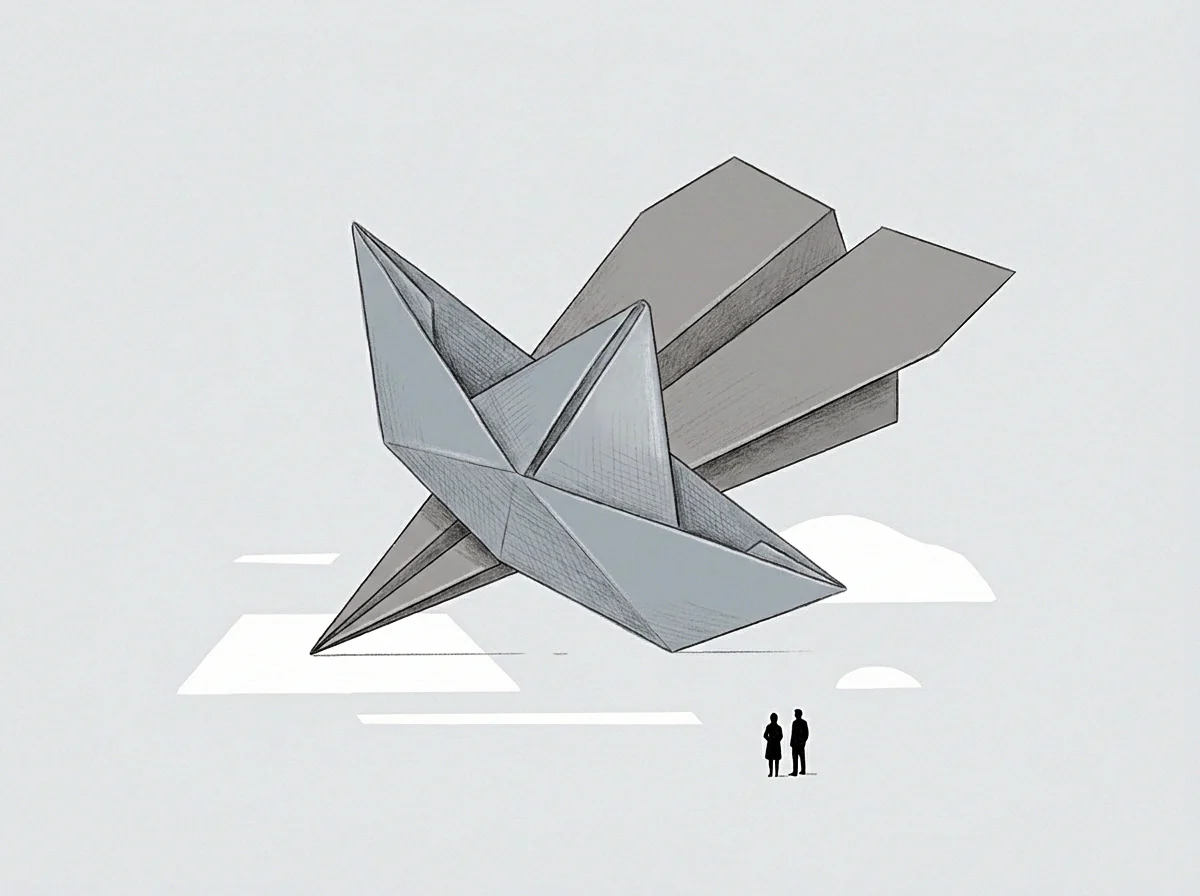
Temporal degradation describes the slow and often unnoticed accumulation of stress in a system that appears stable. A business experiencing metastable creep undergoes a gradual decline in efficiency while maintaining the outward signs of success. It represents a state that is stable only because it has not yet encountered a sufficient trigger for collapse.
The measurement focuses on the rate of change in hidden variables.
Latent Instability
Systems can remain in a sub-optimal state for years without showing visible signs of distress. Metastable creep involves the slow accumulation of technical debt and administrative friction. This process erodes the margins of the business without alerting the management.
Degradation Rate
The speed at which a system moves toward failure is often hidden from casual observation. In a state of metastable creep, the incremental changes are so small that they fall below the detection threshold of standard audits. Only by aggregating data over long periods can the downward trend be identified.
This slow erosion often affects the quality of the output or the morale of the workforce. The cost of intervention increases as the system moves further from its equilibrium. Early detection allows for a correction before the deformation becomes permanent.
Monitoring the change in key performance indicators relative to their historical baselines reveals the true state of the organization.
Failure Threshold
Instability eventually reaches a point where the system can no longer sustain its current configuration. Metastable creep leads to a sudden phase transition when an external force is applied. Regular monitoring of the degradation rate provides a signal for the necessity of structural intervention.