Meaning
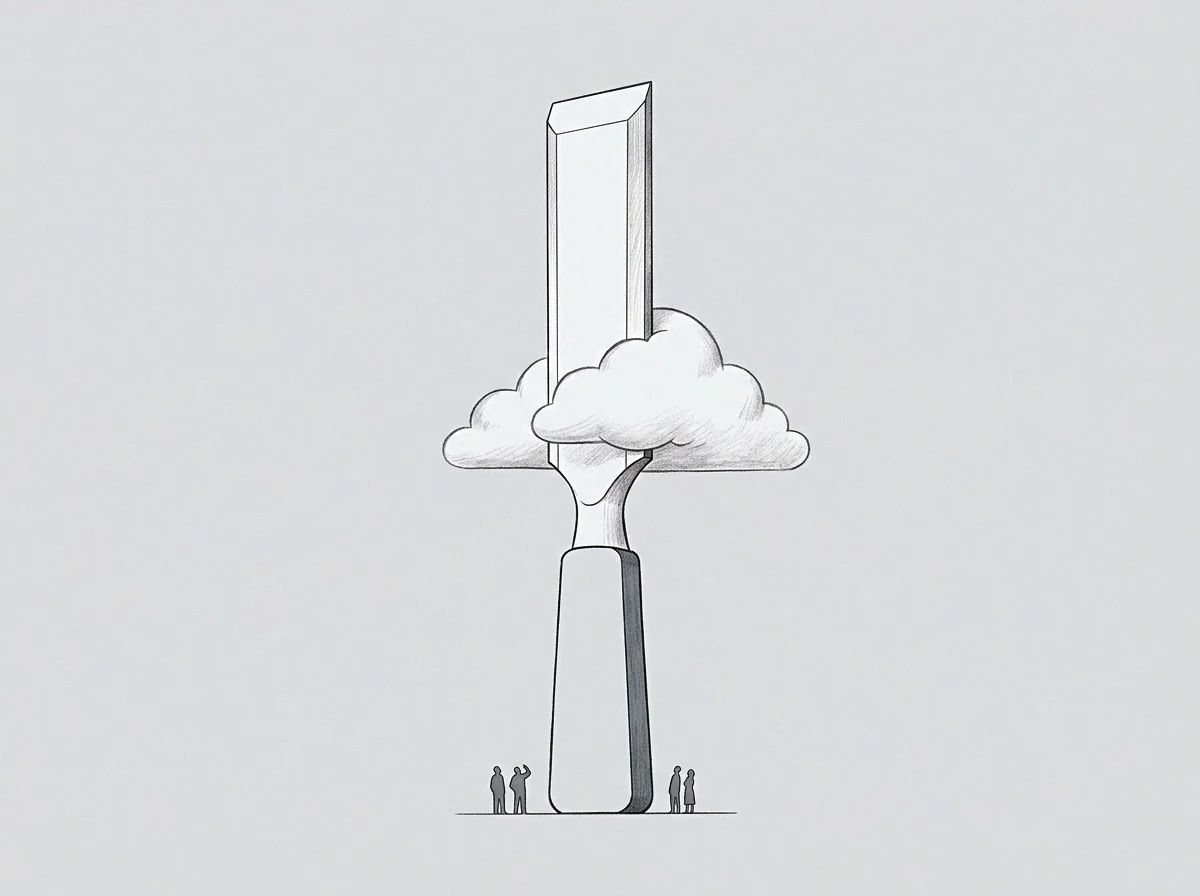
Customer transition from an legacy platform to a new system introduces technical and psychological barriers that impede user adoption. This resistance is quantified as migration friction, a measurement of the resistance encountered during the user onboarding or platform transition process. It governs the churn risk and the speed of user activation.
Adoption Impediment
Complex data export processes and unfamiliar user interfaces are typical examples of technical hurdles. When migration friction is high, users are likely to abandon the onboarding process. Identifying these specific bottlenecks helps simplify the transition.
Transition Cost
User attention and support hours are consumed rapidly when transition procedures are overly complex. High migration friction increases the cost of customer acquisition because additional onboarding specialists and support documentation are required to guide each user through the setup. Conversely, self-serve tools and automated importers can reduce this cost and accelerate the activation of new accounts, which improves the return on marketing spend and increases long-term loyalty by showing immediate value.
Retention Boundary
Long-term customer retention depends on the first few weeks of platform use. If migration friction is too high, the customer never realizes the value of the new platform and eventually churns. Calculating this friction helps the organization decide whether to invest in transition services or adjust the core user onboarding experience to avoid churn.