Meaning
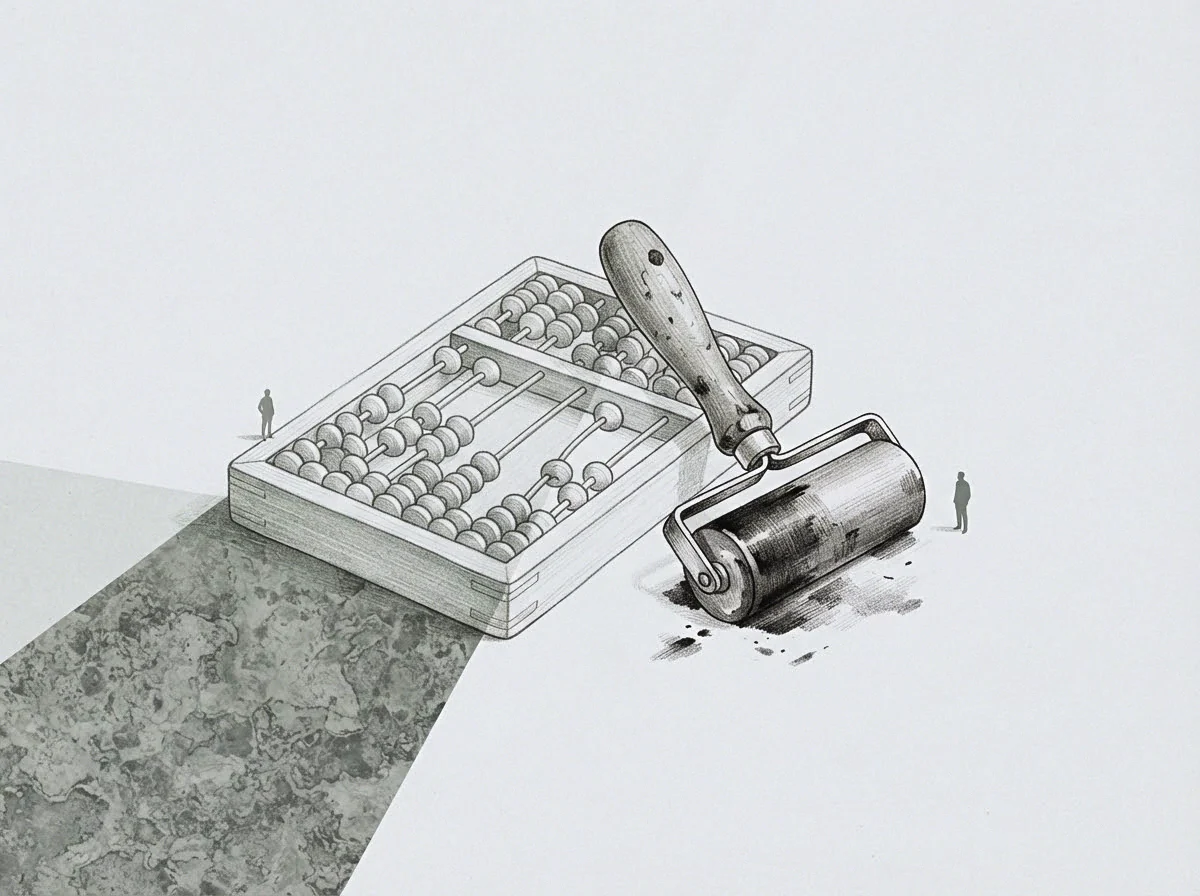
Strategic management includes the deliberate reduction in the scope, scale, or diversity of business activities to protect cash reserves and focus on high-margin segments. During periods of distress or reorganization, operational contraction represents the systematic shutdown of non-performing divisions, product lines, or geographic regions. This process aims to lower the break-even point of the enterprise and stabilize cash flow.
Structural Simplification
Scaling down requires the unwinding of complex supply chains, vendor agreements, and labor commitments. Executing an operational contraction requires precise sequencing to prevent the loss of talent or client trust in the core business units. This pruning allows the firm to concentrate its remaining assets where they generate the highest density of return.
By eliminating marginal operations, the organization increases its resilience against external economic shocks.
Asset Realization
Divesting non-core assets during a slowdown often produces immediate cash inflows that can reinforce the balance sheet. This capital provides a buffer that allows the remaining divisions to run without the threat of sudden insolvency.
Longterm Stability
Positioning the firm after a period of reduction allows for more focused growth when market conditions improve. Executives must use the periods of reduced activity to refine internal processes and eliminate residual waste. This preparation ensures that future expansion occurs on a leaner, more profitable foundation.
Sustainable business models are built by knowing when to retract as well as when to expand.