Meaning
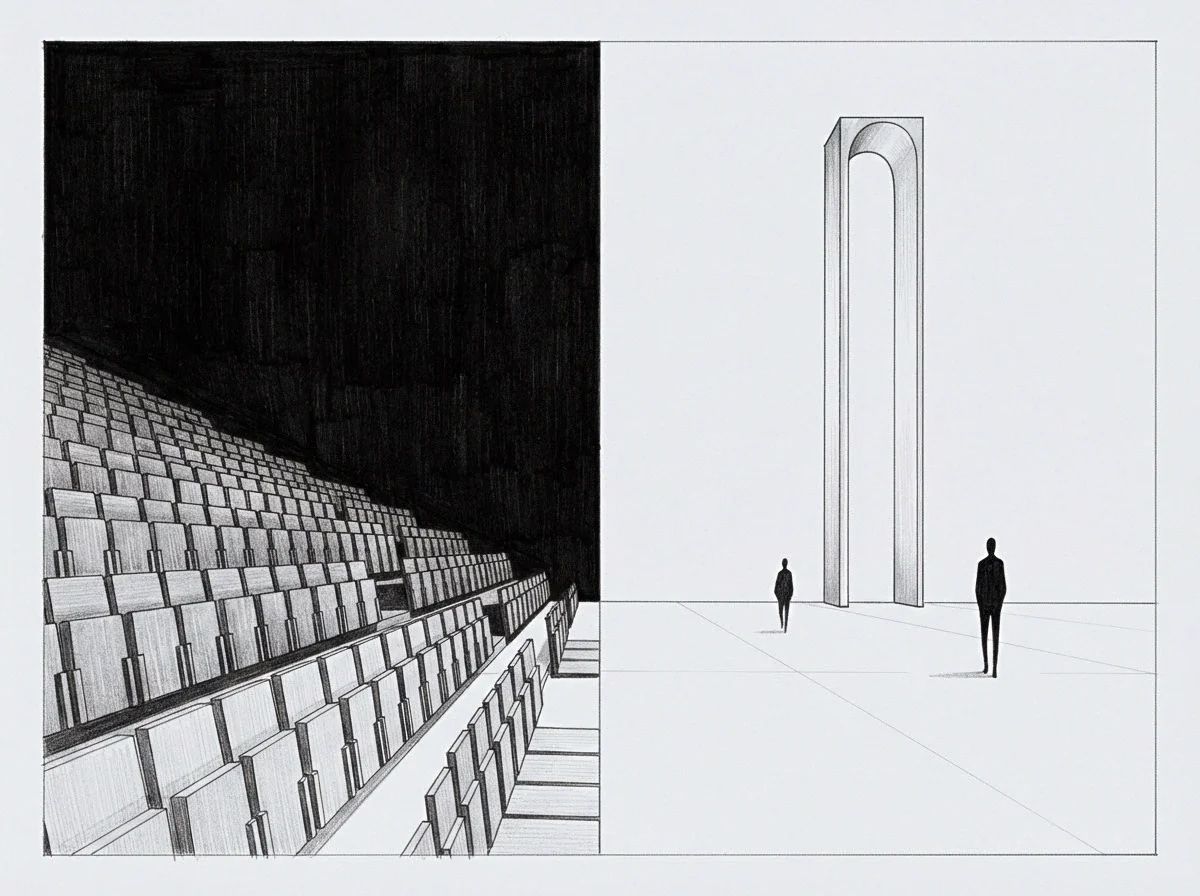
Buffers placed between a decision maker and the raw data of the market prevent the recognition of urgent external shifts. High levels of operational insulation result from layers of reporting that smooth out variance before it reaches the top. A person after founding uses this ordinal measurement to show how far removed they are from the actual consequences of their choices.
Feedback Lag
Information loses its precision as it moves through various human and digital filters. The presence of operational insulation ensures that a founder only hears about a problem long after the window for a low cost fix has closed. This delay increases the eventual price of correction.
Reality Distortion
Success often creates a culture where only positive news is allowed to travel upwards. When operational insulation becomes systemic, the leadership begins to make choices based on an idealized version of the company. This gap between the model and the reality leads to a series of errors that seem logical to the decider but appear nonsensical to the front line.
Information Shielding
Middle layers of an organization often protect themselves by controlling the flow of data to their superiors. This form of operational insulation serves as a defense mechanism for managers who wish to avoid scrutiny or accountability for their specific departments. By the time a founder realizes the data is being managed, the habit of concealment is usually deeply embedded in the corporate culture.
The shield prevents the identification of small failures before they aggregate into a terminal event.