Meaning
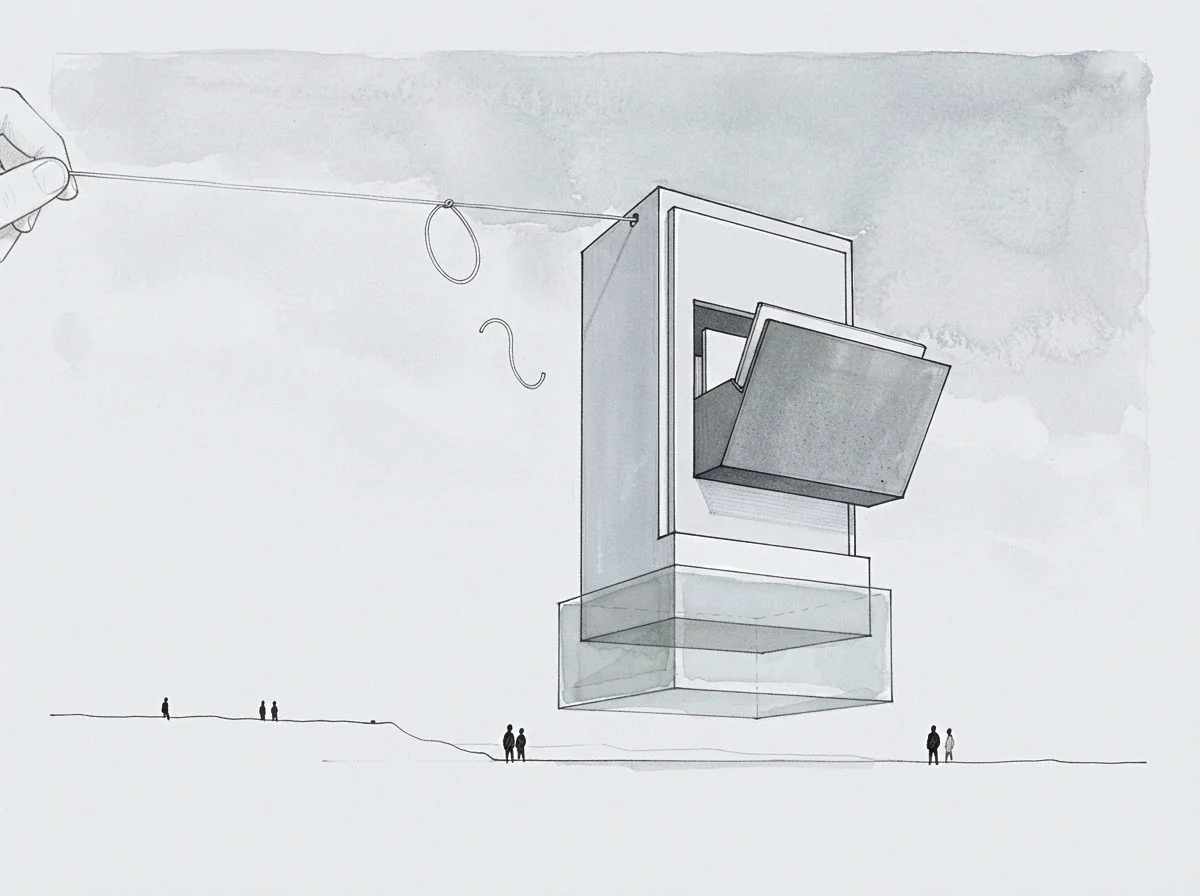
Ratio of fixed costs to variable costs within a company’s financial structure. Higher operational leverage means that a small change in revenue results in a disproportionately large change in operating income. This relationship holds as long as the production capacity remains within the limits of the existing fixed assets.
Margin Expansion
Profitability increases rapidly once the revenue generated exceeds the break even point. Because operational leverage keeps the cost of each additional unit low, the firm retains a larger portion of every new dollar earned. This effect is most pronounced in software or automated manufacturing where the initial investment is high but the marginal cost is negligible.
Risk Sensitivity
Dependence on fixed expenses creates a high degree of vulnerability during market downturns. If sales volume drops, the operational leverage that accelerated gains will also accelerate losses. A firm with high fixed costs cannot easily reduce its spending to match a lower level of demand.
Capital Intensity
Heavy investment in machinery or infrastructure defines the base level of this metric. A high operational leverage indicates that the business has traded flexible labor costs for the efficiency of permanent assets. This choice determines the long term trajectory of the company’s financial performance and its ability to scale without linear increases in headcount.
The strategy relies on the assumption that demand will remain stable enough to justify the ongoing expense of the fixed base.