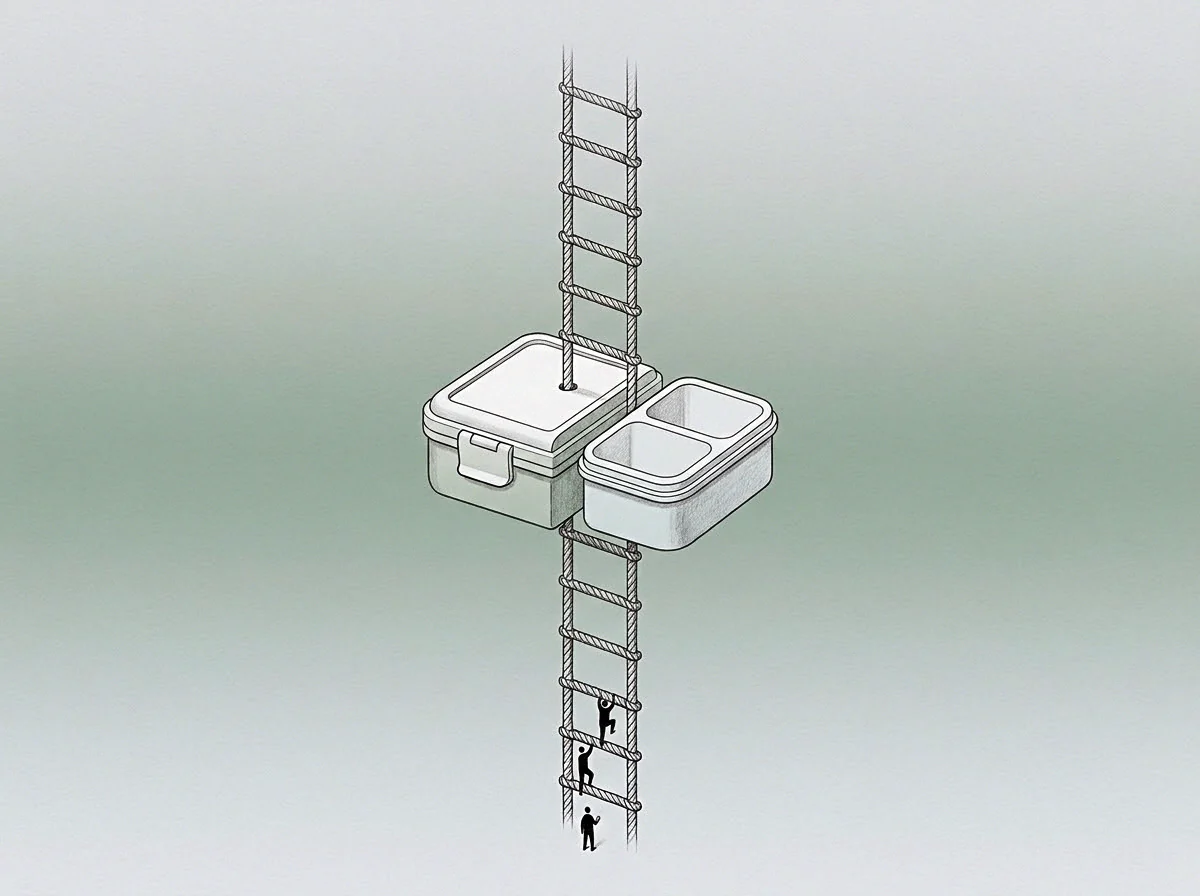
Meaning
A systematic decrease in organizational speed resulting from the addition of sequential approval layers or hierarchical decision-making steps. The presence of ordinal drag becomes visible when each new management level adds a delay to the execution of simple tasks. This friction reduces the agility of the company, forcing founders to choose between centralized control and rapid execution.
Sequential Delay
As companies grow, they often add administrative checks to prevent operational errors. This growth introduces sequential delay that makes decision-making slow and cumbersome. Each added step acts as an ordinal drag on team productivity, lengthening the time needed to release software or approve contracts.
Removing these unnecessary steps helps maintain the fast-paced culture that characterized the early-stage enterprise.
Friction Assessment
Organizations measure this drag by tracking the average time a request spends waiting in decision queues. High wait times relative to actual processing times indicate that ordinal drag is impeding progress. By mapping these workflows, teams can locate the specific bottlenecks where files accumulate.
Resolving these points allows for a smoother flow of work and faster feedback loops.
Autonomy Increase
Restoring operational speed requires delegating decision authority to frontline staff. Leaders define clear guidelines that allow teams to execute autonomously within set budgets. This change reduces the need for sequential approvals and increases overall responsiveness.