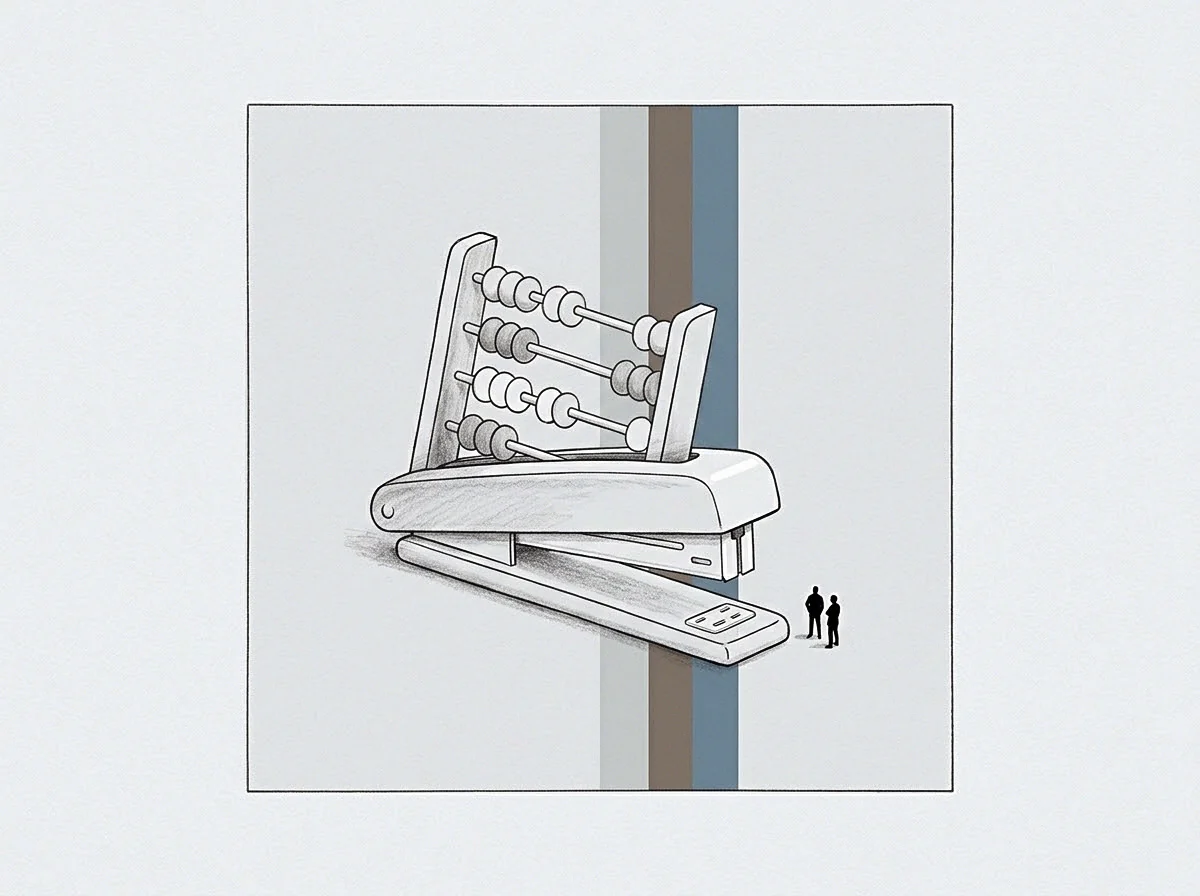
Meaning
Gradual shrinkage of net margins over time due to creeping operational costs or stagnant pricing models often affects established business units. In many cases, profit erosion begins when small, unmonitored expense categories steadily expand while client fees remain fixed. This phenomenon is evaluated by measuring the gap between gross margin and net margin over successive quarters.
The trend signals a need to either renegotiate client terms or optimize internal delivery methods. It demands a systematic review of all cost structures to prevent long term financial decline.
Margin Compression
Rising costs for software licenses and specialized talent can slowly reduce the profitability of existing client accounts. This primary manifestation of profit erosion occurs when contracts do not include automatic price adjustment mechanisms. Without regular price increases, the service provider absorbs the rising costs, which leads to lower overall company profitability.
Operational Debt
Inefficient workflows and manual interventions can slowly increase the cost of delivering a service. Profit erosion is often a consequence of these growing inefficiencies, as teams spend more hours resolving issues that could be automated. Monitoring these labor hours helps identify which processes require technical updates to restore initial margins.
Revenue Leakage
Unbilled service hours and out of scope work are major contributors to declining profitability in consulting and software firms. When profit erosion is driven by poor time tracking, the organization must implement tighter project management controls. Addressing this leakage ensures that every hour of delivered work is properly invoiced to the client.