
Resolving Intercompany Profit Elimination Distortions Across Decentralized Subsidiaries Under Volatile Currency Translation Regimes
Tracking historical currency layers at transaction dates decouples unrealized intercompany profit eliminations from closing rate translation distortions.

Drift
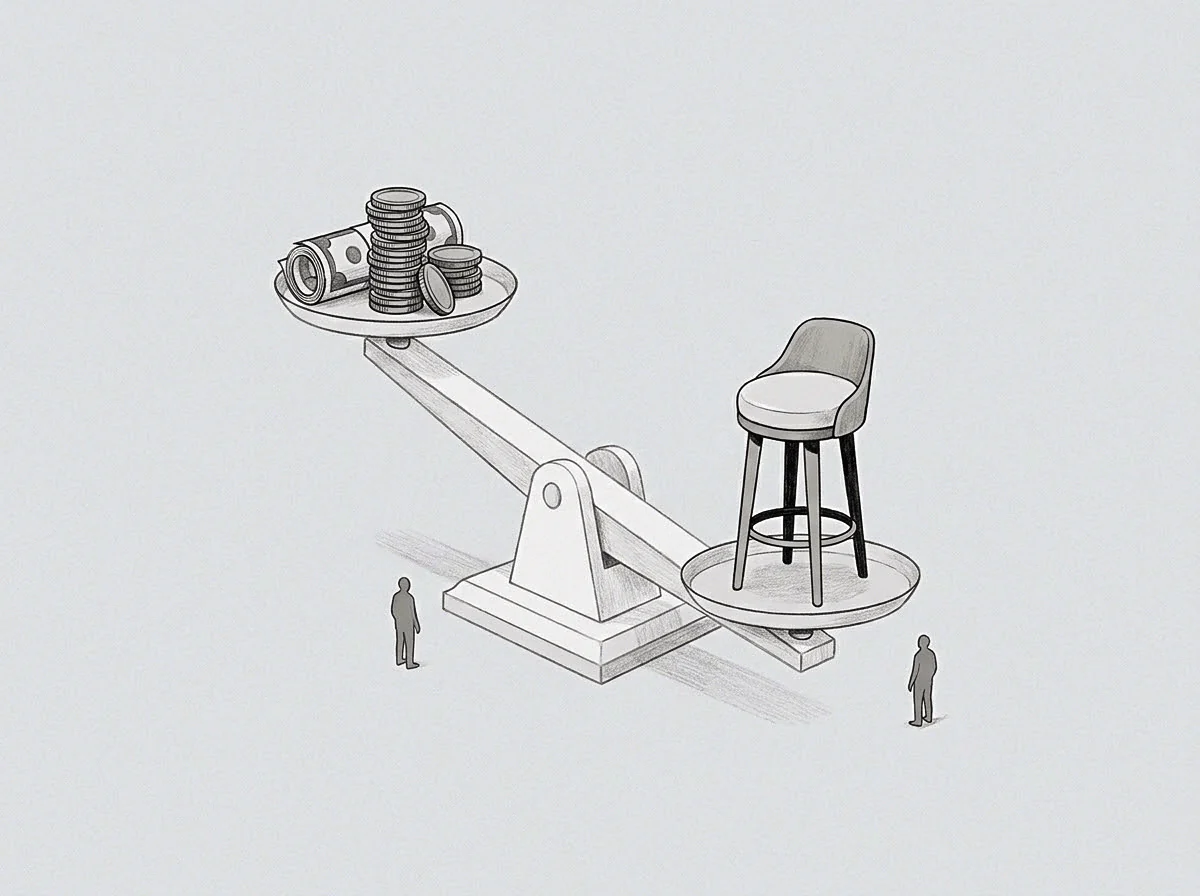
Separation of Local Transaction Gains from Consolidation Drag
Entity records capture the nominal price charged between operating units, while consolidated reporting measures actual cash expended to third parties. Operating units functioning under decentralized governance set local transfer prices to reflect local margin targets, customs realities, and statutory tax positions. When trading across borders with shifting exchange parities, the local selling unit books an operating gain or an exchange gain based on spot movements between billing and receipt.
The acquiring unit records the purchased inventory at the spot rate active on the invoice date. Volatility in the currency pair splits this single commercial transaction into decoupled accounting realities. Local ledgers register valid commercial activities under their individual functional currencies, yet the group balance sheet inherits an unearned margin markup trapped within ending stock.
The standard mechanical remedy subtracts internal profit from ending inventory to restate asset values to original production cost. In a stable foreign exchange environment, this balance sheet reduction offsets neatly against group cost of goods sold. Under rapid currency depreciation, the arithmetic fractures.
The currency translation methodology dictated by modern accounting standards translates the foreign subsidiary balance sheet at the period-end closing spot rate. Income statement line items translate at weighted average period rates. A manufacturing plant operating in a depreciating functional currency bills an assembly affiliate in a stable currency.
The internal profit recorded at the mid-period average rate departs sharply from the balance sheet elimination calculated at the period-end closing rate.
When inventory values translate at closing rates while operating profit translates at average rates, unadjusted eliminations inject artificial swings into operating profit.
This numerical divergence creates an accounting residual. Consolidation software packages assign this unallocated residual to the cumulative translation adjustment account inside equity, or dump it directly into consolidated cost of goods sold. When thrown into operating costs, consolidated gross margins fluctuate violently even when production efficiencies, sales volumes, and external retail pricing stay uniform across quarters.
Local managing directors defend their operating performance, pointing to locally validated margins that hit operational targets. The parent executive team sees consolidated gross margin erosion that contradicts subsidiary scorecards. Decentralized autonomy prevents central intervention in pricing formulas, while standard financial eliminations contaminate the measurement of operational performance.
Local managers pursue local margin optimization. Uncoordinated transfer price changes produce unpredictable variances once corporate consolidation runs.

Hinge

Functional Currency Divergence and Asset Flow Direction
Movement direction determines which balance sheet absorbs the economic impact of currency devaluation. Downstream inventory transfers move goods from parent to subsidiary, while upstream transfers flow from local operating affiliate back to the center. Lateral transfers between sibling subsidiaries introduce a third layer of foreign exchange translation.
Each distinct vector subjects the internal unrealized markup to a different functional currency translation sequence before elimination routines initiate. The physical movement of raw materials across borders establishes the baseline cost, while the invoicing currency dictates which affiliate bears transactional volatility.
In an upstream transaction, a manufacturing affiliate in an emerging market produces subassemblies for a central distribution entity. The local plant incurs direct manufacturing expenditures in its local functional currency. Upon shipping, the plant bills the distribution parent in the parent currency, applying a standard thirty percent internal markup.
As the local currency steadily weakens across ninety days of physical production and warehouse dwell time, the affiliate records an expanding local operating profit. The central distribution unit receives the components, entering inventory at the parent currency invoice price. If goods remain unsold at period end, the consolidation elimination wipes out the thirty percent margin.
The calculation translates historical manufacturing expenditures at historical rates, current invoice values at transaction dates, and foreign subsidiary equity balances at current closing spot rates.
The elimination process exposes the enterprise to three distinct operational distortions:
- Intercompany profit stripping removes nominal manufacturing margins calculated under historic exchange parameters, depressing the selling unit’s apparent operating contribution during downstream consolidation reviews.
- Absorption rate mismatch occurs when rapid depreciation outpaces standard costing updates, causing factory overhead recovery calculations to reflect obsolete purchasing power parities.
- Phantom translation absorption routes the foreign exchange delta between transaction dates and reporting dates into consolidated inventory carrying values instead of equity translation reserves.
Lateral inventory movements between decentralized units magnify these imbalances. A component factory in one jurisdiction sells to a packaging facility in a second jurisdiction, which sells finished units to a regional commercial center in a third jurisdiction. Each company executes transactions in its respective local functional currency or an agreed cross-border settlement currency.
When currency relationships fluctuate unpredictably across these three nodes, standard intercompany markup eliminations strip too much or too little profit from the consolidated stock. The ending carrying value on the group balance sheet drifts away from the actual group cash cost expended to manufacture the items.
Internal profit eliminations applied without currency stratification convert normal foreign exchange volatility into false inventory write-downs.
The distortion carries direct behavioral consequences across the operating business. Operating units penalize each other for internal sourcing when consolidated adjustments wipe out local financial returns. Subsidiary heads demand market autonomy to buy components from third-party domestic suppliers rather than absorbing internal components that carry translation baggage into corporate cost reviews.
Decentralized units act rationally within their narrow measurement windows, while the combined corporation duplicates supplier capacity and bleeds purchasing power.
Local operating teams state that their plants delivered targeted unit economics, and corporate consolidation entries simply misrepresent physical shop floor performance.

Ledger

Elimination Mechanics and Equity Reserve Imbalances
Official accounting frameworks prescribe that the elimination of internal gross profit must return the group inventory balance to original consolidated cost. Under ASC 810 and IAS 28, all unrealized margins on intercompany sales must disappear entirely from the consolidated financial statements until inventory transfers to external third parties. The standard operating procedure deducts the unrealized profit margin from consolidated inventory and credits consolidated cost of goods sold.
ASC 830 and IAS 21 mandate that balance sheet accounts translate at closing spot rates, while the income statement translates at transaction-date spot rates or weighted average rates across the accounting interval. These two mandatory accounting principles collide when inventory sits across period ends under volatile currency regimes.
Assume an upstream transaction where a subsidiary manufactures an asset for one hundred local units when the exchange rate stands at one local unit to one dollar. The plant sells the inventory to the parent for one hundred forty local units, recognizing forty units of internal operating profit. The parent records inventory at one hundred forty dollars.
At the close of the quarter, the goods remain on the parent warehouse shelf, and the currency has depreciated to two local units per one dollar. Under closing rate translation, the subsidiary asset base translates at fifty percent of its initial dollar value. If the parent eliminates the forty dollars of profit directly from inventory, consolidated ending inventory becomes one hundred dollars.
The physical baseline cost to produce that asset was one hundred local units, which at the closing exchange rate equals fifty dollars. The elimination removed the nominal original margin rather than the currency-adjusted margin, leaving consolidated inventory overvalued by fifty dollars on a closing-rate translation basis.

Will Historical Rates Protect Operating Margins?
Financial controllers debate whether unrealized margins should be eliminated using historical exchange rates or closing exchange rates. One approach computes the elimination using the exchange rate active on the exact date of the internal sale. This method matches the nominal transaction price and leaves the foreign exchange movement inside the cumulative translation adjustment reserve.
A competing approach calculates the elimination using the balance sheet date closing rate, recalculating the true group production cost at current translation values. The closing rate approach protects balance sheet carrying values from overstatement, but it dumps the translation difference into operating gross profit, distorting underlying operational earnings.
Tracking internal profit through historical currency layers demands extensive transaction-level data. Decentralized subsidiaries running disconnected enterprise resource planning systems rarely maintain the shared transactional metadata required to trace individual inventory pallets to specific internal invoice dates. Consolidated accounting teams therefore rely on generalized gross margin percentages applied across entire ending inventory categories.
When these blanket percentages interact with rapid currency depreciations, calculated eliminations deviate wildly from the underlying physical economics.
The mathematical reality leaves an open practical problem concerning whether consolidated reporting should prioritize exact physical asset valuation on the balance sheet or uncontaminated operational margin signals inside operating income.

Bench

Worked Model of Decentralized Profit Elimination
Consider two decentralized manufacturing subsidiaries, Plant Alpha operating in a high-volatility jurisdiction and Plant Beta operating in a central currency jurisdiction. Plant Alpha functions autonomously, manufacturing specialized industrial valves and pricing transfers to Plant Beta based on local market rates plus a twenty-five percent markup. Plant Beta finishes the valves and distributes them to commercial end-users across the continent.
Plant Alpha operates with the local Peso as its functional currency; Plant Beta operates in the Dollar. The baseline observation period covers twelve months characterized by a continuous forty percent devaluation of the Peso against the Dollar, shifting from four Pesos per Dollar at month one to six Pesos per Dollar at month six, and reaching ten Pesos per Dollar by month twelve.
The operational sequence runs across four physical stages:
- Production run initiation occurs at month four, with Plant Alpha absorbing four hundred Pesos of raw materials and direct labor per valve unit.
- Internal cross-border dispatch executes at month six, where Plant Alpha invoices Plant Beta at five hundred Pesos per valve, locking in a one hundred Peso internal markup.
- Warehousing and transit dwell lasts through month twelve, during which Plant Beta holds three thousand valve units in ending inventory while local market demand contracts.
- Consolidated financial close takes place at month twelve, forcing corporate controllers to eliminate unrealized intercompany margins across the entire unsold stock.
At month six, the exchange rate of six Pesos per Dollar means Plant Beta records the incoming valves at eighty-three dollars and thirty-three cents per unit, representing a total batch inventory addition of two hundred fifty thousand dollars. Plant Alpha books an operating profit of one hundred Pesos per unit, translating to sixteen dollars and sixty-seven cents per unit at the month-six average rate. By month twelve, the exchange rate collapses to ten Pesos per Dollar.
The true group manufacturing cost of four hundred Pesos per unit now equals forty dollars at closing rates. The balance sheet carrying cost of eighty-three dollars and thirty-three cents contains forty-three dollars and thirty-three cents of nominal dollar margin, despite the internal invoice containing only sixteen dollars and sixty-seven cents of profit when issued.
| Measurement Metric | Unadjusted Entity Reporting | Historical Rate Elimination | Period-End Spot Elimination |
|---|---|---|---|
| Subsidiary Ending Inventory Value | 250,000 USD | 250,000 USD | 250,000 USD |
| True Group Cost at Historical Rate | 200,000 USD | 200,000 USD | 200,000 USD |
| True Group Cost at Closing Rate | 120,000 USD | 120,000 USD | 120,000 USD |
| Unrealized Profit Eliminated | 0 USD | 50,000 USD | 130,000 USD |
| Consolidated Ending Inventory | 250,000 USD | 200,000 USD | 120,000 USD |
| Impact on Consolidated Gross Margin | Baseline | -50,000 USD | -130,000 USD |
| Equity Translation Impact | 0 USD | 0 USD | -80,000 USD |
Eliminating profit at historical transaction rates preserves the operating margin reported by Plant Alpha during month six. The five hundred Peso billing translates at six Pesos per Dollar, eliminating fifty thousand dollars across the three thousand units. Consolidated ending inventory sits at two hundred thousand dollars.
This balance sheet value exceeds the true reproduction cost of the inventory at month-twelve exchange rates by eighty thousand dollars. If market prices for valves drop in sympathy with currency depreciation, the enterprise faces an unavoidable inventory lower-of-cost-or-net-realizable-value write-down in subsequent quarters.
Applying closing spot rate eliminations strips one hundred thirty thousand dollars out of inventory carrying value. Consolidated inventory settles at exactly one hundred twenty thousand dollars, which matches three thousand units multiplied by forty dollars of closing group cost. This execution protects the balance sheet from asset overstatement.
The mechanics force the eighty-thousand-dollar translation variance into current period consolidated cost of goods sold unless corporate accounting maintains explicit currency stratification routines. The consolidated gross margin absorbs an artificial charge of eighty thousand dollars, punishing group performance for foreign exchange dynamics that local operations could neither forecast nor manage.
Operating units maintain standard pricing policies. The parent absorption mechanism creates inventory writedowns without physical scrap.
This operational friction worsens when decentralized subsidiaries run incentive plans tied to local operating margin achievements. The local controller at Plant Alpha expects performance bonuses based on recorded Peso margins. Corporate finance attempts to claw back distributions because the consolidated gross margin vanished during closing translation adjustments.
Friction spreads through operational governance channels, pitting central financial controllers against local manufacturing heads.
The standard supply agreement term mandating quarterly transfer price resets based on trailing exchange averages shifts currency volatility directly into local operational margins.

Protocol

Constant Currency Stratification and Operating Decoupling
Resolving intercompany profit distortion requires systemic separation between transactional pricing records and consolidation translation passes. Decentralized business structures fail when headquarters imposes centralized invoice-by-invoice approvals. Such interventions destroy local responsiveness and create administrative bottlenecks across operating companies.
Effective governance implements layered inventory margin tracking inside the consolidation data warehouse without altering local billing autonomy. Local plants continue to bill peer units at commercially sound rates tailored to their territorial market realities.
The tracking architecture isolates internal profit margins into distinct currency strata upon receipt. When an operating unit logs an intercompany shipment, the receiving system tags the inventory batch with three data fields: the selling unit manufacturing cost in local functional currency, the transaction spot exchange rate, and the nominal billed transfer price. These records form an immutable baseline.
As portions of the inventory batch move into third-party customer shipments, the system relieves the layers in proportional increments. The corporate consolidation engine computes eliminations against these specific layer baselines rather than applying blanket subsidiary-level profit margins across aggregate warehouse stocks.
Decoupling local management evaluations from consolidation translation residuals preserves operating accountability while stabilizing group financial integrity.
The financial ledger splits the elimination entry into two structural components. The operational profit elimination removes the exact nominal margin booked at the historical transaction rate, offsetting purely against consolidated operating revenue and cost of goods sold. The second entry routes the currency movement between transaction date and balance sheet date directly into other comprehensive income inside the cumulative translation adjustment reserve.
This structural routing cleanses consolidated cost of goods sold of artificial translation shocks while aligning ending balance sheet inventory with proper lower-of-cost-or-market valuation principles under closing rate regimes.
This dual-entry mechanism stabilizes operating performance metrics across the entire enterprise. Plant directors remain accountable for unit production costs, manufacturing scrap rates, and direct procurement efficiencies measured within their functional economic reality. Group finance monitors true economic gross margin performance across product families without currency translation noise polluting commercial decision channels.
Consolidation software computes live adjustments based on tangible inventory dwell intervals rather than relying on cached quarterly margin averages that fail when foreign exchange markets move fast.
Setting internal transfer prices to follow rolling production costs rather than spot currency spikes maintains operational clarity across borders.