Meaning
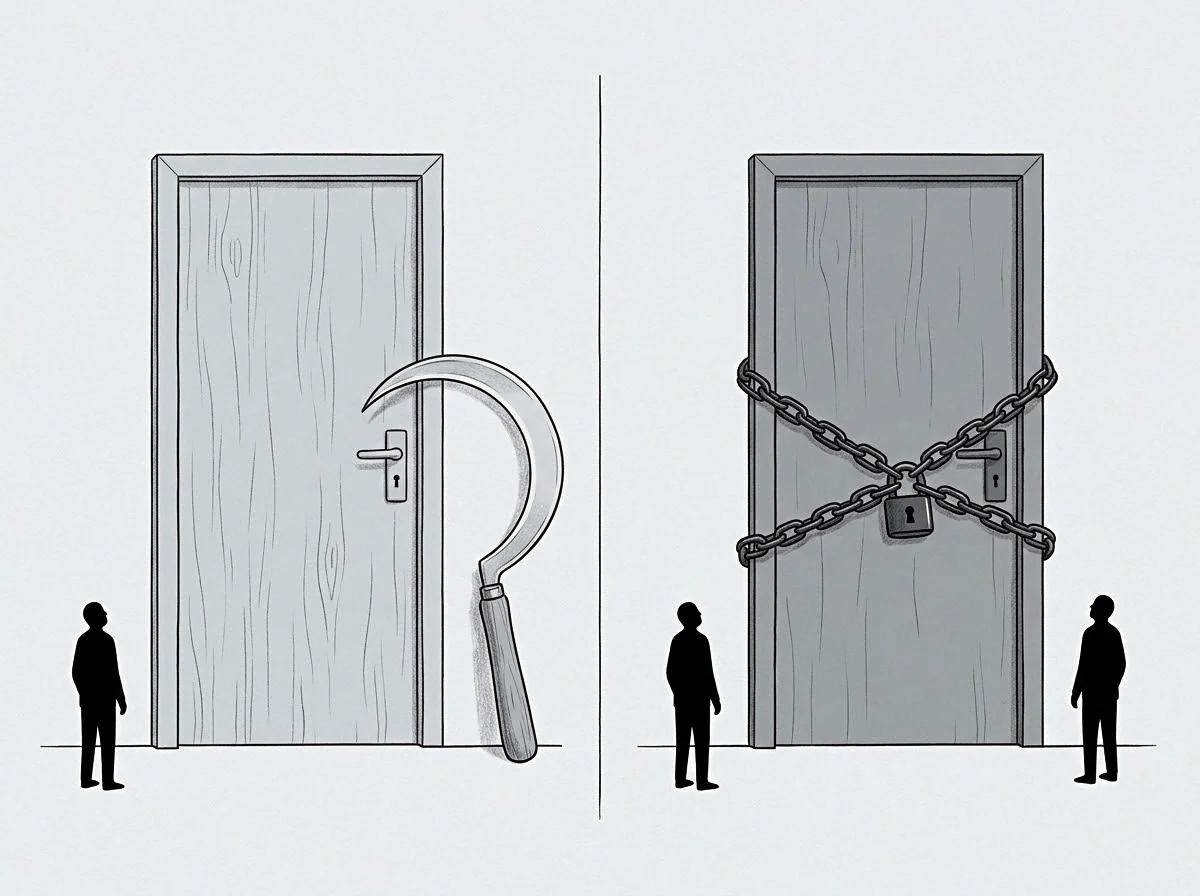
A state of depletion occurs when the total demand for a finite asset exceeds its available quantity, rendering the dependent system unable to perform standard operations. Resource exhaustion defines the point where capacity hits zero and prevents further utility or production. This condition limits scalability by fixing the ceiling of output at the absolute volume of remaining supply.
Operating Velocity
The speed at which a project consumes its inputs determines how quickly a firm arrives at this physical limit. Founders track the burn rate of capital and human attention as a cardinal measure of how much runway exists before the stock vanishes. Fast consumption of these buffers often leaves the organization without the necessary time to adjust its trajectory or acquire supplementary support.
Systemic Threshold
Measured outputs typically track the delta between current stock and the predicted requirement for completion. This metric provides a signal for when the remaining supply becomes too thin to sustain the planned volume of activity. Reaching this boundary marks the transition from growth to immediate contraction unless the founder secures a new supply path.
Capacity Decay
The steady reduction of available reserves influences every decision regarding the allocation of remaining energy and attention. A firm treats this drop as a cost vector that forces a trade off between immediate task completion and long-term viability. Small drops in the available total trigger a recalculation of all pending obligations to ensure that critical functions remain protected against total failure.