Meaning
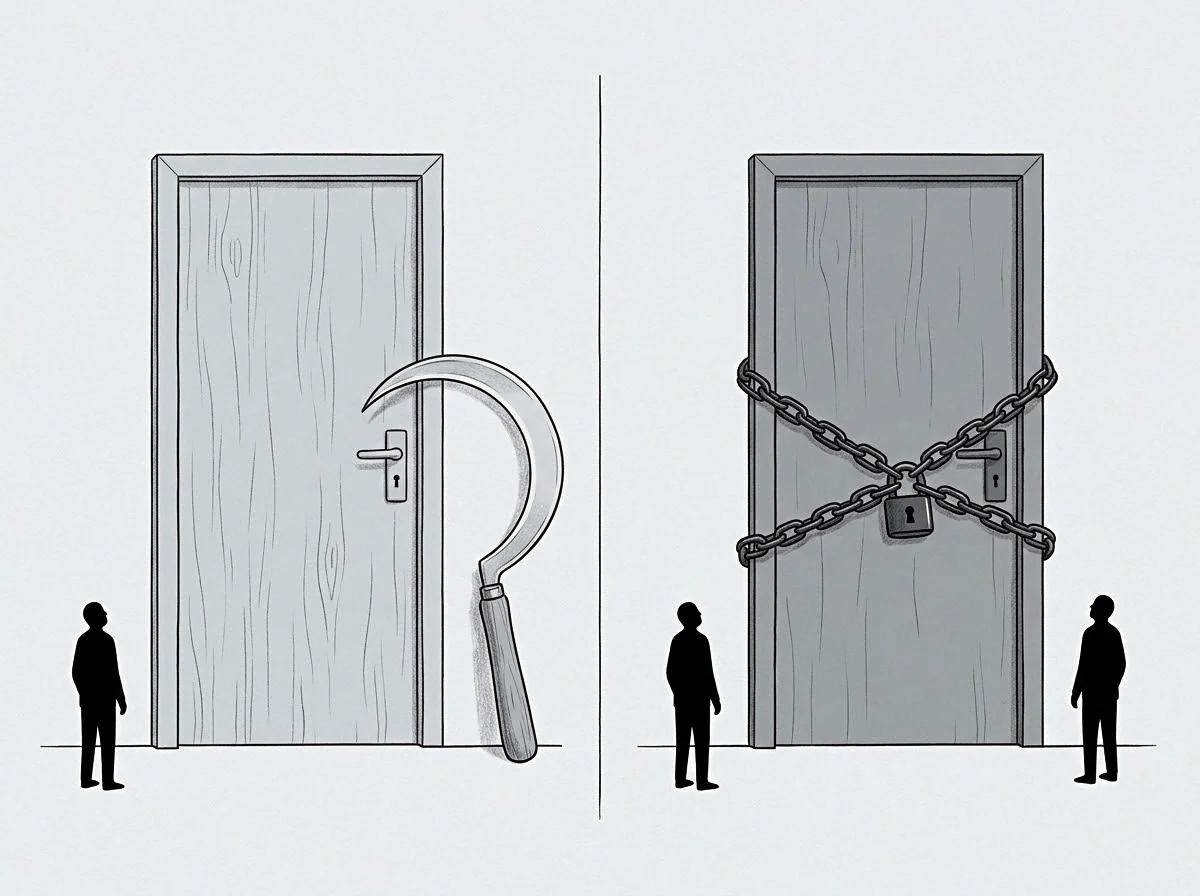
Operational exhaustion is the cardinal measure of human capacity depletion that occurs when executive attention exceeds sustainable thresholds during post-founding enterprise management. This metric quantifies the cumulative drain on cognitive reserves across successive structural decisions. The scale operates as a continuous gradient running from nominal recovery capacity to terminal decision fatigue.
Attention units decline against fixed organizational complexity until cognitive restitution fails entirely. The boundary of application stops precisely at physiological burnout, because this specific measurement records depletion states prior to clinical collapse.
Cognitive Depletion
Decision fatigue accumulates inside executive routines as the frequency of operational exceptions outpaces available restorative windows. Attention bandwidth shrinks proportionally to the number of unresolved structural anomalies crossing the desk daily. Each routine choice consumes a measurable fraction of executive capacity until reserve energy drops below the baseline required for strategic judgment.
This loss produces a measurable narrowing of focus, where leaders prioritize immediate firefighting over long-term enterprise architecture. Recovery intervals fail to replenish the depleted capacity when the rate of operational friction exceeds metabolic restitution limits.
Threshold Measurement
Executive bandwidth operates on a finite ordinal scale where each organizational demand subtracts from total available cognitive capital. The threshold point marks the exact boundary where discretionary attention hits zero and reactive processing takes over entirely. Below this line, choices default to the path of least resistance rather than the optimal structural path.
Analysts track this decline by measuring the time required to resolve routine organizational bottlenecks. Extended resolution periods signal that available attention capacity has fallen into the critical zone.
Capacity Restoration
Restoring depleted operational capacity requires a systematic reduction in the volume of direct executive interventions. Structural delegation shifts the locus of routine decision-making away from the principal actor to lower tiers of the organization. This reallocation relieves the cognitive burden without requiring enterprise growth to halt entirely.
Systematic decoupling of founder attention from daily mechanics stops the downward drift along the depletion gradient. Capacity recovery follows once organizational feedback loops operate independently of constant personal oversight.