Meaning
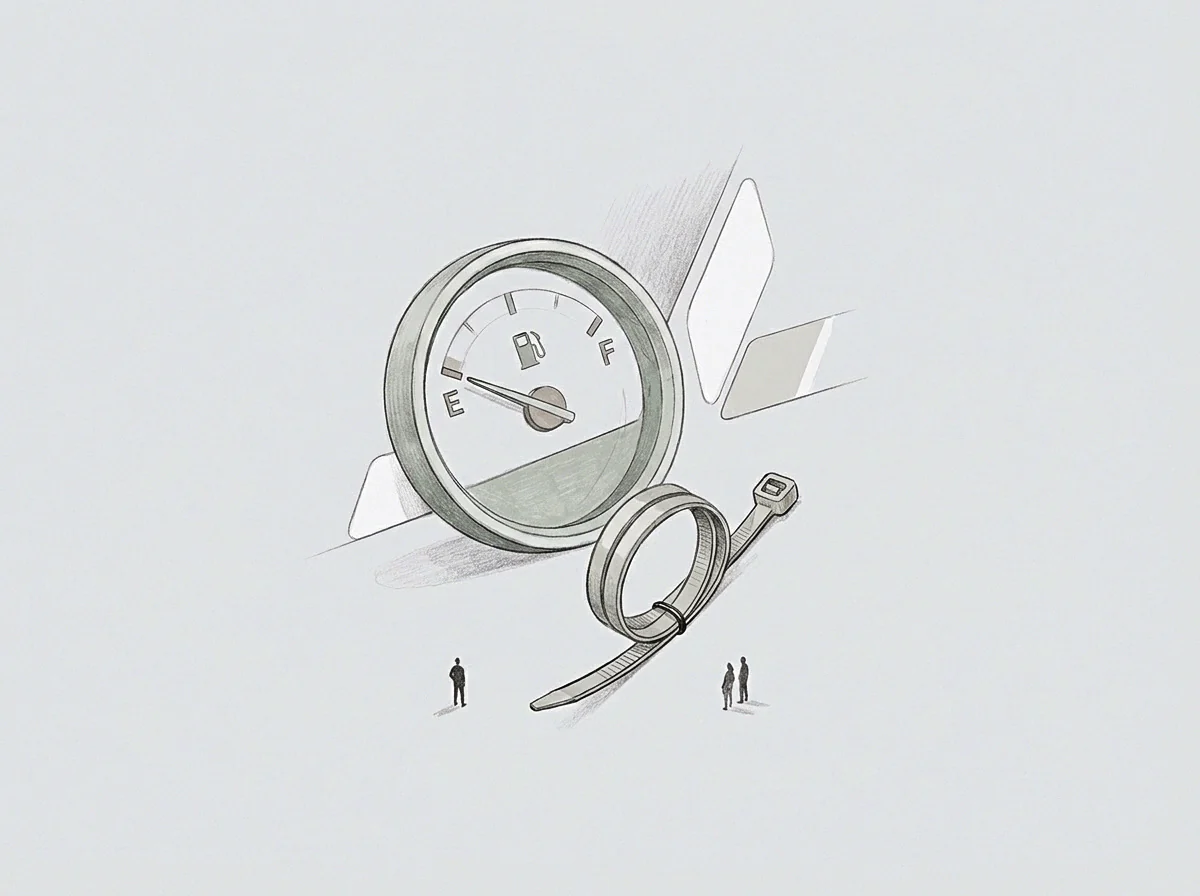
Widening gap between the existing capabilities of a person and the new demands of their evolving role. This skill divergence occurs as a company grows or changes its primary focus, leaving the original skill set behind. It provides an ordinal measure of how much learning or delegation is required to stay effective.
The process is continuous and only stops if the role becomes static. Recognizing this delta allows the individual to adapt before their performance declines.
Capability Drift
Success often leads to a change in the nature of the work. For a founder, skill divergence might mean moving from technical creation to organizational management. If the individual does not acquire new competencies, they become a bottleneck for the organization.
Functional Gap
Measurement of the distance between what is needed and what is available informs the hiring strategy. When skill divergence is recognized early, the person can choose to train or to bring in new talent. Ignoring the gap leads to operational failure and personal frustration.
Evolution Demand
Growth requires a constant adaptation of the human elements within the company. The presence of skill divergence acts as a signal that the current phase of the company has ended. Meeting this demand ensures that the leadership remains relevant as the environment shifts.
It is the mechanism by which the organization matures.