Meaning
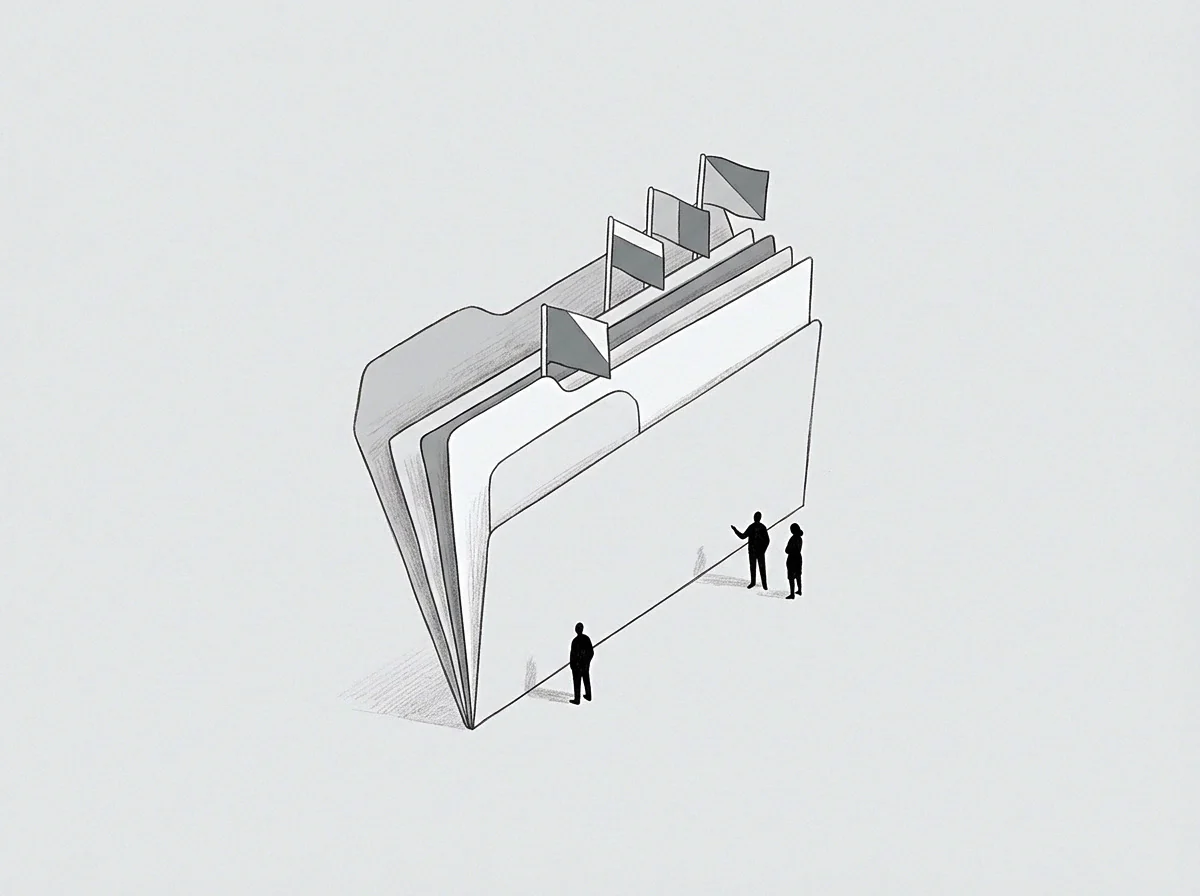
Fixed capacity constraints within an operational architecture define a structural bottleneck. Such limitations restrict the maximum throughput of a system regardless of increases in inputs or demand. These points of congestion emerge when the design of a process possesses a fixed element with lower capacity than the surrounding stages.
Total output speed remains tethered to the rate of the slowest component rather than the fastest one.
Constraint Analysis
Identification of this condition involves mapping the throughput of every stage in a production sequence. Data points represent the output per hour of each discrete phase. Discrepancies between these figures highlight the precise location where flow slows to a halt.
Planners isolate the area by comparing average output capacity against actual sustained delivery volume.
Flow Mechanism
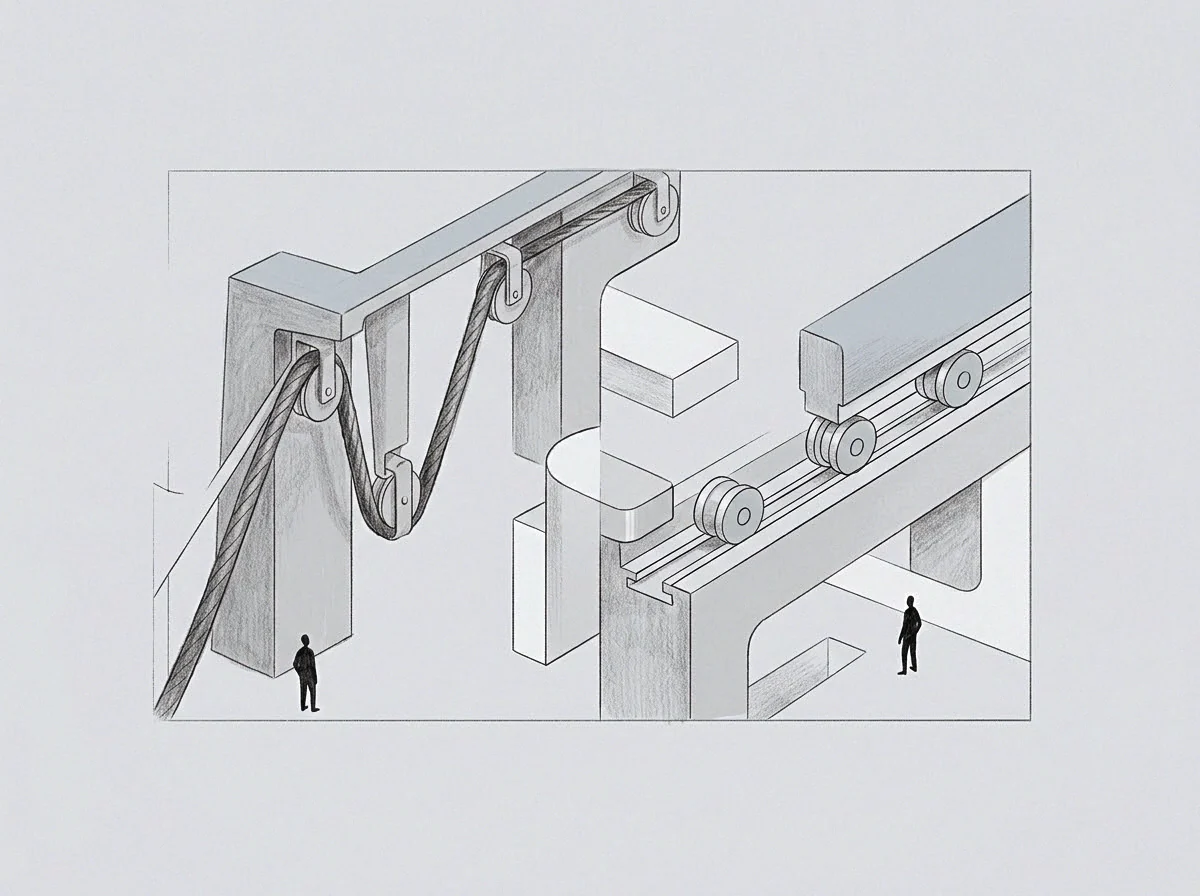
Velocity changes whenever a preceding step feeds material faster than a down-stream node can process the batch. Backlogs develop behind the restricted node as the system forces work to accumulate in a buffer. Relief requires rebalancing the workload distribution across the entire architecture or increasing the capacity of the specific point causing the delay.
Capital expenditures directed toward non-restricted nodes fail to improve the overall speed of the system.
Metric Threshold
Capacity utilization serves as the primary scale for evaluating the performance of the system against this limit. A reading approaching maximum capacity at a specific node indicates the presence of a restriction if other stages remain idle. Decisions regarding resource allocation rely on whether the node operates as a temporary surge or a permanent design flaw.
The system fails to gain velocity if the constraint remains in place while the rest of the chain runs with excess overhead.