Meaning
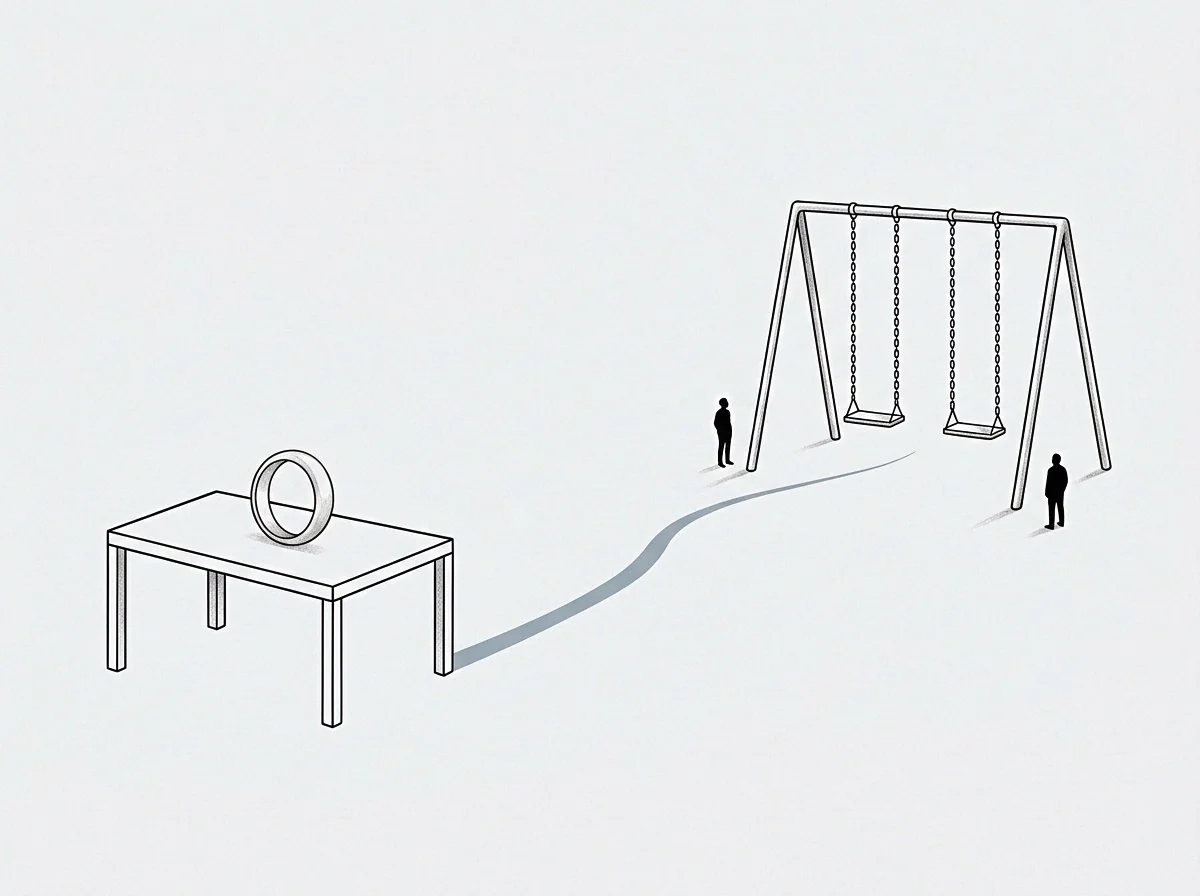
Organizational filters belong to a category of mechanisms that slow down the transmission of external signals to the decision makers. This structural dampening acts as a filter that removes both the noise and the urgency from market feedback. It is a measurement of the time and fidelity lost as information moves through different layers of management.
The concept stops being relevant when the organization is so small that communication is immediate or so large that it relies on automated data feeds.
Signal Loss
Essential information from the front lines often disappears as it moves upward. When structural dampening is high, the founders receive a sanitized and delayed version of reality. This mechanism is intended to provide stability but often results in a dangerous lack of awareness.
It is measured by comparing the original customer complaint with the final report that reaches the executive office.
Response Delay
Slow organizations cannot pivot fast enough to meet changing conditions. Because the dampening effect slows down both incoming information and outgoing commands, the company enters a state of sluggishness. This delay is a cardinal cost that can be calculated in lost market share or increased churn.
A leader must actively work to bypass the dampening layers to maintain a direct connection with the reality of the business.
Systemic Inertia
Optimal operation depends on a balance where dampening prevents panic without preventing progress. Stability is the benefit, but rigidity is the price.